

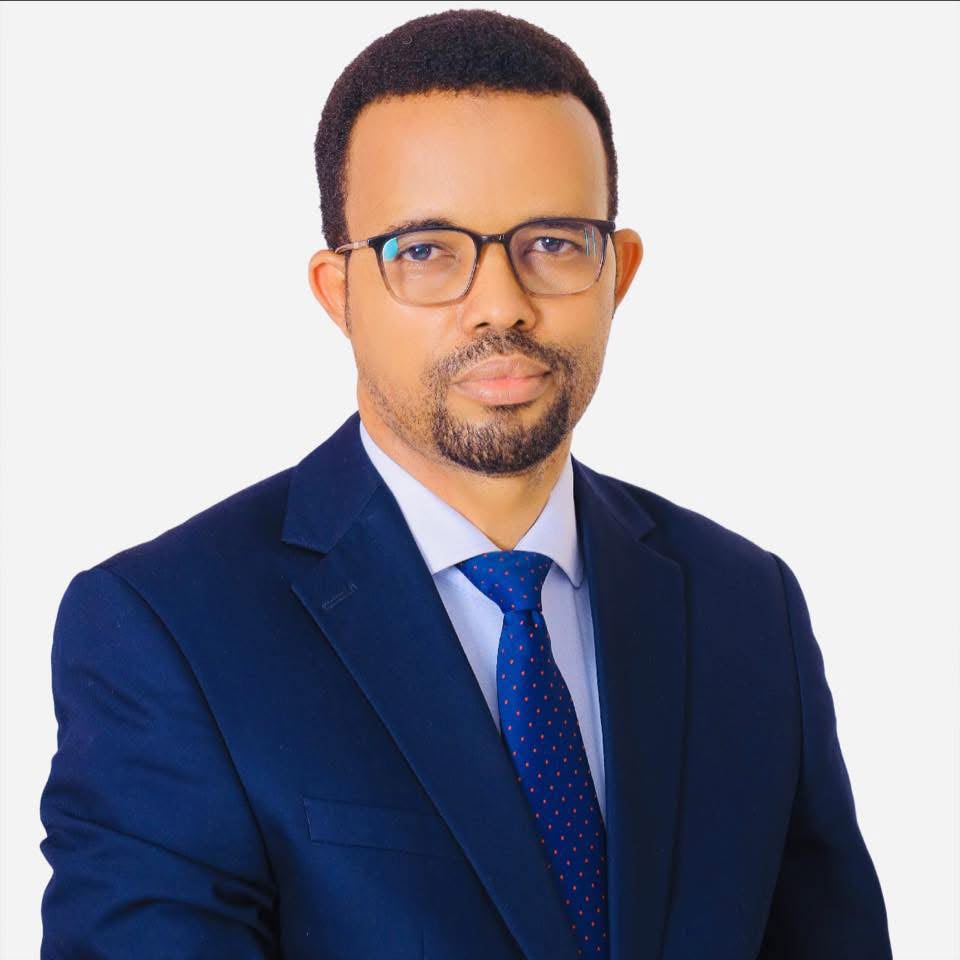
By Adow Mohamed
I know this unfortunate culture is not unique to Wajir. Yet it is in the county that one of the most striking contradictions in our politics is on full display. People passionately demand better roads, functioning hospitals, quality schools, reliable water supplies and meaningful employment opportunities. Every election cycle, development dominates public discourse. Residents lament poor infrastructure, inadequate healthcare, widespread youth unemployment and the county’s persistent marginalisation.
Yet, paradoxically, the very same society often discourages the honest, competent and well-meaning individuals who could help solve these problems from entering politics.
Mention that you intend to vie for an elective seat, and instead of receiving encouragement, you are more likely to be met with cautionary remarks such as: “Don’t spoil your good name.” “Politics is dirty.” “You are too decent for politics.” “Why would an honest person want to become a politician?” or even, “You will bring a curse upon your family.”
These are not harmless expressions of concern. They reveal a deeply rooted belief that politics is not regarded as a calling or a platform for public service, but as a marketplace where only the morally flexible can survive.
It is almost as though dishonesty has become an unofficial qualification for public office. Politics is increasingly perceived as a profession that rewards those with an insatiable appetite for public resources, individuals who see public office not as a trust to be safeguarded, but as an opportunity for personal enrichment. In such an environment, integrity is viewed as a liability rather than an asset.
Over the years, politics has gradually evolved from a vocation into an enterprise. Elections have become extraordinarily expensive. Clan negotiations, campaign logistics, endless fundraising, patronage networks and vote mobilisation require enormous financial resources. Consequently, many voters unconsciously assume that only those with deep pockets, regardless of how that wealth was acquired are capable of competing successfully.
Ironically, wealth itself is often mistaken for competence. Candidates with questionable records are celebrated as “resourceful,” while honest professionals are dismissed as politically naïve simply because they refuse to engage in bribery, vote-buying or extravagant handouts.
This creates a dangerous and self-perpetuating cycle. Ethical individuals hesitate to contest elections because they fear character assassination, financial ruin or being pressured into practices that compromise their principles. Their absence leaves the political arena increasingly occupied by the least competent, those willing to manipulate clan loyalties, exploit ethnic divisions and deploy illicit money.
The electorate then complains that elected leaders are inaccessible, ineffective and detached from the people. In marketplaces and tea joints, politicians are routinely criticised for being absent, arrogant and out of touch. Yet when the next election arrives, many reward the very same behaviours they condemned throughout the previous term.
Equally troubling is the culture of personality over policy. Political contests frequently revolve around which clan a candidate belongs to, the size of their entourage or the amount of money they can distribute, rather than the strength of their ideas or their capacity to deliver meaningful development. Elections become contests of influence instead of contests of vision.
The outcome is entirely predictable. Public office becomes an investment to be recovered rather than a responsibility to be fulfilled. Leaders who spend enormous sums securing office naturally seek returns once elected. Public resources become instruments of political repayment, while development is relegated to a secondary concern.
Perhaps the greatest tragedy is that communities inadvertently discourage precisely the kind of leadership they desperately need. Teachers, doctors, engineers, lawyers, academics, entrepreneurs and development professionals are routinely advised to stay away from politics because it is supposedly “dirty.” Yet these are the very people whose expertise, discipline and experience could strengthen institutions, improve governance and transform public service.
No society can consistently push its finest minds away from politics and still expect exceptional leadership. When decent, capable citizens are made to believe that politics is beneath them, they leave the field to those who have no reservations about abusing power.
If Wajir genuinely seeks transformation, it must first redefine its understanding of politics. Politics should not be viewed as a refuge for the controversial, a playground for the wealthy or a career reserved for the morally compromised. It must once again become an honourable avenue through which citizens serve their communities.
Communities must stop asking, “How much money does this candidate have?” and begin asking more important questions: “What ideas does this person bring?” “What integrity have they demonstrated throughout their life?” “What problems have they solved before asking to solve ours?”
Development is not delivered by the loudest campaign slogans, the biggest motorcades or the largest campaign war chests. Nor does it come from complaining every five years after elections. It comes when citizens consistently reward competence over cash, integrity over influence, ideas over identity, and vision over vanity.
Ultimately, the quality of leadership a society receives is rarely accidental. It is a reflection of the standards that society chooses to uphold.
Until Wajir makes politics respectable enough for its finest citizens to participate and electable enough for integrity to matter, it will continue demanding development while empowering the very system that keeps development perpetually out of reach.
The views and opinions expressed in this article are solely those of the author and do not necessarily reflect the editorial position of Wajir Today. The article is intended to contribute to public debate and inclusive discourse. Any reference to individuals or events are made in good faith and in the public interest.
To contribute articles to Wajir Today send your opinion ideas to newsroom@wajirtoday.co.ke


