

By Staff Writer
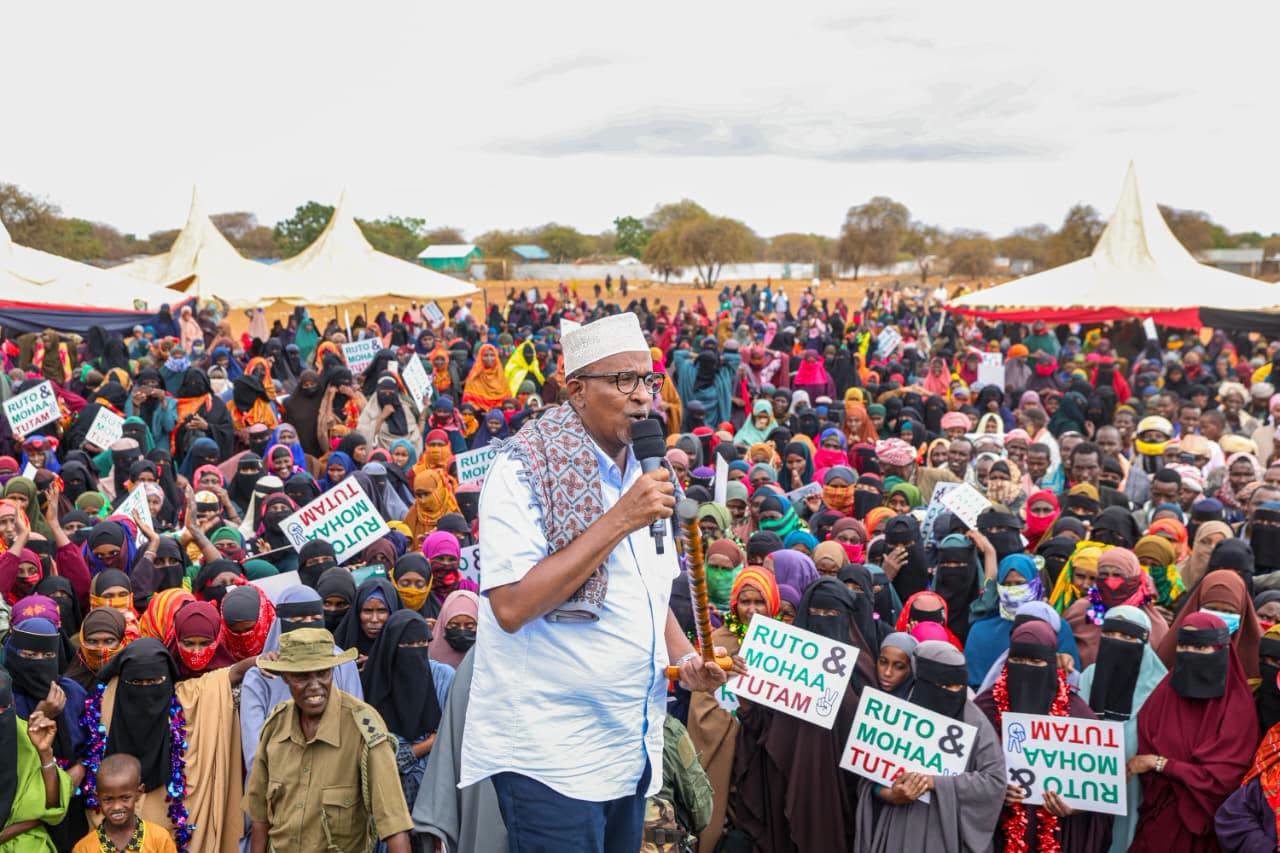
NAIROBI, Kenya — Health Cabinet Secretary Aden Duale has denied allegations that remarks he made during a public event in Lafey Constituency amounted to ethnic incitement, saying his comments were taken out of context and misrepresented.
In a statement posted on his official social media accounts, Duale said he had been “widely misquoted” following the circulation of comments he made in Lafey, adding that the interpretation of his remarks had created what he described as “false and misleading narratives.”
The statement came after criticism over Duale’s speech, which some interpreted as targeting a particular community.
Duale rejected the interpretation, saying a phrase he used during the public event was a common expression in Somali culture rather than a reference to any ethnic group.
“I have been widely misquoted and my remarks delivered in Lafey Constituency have been taken out of context to advance false and misleading narratives,” Duale said in the statement.
He explained that the proverb, “Waraabe la-tagis bartay, ka-ridis waa ku dhib,” has long been part of Somali oral tradition and is used figuratively to describe the difficulty of breaking established habits or relinquishing long-held advantages.
“The phrase I used is a well-known Somali proverb that has long been part of our oral tradition,” Duale said. “It is a figurative expression about the difficulty of ending entrenched habits or long-enjoyed advantages. It was never directed at any community or intended to demean anyone.”
According to the statement, Duale said the central message of his address focused on inclusivity in public service, arguing that the government was working to ensure equal opportunities for all Kenyans regardless of their region or ethnicity.
“My message was about the importance of embracing inclusivity as the Government continues to ensure that all Kenyans, regardless of their region or ethnicity, have an opportunity to serve the nation,” he said.
Duale also dismissed accusations that his remarks amounted to ethnic incitement, describing such claims as a deliberate misrepresentation of his speech.
“Attempts to portray my remarks as ethnic incitement are therefore dishonest and a deliberate distortion of what I said,” he said.
The Cabinet secretary further criticised what he called selective condemnation by some public figures, arguing that similar reactions had not been seen when inflammatory statements were previously made against the Somali community.
“I also find it regrettable that some of those now expressing outrage remained silent when inflammatory remarks targeting the Somali community were made in the past,” Duale said. “Public leaders should reject selective outrage and apply the same standards consistently.”
The statement did not identify the specific comments or individuals he believes misrepresented his remarks, nor did it specify which earlier statements targeting the Somali community he was referring to.
The controversy highlights the heightened scrutiny of political rhetoric in Kenya, where public officials’ remarks on ethnic and regional issues often attract significant public attention.


