
By Abdullahi Jamaa
For years, conversations about female genital mutilation (FGM) in Wajir have often ended where they began.
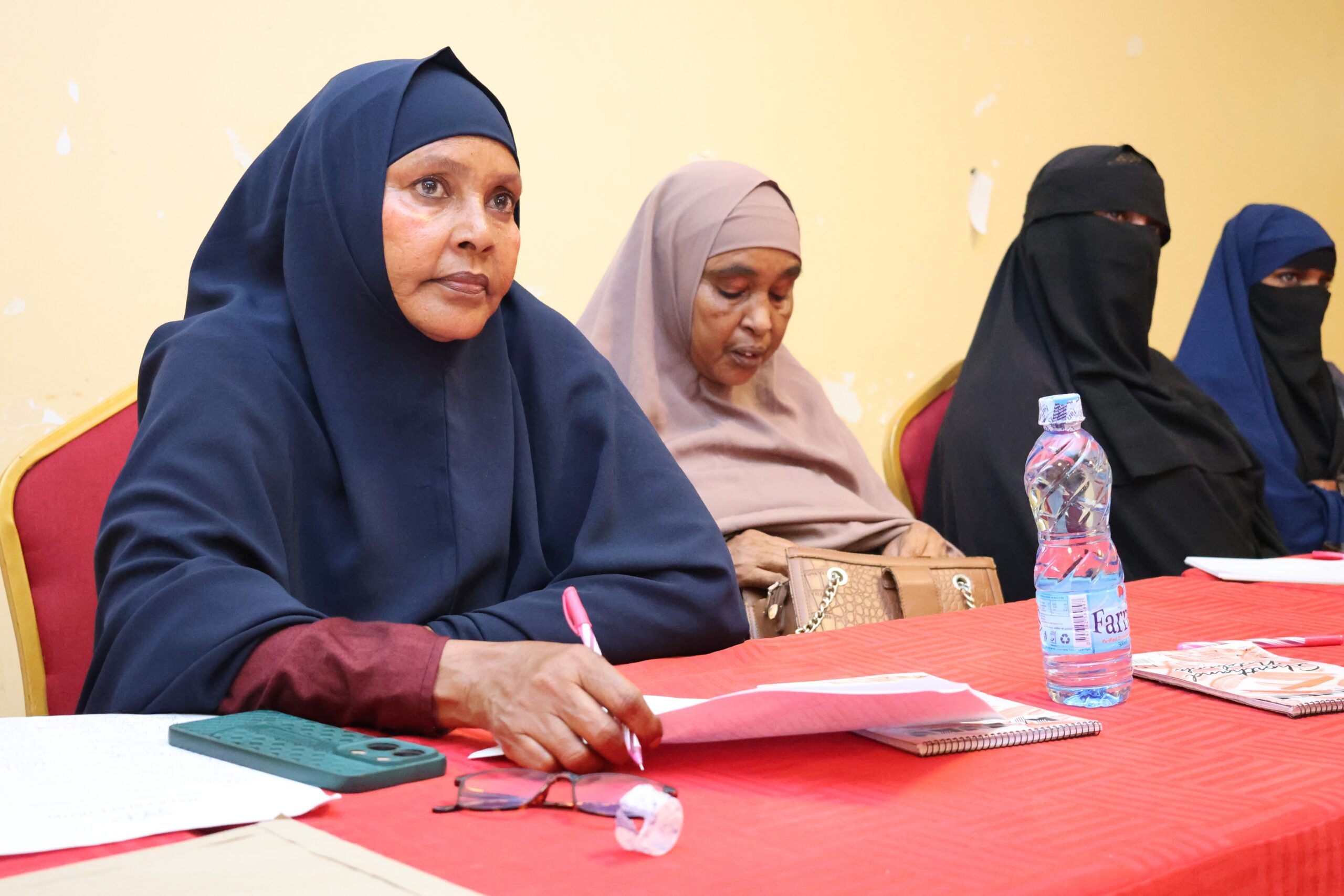
Inside a meeting hall this week, county officials, religious leaders, youth activists and women’s organisations sat around the table, not to argue whether girls suffer from FGM, but to confront what many described as the biggest obstacle to ending it.
Once again, the discussion returned to the difficult question of whether Islam provides a clear and unequivocal ruling on FGM.
“We decided to call the sheikhs, engage them, discuss what the religion says about FGM and how we can tackle this issue together from one front,” said Ubah Adan, Wajir County’s Director of Gender and Social Services. “We had a fruitful discussion.”
For a county where FGM remains widespread despite decades of awareness campaigns, simply bringing everyone into the conversation and more importantly the religious leaders were seen as a significant step.
The dialogue formed part of the Future4Binti programme, a five-year regional initiative funded by the Embassy of the Kingdom of the Netherlands and implemented by Amref Health Africa.
The programme is being rolled out in ten Kenyan counties, including Wajir, alongside Ethiopia and Somalia, with the aim of protecting girls from FGM and child marriage while promoting education, health and gender equality.
The discussions come at a time when Kenya has made significant progress nationally in reducing FGM over the past two decades. Yet Wajir remains among the counties with the highest prevalence in the country.
“In Wajir the prevalence is 97%,” Ubah said. “We have always been fighting FGM. We have had so many campaigns against it.”
She recalled years of community meetings, public awareness forums and engagement with local leaders stretching back to the early 1990s. Yet the numbers have barely shifted.
“As a department we have done so many sensitisation forums for the community on how we can end FGM in Wajir County,” she said. “But we are at 97% because mostly FGM is linked to religion. Because of that there has always been a challenge.”
Much of the current debate centers on what is known as “sunnah” an Islamic terminology that refers to a religiously acceptable form of cutting.
Campaigners argue that this conversation has become the new frontier after years spent discouraging more severe forms of FGM.
“We are now discussing the sunnah,” Ubah said. “There are those who still believe it’s a sunnah and we can do away with it. There are those who believe it is a strong sunnah, so we have to do it.”
She believes the willingness to discuss those differences openly represents cautious but important progress.
“I see light at the end of the tunnel,” she said. “At least now we are able to come together, talk, discuss and see how harmful FGM is and how it is affecting us negatively.”
Even so, she remains realistic about the pace of change.
“This is a five-year programme,” she said. “If by the end of it we can reduce prevalence that will be progress.”
Sunnah
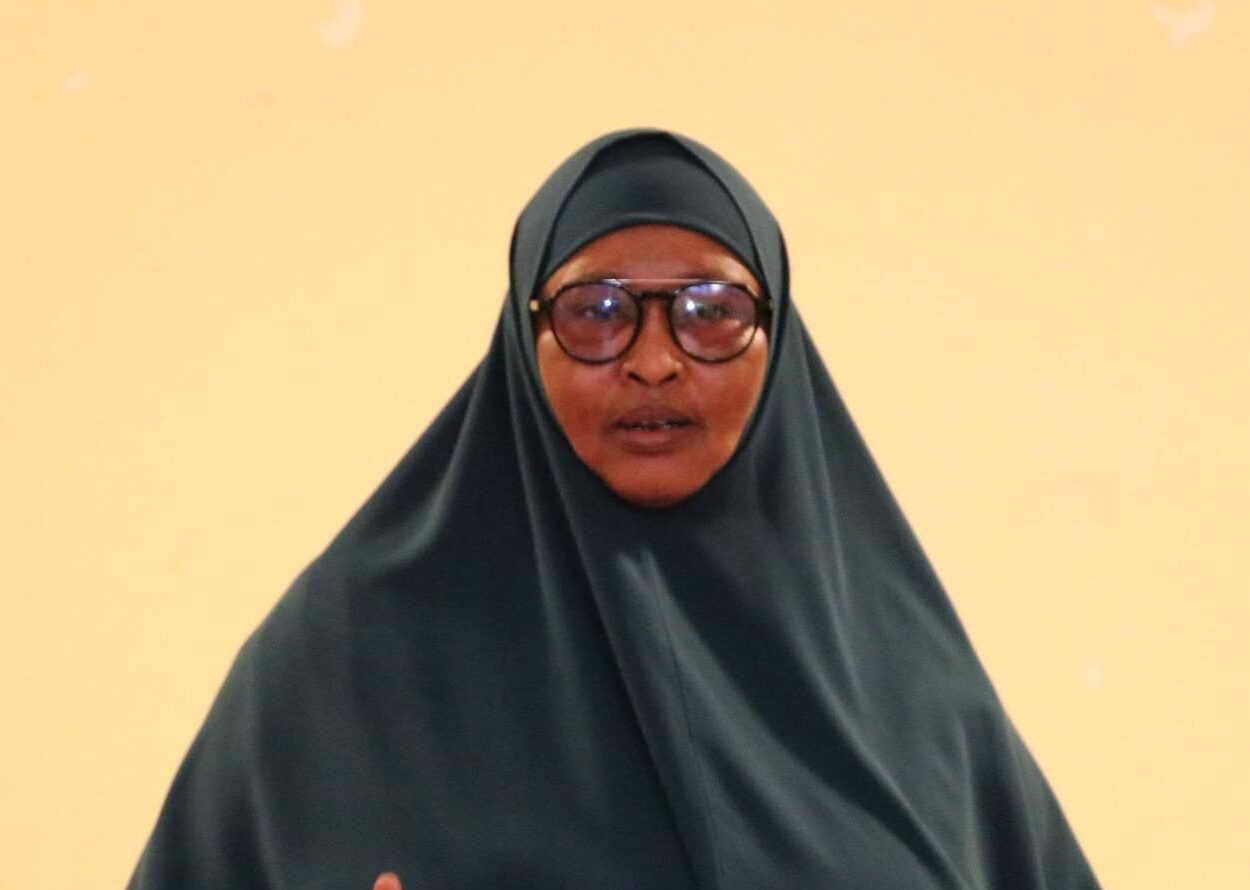
Among those welcoming the dialogue was Halima Bochola, founder of the Pastoralist Women Network Initiative (PAWONI), an organisation that has campaigned against FGM in Wajir for years.
She described the meeting as one of the most consultative discussions she had attended, bringing together religious scholars, women’s groups, youths and other stakeholders to examine the relationship between Islamic teachings and FGM.
According to Halima, many of the participating scholars agreed that the more severe forms of FGM have no place in Islam.
“The sheikhs actually reiterated that according to Islamic Sharia, female genital mutilation is haram,” she said. “It is not allowed completely.”
However, she acknowledged that differences remained over “sunnah” form of girls’ circumcision with some religious leaders saying girls could remain uncut while others argued that a minor cut should still be performed.
“They requested more time for them to come together and agree on the way forward,” Halima said. “So, we have given them the time and we are waiting for their conclusion.”
While disagreement persists over religious interpretation, Halima said participants reached a clear consensus on the health consequences faced by girls and women.
“We have actually agreed together with the scholars on the negative impact female genital mutilation has on our girls,” she said.
She listed severe bleeding, infections, prolonged pain, childbirth complications and psychological trauma among the consequences discussed during the meeting.
“Starting from the cut, the girl can bleed so much and it can even lead to death,” she said. “When she becomes pregnant there can be prolonged labour leading to fistula and so many complications.”
For Halima, acknowledging those harms together marked an important moment.
“We have agreed with our sheikhs that we have to save our girls and stop this menace because it has no strong religious base.”
Role of youth
If religious leaders are central to changing perceptions, many participants believe young people will ultimately determine whether attitudes shift inside families.
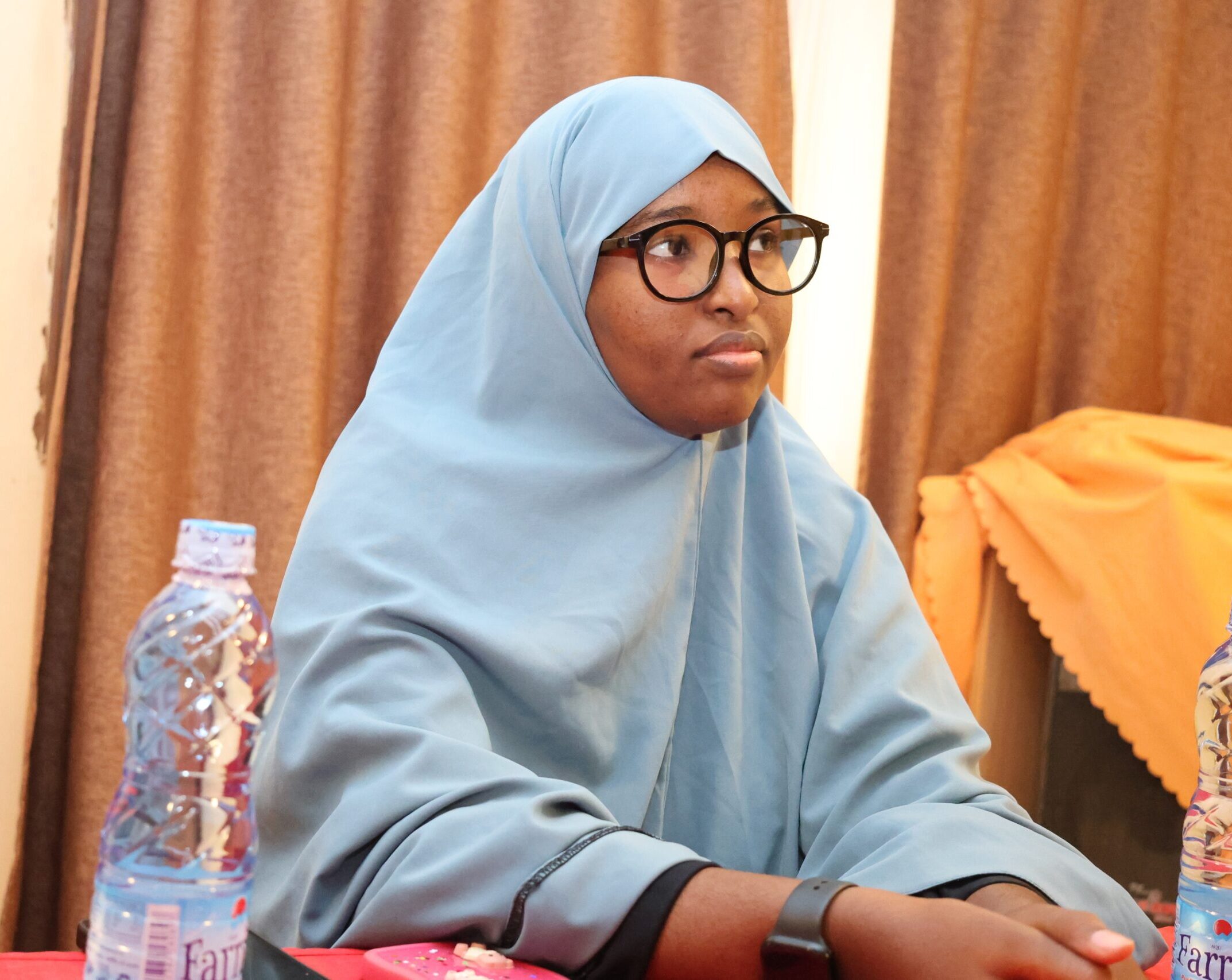
Nimoress Mohammed, a youth advocate with the Youth Anti-FGM Network Kenya, believes her generation carries a unique responsibility because many young women have experienced FGM themselves.
“Most of us are victims,” she said. “Our main target is that after this training, this thing should end. It should not continue with the next generation.”
She said discussions during the forum reinforced what many young people had already begun questioning.
“In our culture we have an attitude that this thing is related to religion,” she said. “Yesterday when we had the sheikhs with us, they said that this thing is not related to religion at all.”
For Nimoress, the issue extends beyond tradition.
“I think it’s all about mindset,” she said. “People are following the footsteps of what others have done and they are using religion as an escape.”
After the training, she hopes participants will return to their villages prepared to begin difficult conversations with various community members.
“If we have any case concerning FGM, we talk to those cutters and tell them the harmful practices it is causing the girl child,” she said.
She has also written about the issue in a forthcoming book focusing on girls’ rights.
“I want all the youth to come together and use the knowledge they have gained from this training to teach the elders at home.”
Another participant, Daud Kassim, said the youth forum reflected a growing willingness among young people to challenge practices they believe are harming girls.
“So many youths participated,” he said. “We discussed about how to end harmful social practices like FGM and early marriage.”
Many participants, he noted, came from families where the practice had directly affected relatives or neighbours.
“We all discussed how this social hazard is affecting our people, especially our girls,” he said.
Education, he believes, is becoming one of the strongest tools for change.
“Our mothers who are practising this harmful social practice are actually not literate,” he said. “As educated young people, we want to return to our homes and sensitise our communities on how harmful it is.”
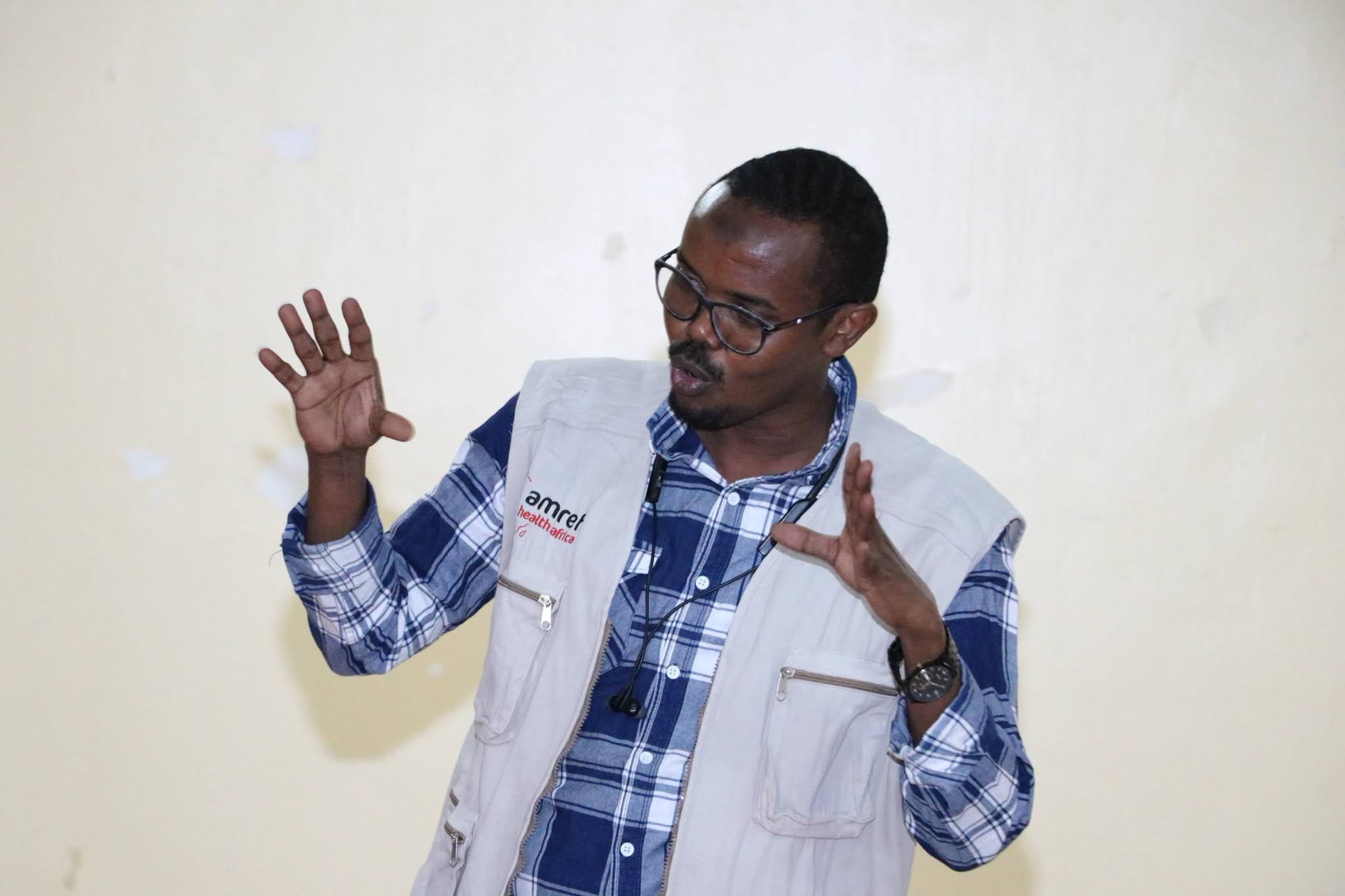
Future4Binti programme
Kenya outlawed FGM through the Prohibition of Female Genital Mutilation Act in 2011, making all forms of the practice illegal.
Yet campaigners say its enforcement has not eliminated it, particularly among the Somali community where social expectations, marriage prospects and religious beliefs continue to shape decisions made within families.
That is why organisers of the Future4Binti programme say community dialogue remains essential.
Amref Health Africa County Implementation Officer Mr. Abdiaziz Ibrahim said the programme aims to build lasting social change rather than relying on one-off awareness campaigns.
“The Future4Binti Programme is expected to contribute significantly toward strengthening community resilience and promoting social transformation through Increased protection of girls and young women from FGM and child marriage practices.” Notes Mr. Ibrahim
Over the next five years, local institutions, community structures and leaders will work together to challenge harmful practices while promoting positive social norms and stronger accountability.
“The Future4Binti Programme reflects a shared vision and commitment among partners and stakeholders to create safer, healthier, and more inclusive communities where every girl has the opportunity to thrive free from harmful practices and discrimination.” Added Mr. Ibrahim
After a multiday anti-FGM crusade in Wajir spearheaded by Amref Health Africa, there were no declarations of victory.
What emerged was a shared recognition that ending FGM in Wajir and elsewhere in Northeastern region will require honest conversations that members of the Somali community long avoided.


