
By our reporter
Mandera East Member of Parliament Hussien Weytan on Sunday welcomed President William Ruto’s proposal to formally integrate Madrasa and Duksi education into Kenya’s national education framework, describing the move as a major step toward expanding access to learning for children in marginalized communities.
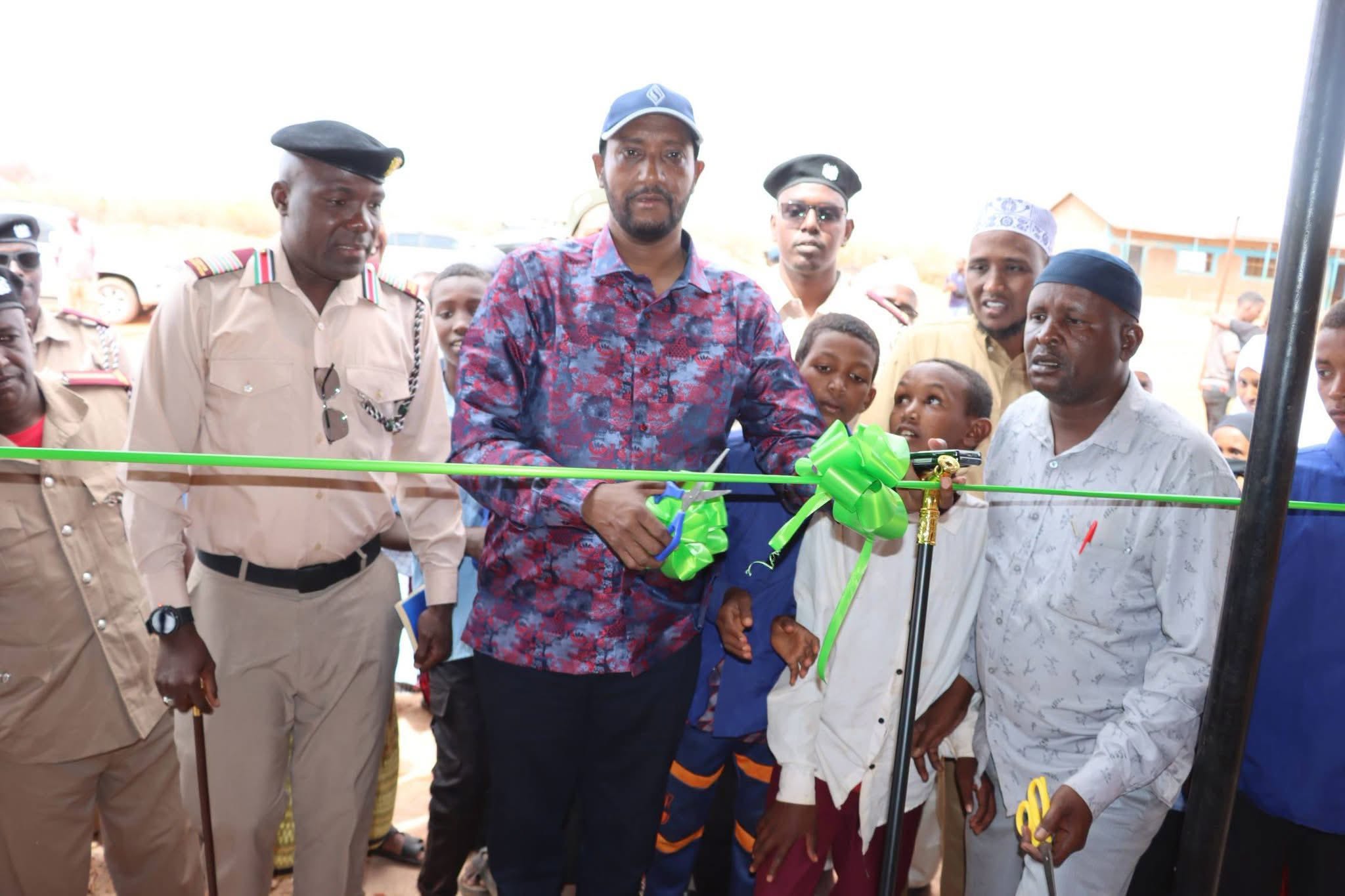
Speaking during a public event in Hareri Hosle settlement in Mandera County, Weytan praised Ruto’s announcement made during the 63rd Madaraka Day celebrations in Wajir, saying it would help address longstanding barriers that have left many children outside the formal education system.
According to remarks shared by the legislator, the president directed Education Cabinet Secretary Julius Ogamba to engage stakeholders and undertake consultations under the Basic Education Act to facilitate the recognition of alternative learning pathways.
“The President rightly observed that many children in Northern Kenya and other underserved regions remain outside the formal education system because these learning pathways have not been adequately recognized and accommodated within our education framework,” Weytan said.
He added that the directive demonstrated the president’s commitment to inclusive education and equal opportunities for all children.
“I wish to sincerely commend and thank His Excellency President Dr William Samoei Ruto for his historic and visionary announcement during the 63rd Madaraka Day celebrations in Wajir regarding the formal integration of Madrasa and Duksi into Kenya’s national education framework,” Weytan said.
The lawmaker said the move would benefit communities in Northern Kenya, Muslims across the country and other marginalized groups whose children have historically relied on alternative forms of learning that are not formally recognized within the education system.
“On behalf of the people of Northern Kenya, the Muslim community, and all those who have long advocated for this recognition, I extend my heartfelt appreciation to President William Ruto for this bold and transformative step towards educational inclusion, equity, and social justice,” he said.
President Ruto announced the initiative during Madaraka Day celebrations held in Wajir on June 1, where he said the government would seek ways to incorporate Madrasa and Duksi learning into the country’s education framework. Details on how the integration would be implemented, including timelines and curriculum arrangements, have not yet been made public.
Madrasa and Duksi institutions provide Islamic and Quranic education and are widely attended in predominantly Muslim regions, including Northern Kenya and the Coast. Advocates have long called for greater recognition of such institutions, arguing that their inclusion in the formal education system could help increase enrolment and reduce disparities in access to education.
If implemented, the proposal could mark a significant shift in Kenya’s education policy and potentially expand opportunities for children in underserved communities who have historically faced challenges accessing formal schooling.


