

By Abdullahi Jamaa
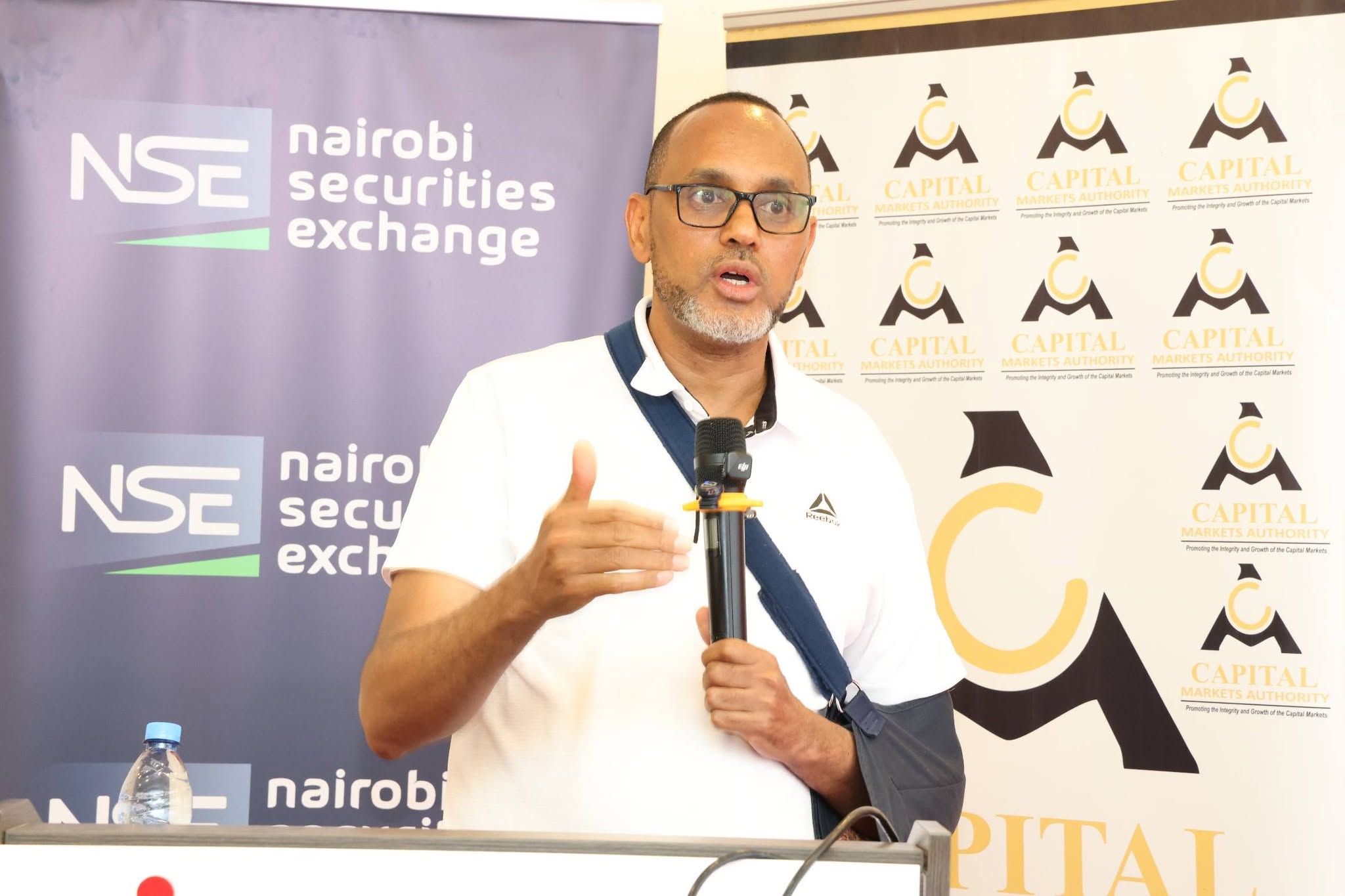
WAJIR, Kenya, June 30 — The Capital Markets Authority has launched a two-day investor education programme in Wajir County aimed at improving financial literacy and encouraging residents to explore investment opportunities beyond traditional assets such as livestock and land.
The forum, which began on Tuesday, brought together about 100 young people from across the county for training on savings, investing and capital markets, according to remarks by CMA Chairman Ugas Sheikh Mohammed. A second session is scheduled to train professionals and members of the business community.
“We’ve gathered here today to train members of the community in Wajir County on financial literacy and investment opportunities in the capital markets,” Mohammed said during the opening session. “Today we’re training about 100 youth drawn from across the county and tomorrow we’ll be training professionals and people in the business sector.”
The chairman said the programme is intended to expose residents to investment products that have had limited uptake in northern Kenya, including stocks, equities, money market funds and Sukuk, or Islamic financial instruments.
Representatives from the Nairobi Securities Exchange, investment firms and financial institutions also attended the forum to provide information on available investment products.
“Most of the people here are so used to traditional products and alternative investments like land, animals and physical products,” Mohammed said. “Now all of a sudden that moves to a global stage and national stage, where we’re talking about products such as stocks, equities, money market funds and other investment opportunities.”
He said many participants sought information on whether investment products complied with Islamic principles, reflecting the predominantly Muslim population in the region.
“Our key issue is to educate them on what these products are,” Mohammed said. “They are very much interested in Sharia-compliant products.”
The Chairman said financial sector regulators, including the Central Bank of Kenya, CMA and other agencies, have been advocating for a national policy framework to support Sharia-compliant financial products and improve financial inclusion.
He also encouraged participants to adopt long-term saving habits, arguing that disciplined investing could help build wealth over time.
Financial knowledge
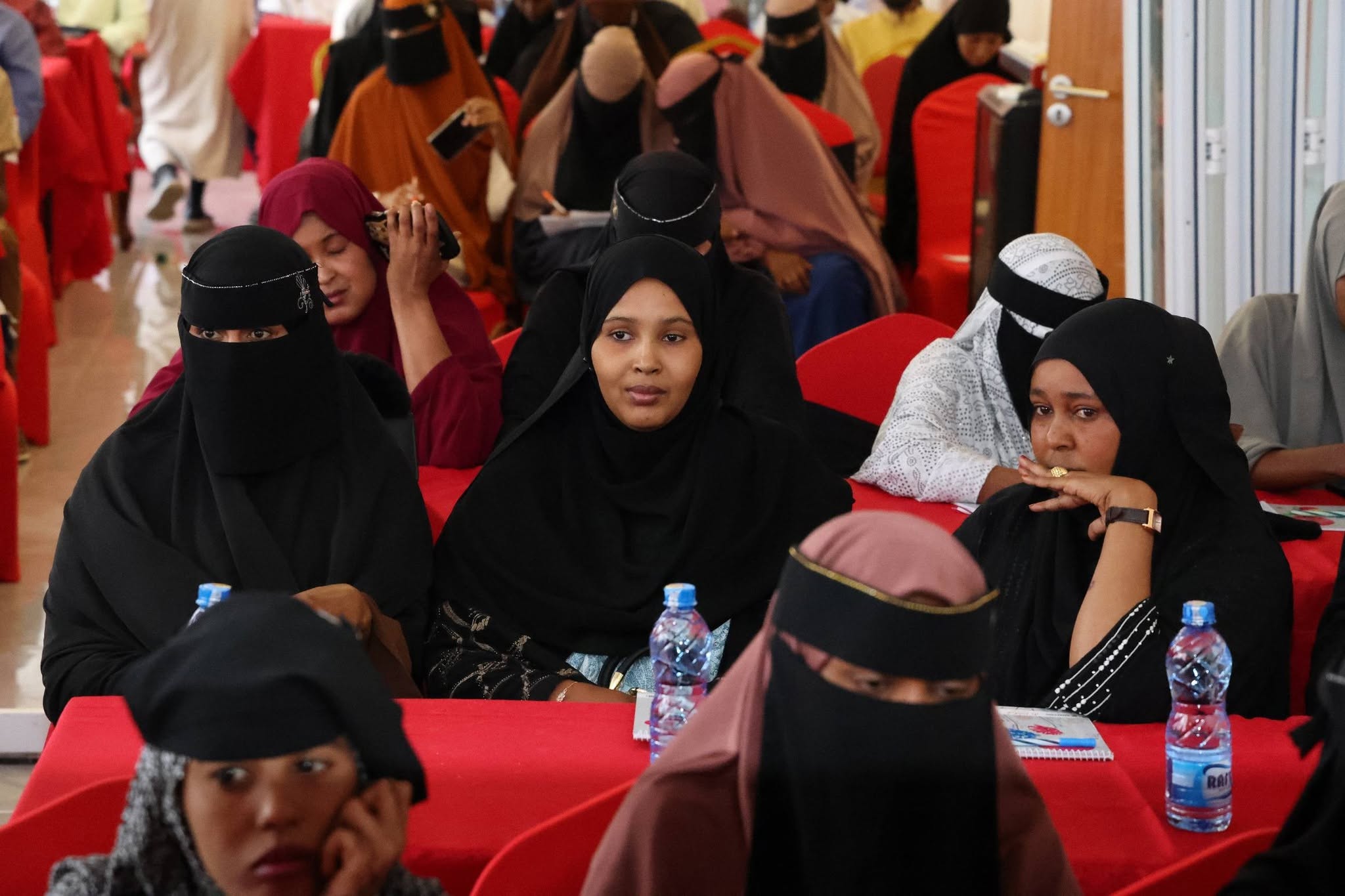
County officials welcomed the initiative, describing it as an opportunity to broaden financial knowledge among young people and entrepreneurs.
Khalif Abdi, County Executive Committee Member for the Office of the Governor, Public Service and County Administration, thanked President William Ruto for appointing Mohammed as CMA chairman and said the programme reflected growing national attention on Wajir.
“We used to buy livestock. Livestock perishes,” Abdi said. “Now there’s an opportunity for you to invest your money.”
Another county executive, Ahmed Wardere, urged participants to take advantage of the training, saying traditional expectations of securing white-collar employment were becoming less realistic.
“Jobs are currently diminishing and we need to invest, learn new skills and think about how we can initiate business at our level,” he said.
The CMA said investor education forms part of its broader mandate to regulate Kenya’s capital markets while expanding public participation in regulated financial products.
The Wajir programme is also intended to support wider financial inclusion efforts by increasing awareness of formal investment opportunities in a region where many households have historically relied on livestock trading and other traditional forms of wealth.


