

By Abdullahi Jamaa
For generations, land in Wajir has been understood less as an individual asset than as the foundation of a pastoral way of life.
It is where livestock graze, families move with the seasons and communities negotiate access to shared resources. Its value is measured not only in acreage, but in survival, identity and continuity.
Yet beneath that familiar system lies an increasingly urgent question: who has the power to make decisions about this land?
That question emerged sharply this week when the Kenya Land Alliance visited Wajir County for engagements with various members of the local communities.
The discussions focused on community land registration, land governance and the participation of women in decisions affecting land.
But the central concern was larger than registration itself.
It was about what happens when communities that have long regarded themselves as custodians of their land remain insufficiently informed about the legal rights that are supposed to protect them.
Faith Allube, a human rights lawyer and chief executive officer of the Kenya Land Alliance, said Wajir is among the counties where community land registration has made limited progress.
“Out of the six constituencies, we have interacted with communities in three. They have no idea that their lands have been gazetted,” Allube said.
That disconnect exposes one of the most consequential gaps in Wajir’s land question, the distance between what exists in law and what communities know and can practically exercise.
Kenya’s Constitution recognises community land as one of the country’s three land categories alongside public and private land. Article 63 provides that community land vests in communities identified on the basis of ethnicity, culture or similar community of interest. It also provides that unregistered community land is held in trust by county governments on behalf of the communities concerned.
The Community Land Act, enacted in 2016, provides the legal framework for communities to have their land recognised, adjudicated and registered. It requires the process of documenting, mapping and developing inventories of community land to be transparent, cost-effective and participatory.
But the law alone does not put a boundary on the ground. Nor does it automatically give a community the information, money or institutional capacity required to navigate the registration process.
The cost
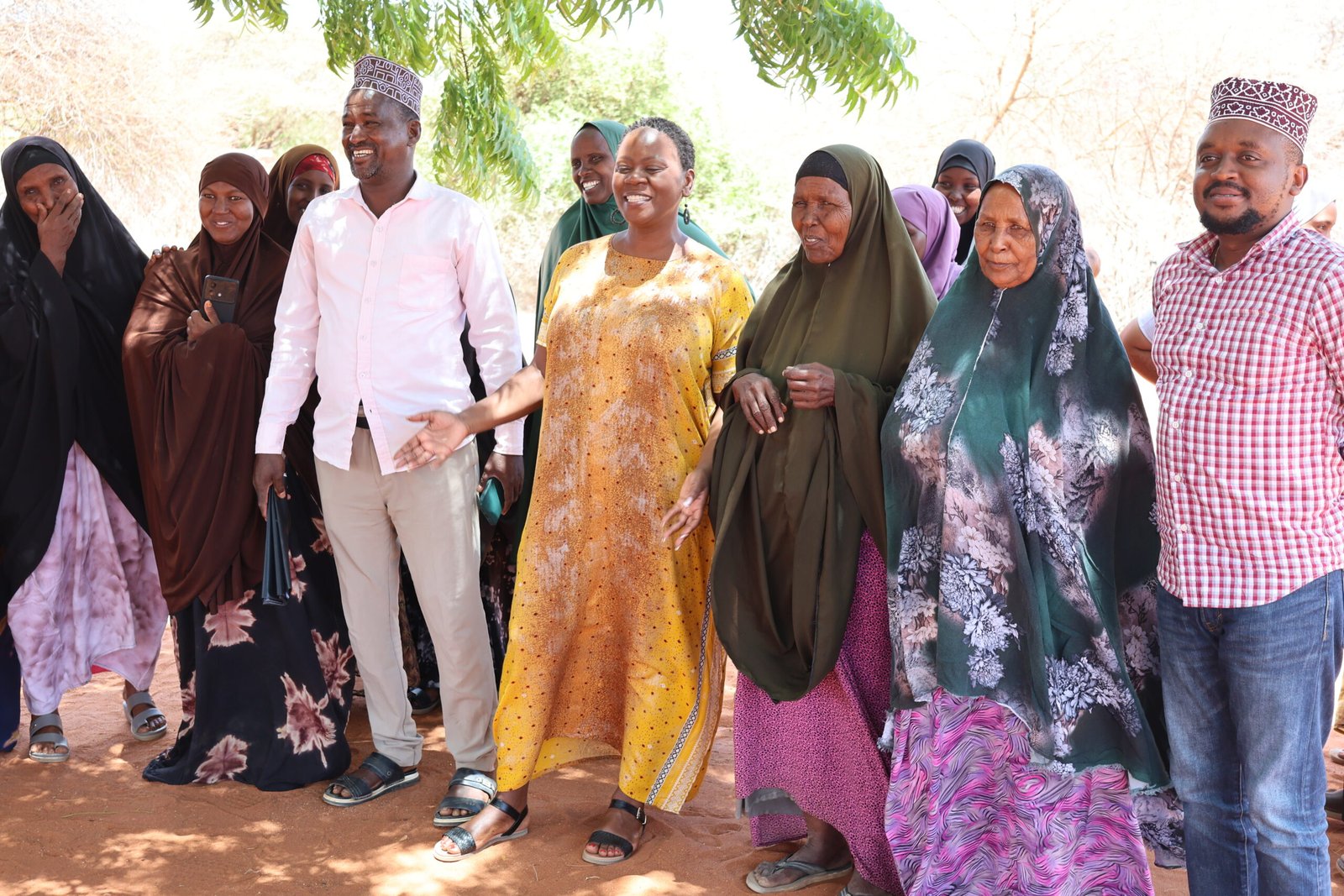
Allube said the registration process is resource-intensive. Communities may need to organise themselves, develop rules and regulations, participate in mapping and boundary processes and engage technical personnel such as surveyors.
For communities whose livelihoods depend on mobility and extensive grazing areas, the process can also appear distant from everyday realities.
That difficulty has historical roots.
Allube argued that pastoralist areas have long been affected by assumptions that nomadic communities cannot easily register land because of their mobile way of life.
A system designed around fixed individual parcels can struggle to accommodate communities whose economic survival depends on shared grazing areas, migration routes, water points and other common resources.
Yet registration under the Community Land Act is not intended to abolish pastoralism. Registration can therefore provide a formal structure for community ownership while allowing communities to continue managing their land according to their legally recognised systems and rules.
The question is not simply whether pastoral communities should abandon customary systems. It is whether those systems can be protected and strengthened within a formal legal framework.
The greatest vulnerability may arise when a community has a right in law but cannot effectively exercise it.
Allube warned that unregistered land creates uncertainty around who speaks for the community when outside interests emerge.
She said investors seeking land may find communities operating without the formal structures necessary to negotiate effectively.
“Mostly custodians of culture are in charge of negotiating, but they only negotiate to the extent of their knowledge,” she said.
Registration, she argued, can give communities a stronger institutional platform for negotiations involving investment, land use and natural resources.
The law already places significant responsibilities on county governments. Registration is not simply a question of protecting communities from outsiders. It is also about clarifying who has authority to make decisions, who must participate and how communities can hold institutions accountable.
The law requires public participation in the process leading to the survey, demarcation and registration of community land. The registration framework also provides for public notices and opportunities for people with interests or claims to lodge them.
This makes Allube’s concern over communities being unaware of developments especially significant.
If communities do not know what has been gazetted, they may struggle to participate meaningfully in subsequent processes.
Women’s role
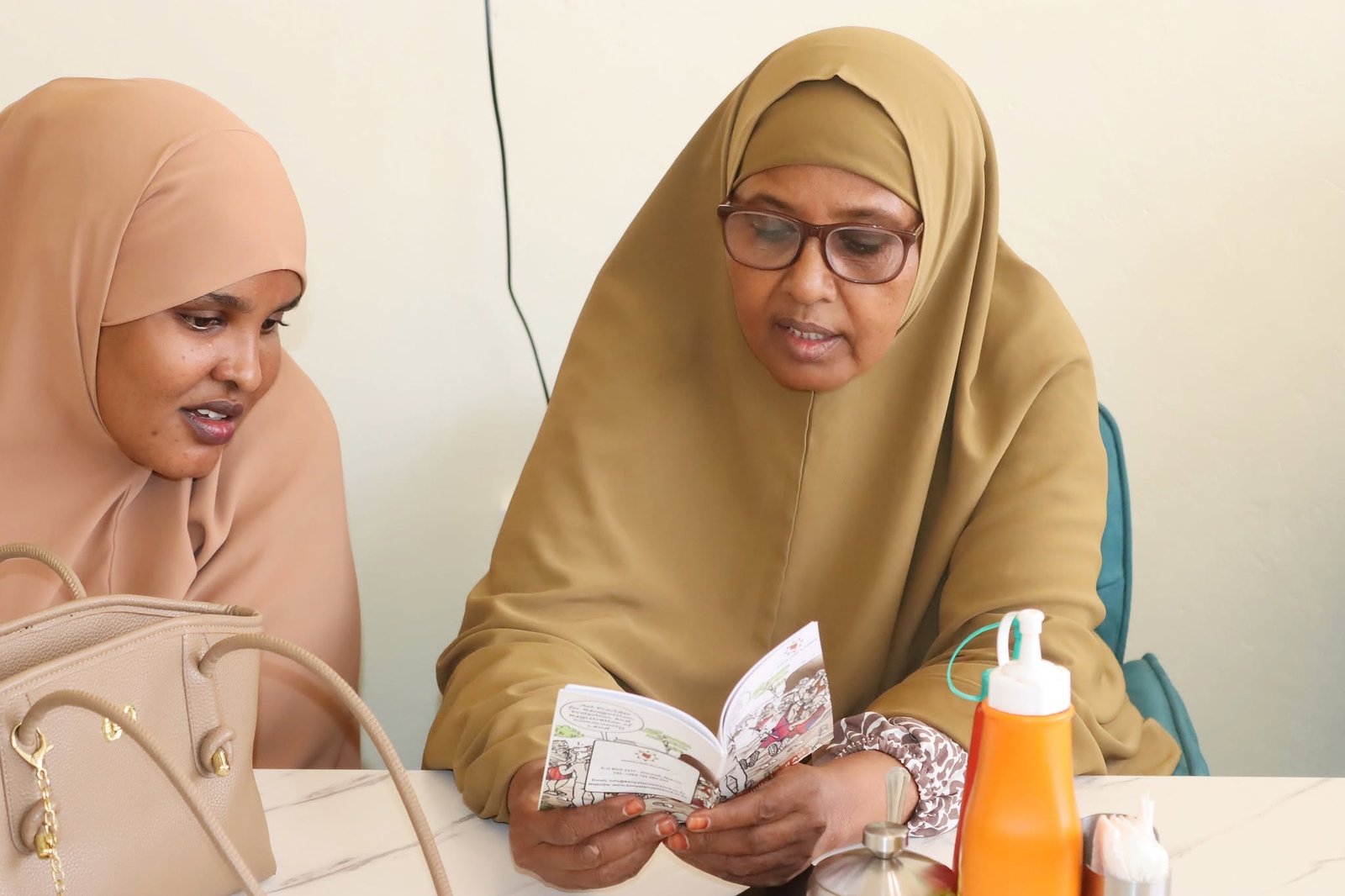
Fatuma Yussuf, a human rights defender representing the Wajir County Civil Society Consortium, said women remain insufficiently involved in land decisions despite being central members of the community.
“Women have to take part,” she said, arguing that women should not wait to be invited into land governance structures.
Yussuf linked land ownership to matrimonial property, economic security and gender-based violence, saying some women discover too late that property they believed they had a claim to has been registered in another person’s name.
She also pointed to financial dependence, limited awareness of property rights and cultural expectations as barriers. Her account highlights a contradiction at the heart of land governance.
Women may depend heavily on land for household security and livelihoods while remaining underrepresented in decisions about its ownership and management.
The Constitution itself requires land to be managed according to principles including equitable access, security of land rights and elimination of gender discrimination in law, customs and practices relating to land and property.
The Community Land Act also provides for a community assembly comprising adult members of a registered community. But formal inclusion does not automatically translate into influence. That is where civic education becomes critical.
Yussuf said continuous civic education is needed, particularly for women in rural areas. Radio, she suggested, could become an important tool because of its ability to reach communities beyond urban centres.
Land promises have historically carried enormous political weight, especially in areas where ownership, settlement and development are deeply intertwined.
Communities that do not understand the legal status of their land may become vulnerable to political claims or promises that have little connection to the actual legal process.
Registration process
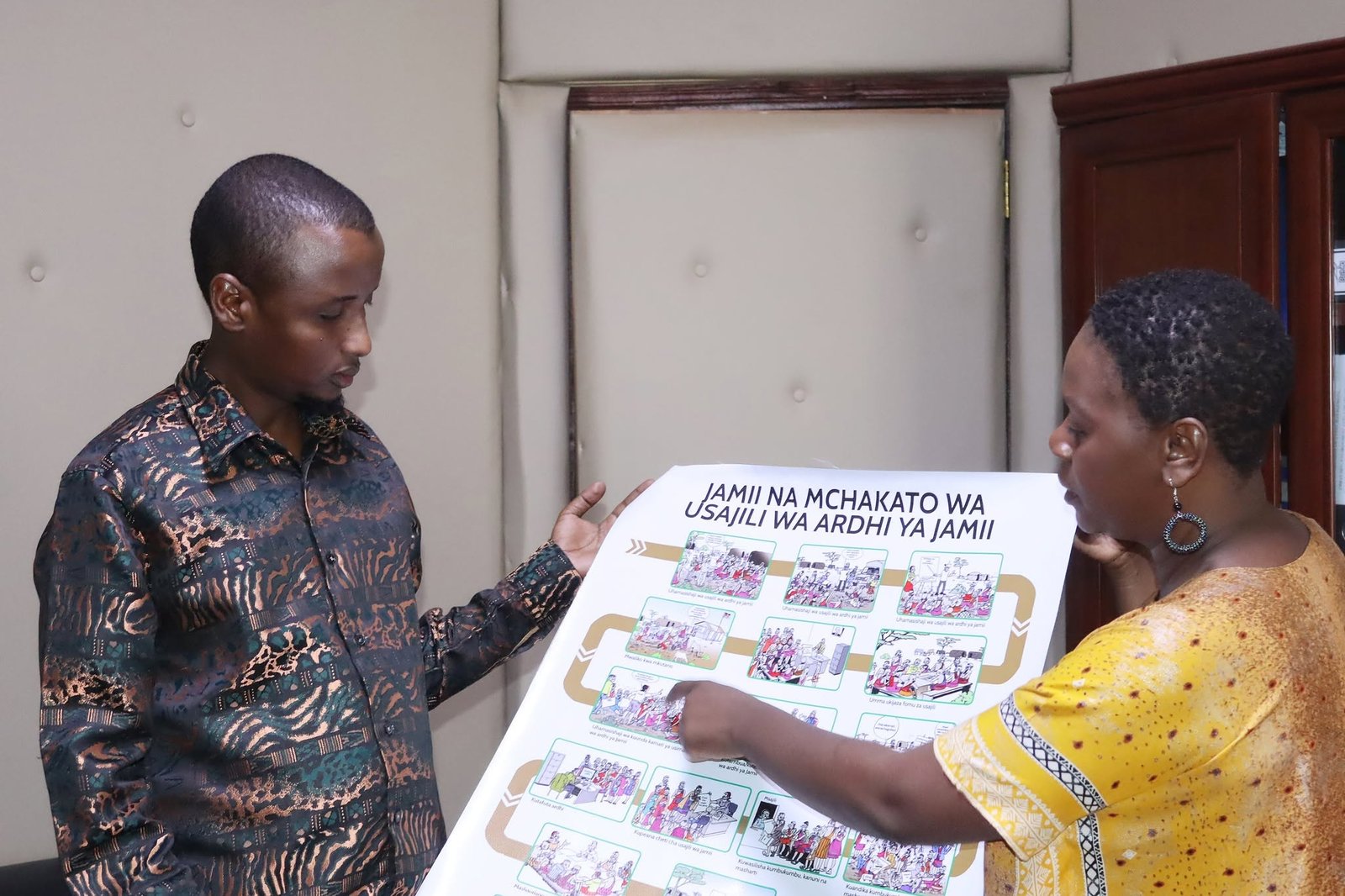
The Community Land Act envisages communities as active participants in the registration process, including through community assemblies and elected community land management committees.
Communities must understand what they own, who represents them, what decisions require their participation and what avenues exist when their rights are threatened.
That is where Wajir’s women, young people, cultural leaders, civil society organisations and media could become important actors.
Abdia Hussein Adan, a member of Wagala Fresh Milk and Yogurt Traders, described the practical consequences of weak documentation at settlement level.
She said residents in areas such as Wagalla face challenges because of distance from municipal centres and the absence of proof of ownership.
“People usually do not have a proof of land ownership,” he said.
That uncertainty can turn ordinary disputes into prolonged conflicts. It can also complicate development, investment and planning.
But nearly a decade after the Community Land Act was enacted, the question raised in Wajir is whether legal recognition has translated into practical power.
If communities do not know what has been gazetted, if registration remains financially and technically difficult, and if women remain excluded from important decisions, then the existence of a progressive law does not by itself settle the land question.


