

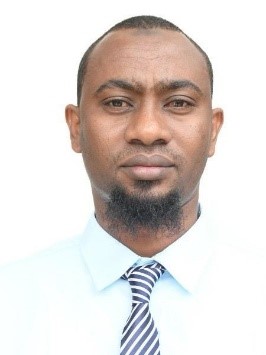
By Shueb Suleiman Issak
In 2003, while in secondary school, I studied Portuguese rule in East Africa as part of our history lessons. Like many students, I learned about it through textbooks and my teacher’s classroom explanations. I could recall the dates, names and events surrounding the Portuguese presence along the East African coast, but I had never experienced the historical setting in which they unfolded.
More than two decades later, in 2026, I visited Fort Jesus in Mombasa on my own initiative.
Walking through the fort gave me a much clearer understanding of the historical events I had studied years earlier. Listening to the tour guide explain its history offered an entirely different perspective. What had once been abstract information in a textbook suddenly became a tangible experience. I could see, connect with and better appreciate the events I had previously learned about.
I recorded the tour and later shared it with my children, believing that when they eventually study the same topic, they will have something more meaningful to relate to than the words in their textbooks.
That visit left me reflecting on a fundamental question: How many of our students spend years learning about places, institutions and experiences they have never seen in person or even explored through video?
This is a longstanding education gap in Northern Kenya that has remained largely overlooked.
Over the years, the region has made considerable progress in expanding access to formal education. Public and private schools have been established in areas that previously had limited educational facilities. More families are enrolling their children, and there is growing appreciation of the importance of educating both boys and girls.
This is a significant achievement, particularly given the region’s history of nomadic pastoralism, when many families depended on livestock and children’s participation in herding often took precedence over formal education.
However, enrolling children in school is only the first step towards providing them with a meaningful education. We must also ask whether we are giving them the exposure, guidance and practical experiences they need to learn, grow and prepare for life beyond school.
Despite the progress made, challenges associated with mobility and long distances to schools persist in parts of Northern Kenya. Continued investment in schools and teachers remains essential, but one important area that deserves greater attention is exposure.
Consider the following examples to appreciate its importance.
A student studying Business should have opportunities to visit supermarkets, wholesale outlets and retail shops to observe how businesses operate. Such visits can help learners understand stock management, customer service, pricing and record-keeping. Handling documents such as receipt books, invoices, cheques, cashbooks and stock registers can also give learners practical insights into business operations.
Similarly, students studying History and Government should visit historical sites, county assemblies, the National Assembly and courts. Such visits can help them understand how institutions function, how laws are made and how public decisions affect society. A student who has witnessed parliamentary proceedings may appreciate the subject differently from one who has only read about it in a textbook.
Unfortunately, these opportunities remain limited in many schools across Northern Kenya.
Students spend much of their time within school compounds, learning from textbooks and listening to teachers. Even where practical subjects are taught, inadequate facilities and resources often limit the experiences available to learners.
But these activities are not luxuries reserved for well-resourced schools. Schools can organise visits in partnership with public institutions and local businesses.
County governments, for instance, have executive departments and specialised offices, including the Office of the County Attorney. County assemblies also offer valuable learning opportunities through their various structures and offices, including committees, the Speaker, the Clerk and the Serjeant-at-Arms. Interacting with these institutions and learning how they operate can give students a practical understanding of county government.
Where visits to historical sites or the National Assembly are difficult to organise, virtual tours and educational documentaries can provide alternatives.
The exposure gap is further compounded by inadequate mentorship and career guidance. Many students complete secondary school without meaningful interactions with professionals in the careers they aspire to pursue. Consequently, some choose university courses with limited understanding of the opportunities, demands and responsibilities associated with their chosen fields.
Professionals, alumni and institutions can help bridge this gap. Accountants, doctors, engineers, lawyers, journalists and teachers should be encouraged to organise themselves and visit schools to share their experiences and guide students.
Such engagements can help learners understand career paths and make informed decisions. Even modest programmes, sustained over time, can help students see possibilities beyond their immediate communities and make choices based on knowledge rather than assumptions.
We must also recognise that students need opportunities to learn beyond the prescribed curriculum. Sports and science competitions are important, but schools should equally explore extracurricular activities that develop communication, public speaking, creativity, leadership and critical-thinking skills.
Clubs and societies such as debating, journalism and writers’ clubs should therefore be established and run effectively to advance language, communication and analytical skills.
More importantly, we must nurture a reading culture among children and teach them to pursue knowledge rather than simply chase certificates. Examination malpractice must be regarded as a serious threat to the quality and integrity of education and addressed through collective responsibility.
Parents and teachers have significant roles to play in nurturing a reading culture. Parents, in particular, need to take an active interest in their children’s education, monitor their progress and create an environment that supports learning beyond the classroom.
We can draw inspiration from the story of renowned neurosurgeon Ben Carson and the role his mother played in shaping his educational journey. Her encouragement and insistence on reading demonstrate how parental involvement can influence a child’s future.
Ultimately, a good education should produce people who can analyse situations, think critically and become reliable problem-solvers in their communities. This must be our chief pursuit.
Northern Kenya needs engineers, journalists, doctors, accountants, finance professionals and many other specialists to support its development. The region has produced such professionals before, but many had to discover opportunities and navigate their careers with limited guidance.
We should make that journey easier for the next generation.
Giving students exposure does not always require expensive educational trips. Technology offers affordable alternatives. Properly equipped computer laboratories and access to educational resources can bring historical sites, industries, institutions and professional experiences into classrooms.
Teachers who cannot organise physical visits can use platforms such as YouTube to take students on virtual tours and introduce them to experiences beyond their immediate surroundings.
Improving education in Northern Kenya is not the responsibility of teachers alone. Governments, schools, parents, alumni, professional associations, businesses, community leaders and other stakeholders must work together to make this possible.
We have made progress in expanding access to education. Our next challenge must be to ensure that learners gain the knowledge, confidence, exposure and practical skills they need to succeed and contribute meaningfully to their communities.


