

The decision to hold this year’s Madaraka Day celebrations in Wajir is more than just hosting a national event. For many residents, it is a symbolic recognition of a region that has for decades faced marginalisation and limited national attention from successive governments.
What may appear to some as a routine rotation of national celebrations is, in many ways, a significant moment for the people of Northern Kenya, formerly known as the Northern Frontier District (NFD).
Since Kenya gained independence, the North Eastern region has often been associated with underdevelopment, insecurity and neglect. Yet behind those challenges lies a resilient population, a rich cultural heritage, untapped economic potential and a strong sense of patriotism.
Hosting Madaraka Day in Wajir presents the country with an opportunity to rediscover a region that has long deserved greater visibility and inclusion in Kenya’s national development agenda.
Preparations for the celebrations have already led to infrastructural improvements within Wajir town, including the construction and rehabilitation of roads, beautification projects and upgrades to public facilities. While some critics may view such developments as temporary, national events have historically left behind long-term benefits for host regions.
Improved infrastructure, increased investor interest and a stronger government presence can serve as a foundation for future growth and development.
Beyond development, the event also carries a strong message of national unity. Madaraka Day commemorates Kenya’s journey towards self-rule and dignity. Bringing the celebrations to Wajir is a reminder that nationhood remains incomplete if some regions continue to feel excluded from the country’s progress.
The event sends a signal that every part of Kenya matters, regardless of geography or political influence.
The celebrations will also provide an opportunity to showcase the rich cultural heritage of the Somali community in North Eastern Kenya. Visitors from across the country are expected to experience the hospitality, traditions and diversity that define the people of Wajir.
Such interactions can help break long-standing stereotypes and strengthen social cohesion among Kenyans.
The local economy is also expected to benefit from the event. Hotels, transport operators, small businesses and traders are likely to experience increased activity during the celebrations. Beyond the event itself, Wajir could attract greater attention from investors, tourists and development partners who may previously have overlooked the region.
In many ways, Madaraka Day in Wajir transforms a ceremonial national event into a moment of reflection, recognition and opportunity. It highlights the need for equitable development across the country, rather than concentrating growth in major towns and cities while other regions remain on the margins.
As the national flag is raised in Wajir on Madaraka Day, it will symbolise more than Kenya’s independence from colonial rule. For many residents, it will also represent hope, inclusion and the gradual breaking of historical barriers that have kept the region isolated for far too long.
____________________________________________________________
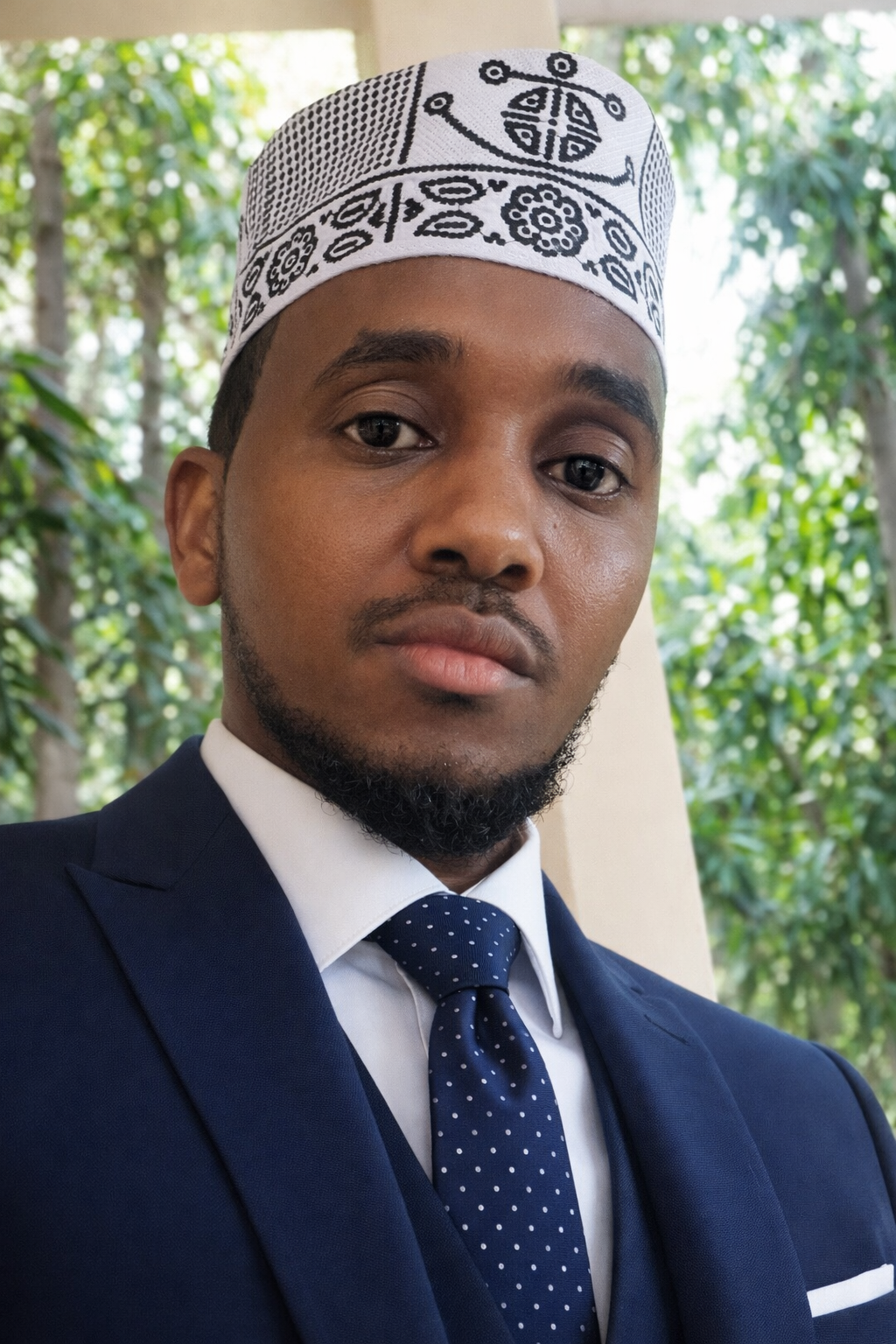
The writer is a concerned youth and commentator on governance and accountability issues.


