

 Compiled By Abdullahi Jamaa | Wajir Today | Thursday, May 28, 2026
Wajir County, in Kenya’s Northeastern region, carries a history shaped by migration, pastoral survival, colonial rule, conflict and, more recently, renewal after the inception of devolution.
Though often associated with its harsh semi-arid landscape, Wajir’s story is deeply tied to the resilience of communities that for generations adapted to one of the toughest environments in the Horn of Africa.
The county is predominantly inhabited by ethnic Somali communities, alongside a significant population of other Kenyan communities that settled in the county over time.
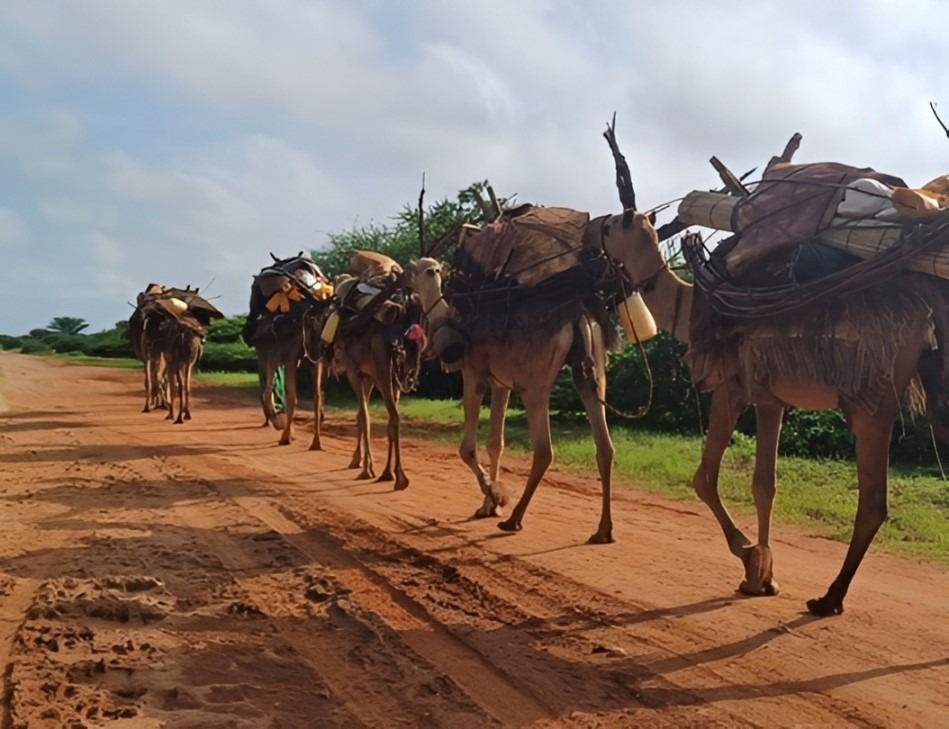
Long before colonial boundaries were drawn, Wajir occupied an important position within the pastoral routes linking present-day Kenya, Somalia and Ethiopia. Its history was defined less by fixed borders and more by movement of people, livestock and trade caravans across the wider Cushitic world.
The name “Wajir”, pronounced “Wajeer” in Somali, is widely believed to originate from a Borana expression meaning “coming together”. The name reflected the area’s traditional role as a meeting point for pastoralists searching for water and pasture during dry seasons.
Water pans and wells were central to life in the region, and communities often converged around them to trade, rest and negotiate grazing access.
Oral traditions in Wajir also speak of earlier inhabitants, including the Madinle, a hunter-gatherer community remembered in local folklore for their physical endurance and ability to survive the region’s unforgiving climate.
While little documented evidence exists about the Madinle, their memory remains embedded in stories passed down through generations, reflecting a period before the dominance of nomadic pastoralism.
Over centuries, Cushitic-speaking pastoral communities migrated into the county from present-day Ethiopia and Somalia. Somali clans and Borana pastoralists gradually established livelihoods centred on camel, cattle, sheep and goat herding.
Mobility became essential for survival, with seasonal migration patterns shaped by rainfall and grazing conditions. The region’s social structure, culture and economy evolved around pastoral life, which remains central to Wajir’s identity today.
British colonial authorities arrived in Wajir in the early 20th century as part of their efforts to consolidate control over the Northern Frontier District (NFD), a vast territory inhabited largely by ethnic Somalis.
By 1912, Wajir had become an administrative outpost, and between 1913 and 1918 it was formally recognised as a district under colonial administration.
The establishment of British rule was met with resistance from local communities determined to protect their autonomy and nomadic way of life. Oral accounts recount how colonial administrators allegedly requested a small tract of land equivalent to the size of a cowhide locally remembered as “Sadeey” only to later expand their occupation beyond what had been understood during negotiations.
Though difficult to independently verify in full historical detail, the story remains an enduring symbol of local perceptions of colonial deception and dispossession.
Colonial rule brought tighter administrative control but also deep isolation. In 1925, the British declared Wajir a “closed district” under the Outlying Districts Ordinance.
Movement into and out of the region required special permits, effectively cutting off much of the north-east from the rest of colonial Kenya. The policy limited economic integration and restricted political participation, reinforcing a sense of marginalisation that would persist long after independence.Fort Wajir became the centre of colonial authority in the region.
Second World War
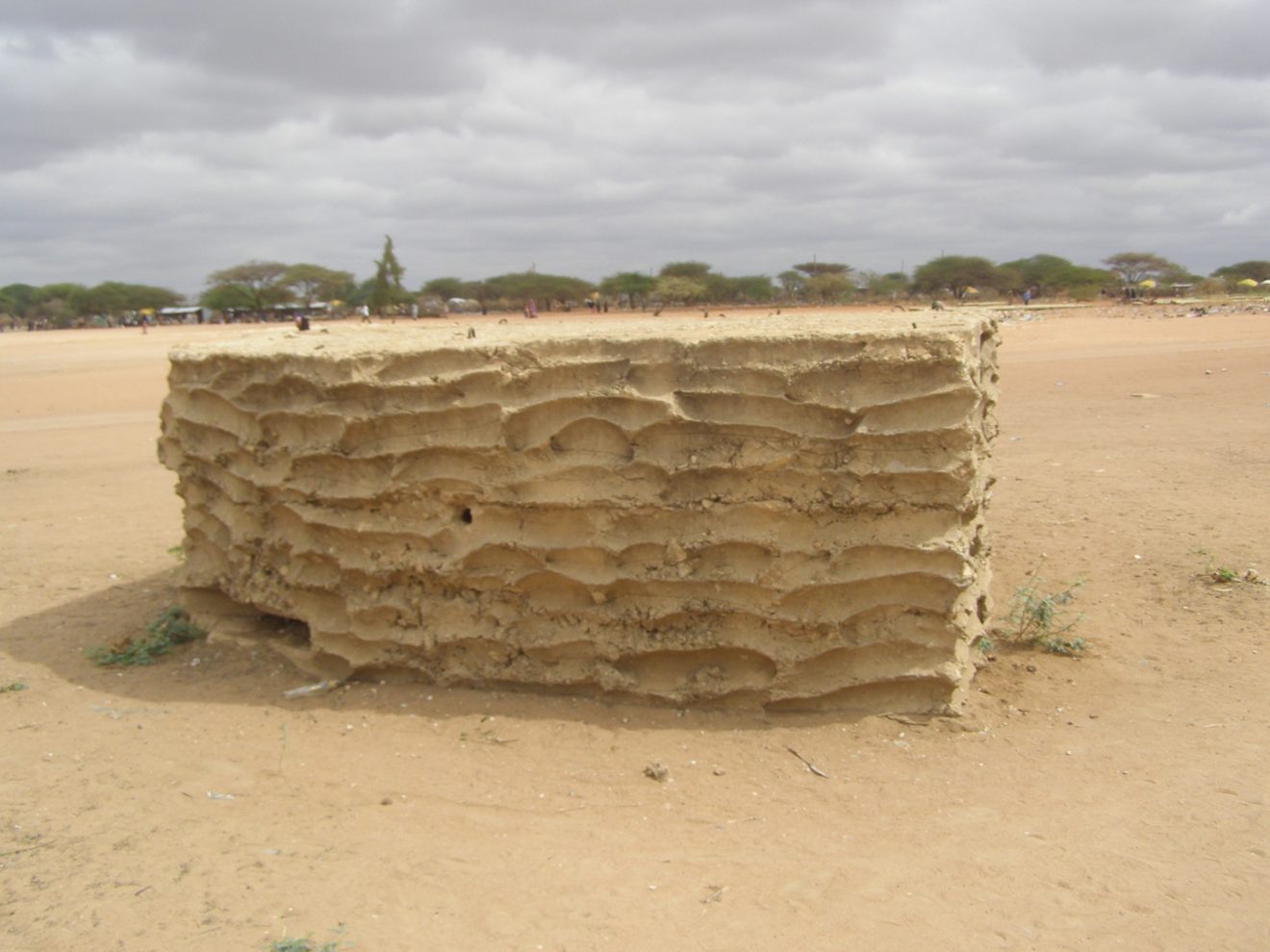
During the Second World War, Wajir also emerged as a strategic military location in the East African campaign. Italian forces advancing from Ethiopia and Somaliland confronted British and Commonwealth troops across northern Kenya.
Defensive trenches and bunkers constructed during the war can still be seen in parts of Wajir town, serving as reminders of the global conflict that briefly turned the remote frontier into a wartime theatre.
When Kenya gained independence in 1963, hopes were high across the country, but the north-east soon entered a turbulent period. Many ethnic Somalis in the region favoured joining the Somali Republic, leading to the outbreak of the Shifta War between Kenyan security forces and secessionist insurgents.
The conflict, which lasted through much of the 1960s, brought widespread insecurity, economic disruption and heavy state restrictions. For many residents, it deepened feelings of exclusion from the Kenyan state.
The scars of that era were compounded in 1984 by the Wagalla Massacre, one of the darkest episodes in Kenya’s post-independence history. Thousands of members of the Degodia clan were rounded up by security forces at the Wagalla Airstrip following inter-clan tensions.
Human rights groups and survivors have long accused the state of grave abuses during the operation, though the full death toll has never been conclusively established. The tragedy left deep trauma across Wajir and remains a defining moment in the county’s collective memory.
In recent years, however, Wajir has undergone significant transformation, particularly following the introduction of devolution under Kenya’s 2010 Constitution. Increased county-level funding and local governance have expanded investment in infrastructure, healthcare, water access and education.
Today, Wajir stands at the intersection of history and opportunity. Despite enduring challenges linked to climate change, drought and underdevelopment, the county is steadily emerging as an important economic, cultural and administrative hub in northern Kenya.


