

By Abdullahi Jamaa
WAJIR, Kenya, July 25 – Wajir County is expected to remain under stressed (IPC Phase 2) food security conditions in the coming months despite above-average rainfall during the March-to-May rainy season, according to a food security assessment presented by the National Drought Management Authority (NDMA).
The assessment found that while the rains improved pasture, livestock conditions and water availability, an early end to the season reduced crop yields, leaving many households vulnerable as purchasing power remains weak and humanitarian assistance declines.
The findings were presented on Friday July 24, 2026 during the Wajir County 2026 Long Rains Food Security Assessment debrief by NDMA.
According to the assessment, Wajir received about 285.4 millimetres of rainfall during the March-to-May season, compared with a long-term average of 187 millimetres, representing rainfall more than 53% above normal.
“The 2026 March–May long rains season in Wajir County was generally above average with fair to good distribution in space and time,” the assessment said. “However, rainfall cessation occurred early, during the first week of May 2026.”
The report said the improved rainfall encouraged farmers to expand cultivation, with the area planted under maize, sorghum and pulses increasing by 227% compared with the previous season.
However, production reached only about 1,920 bags, against a five-year average of 6,290 bags, after crops were affected by early rainfall cessation, flooding, pests, diseases, high temperatures and post-harvest losses.
“The county remains food insecure, and immediate external support is necessary to prevent further deterioration of food and nutrition security outcomes,” the report said.
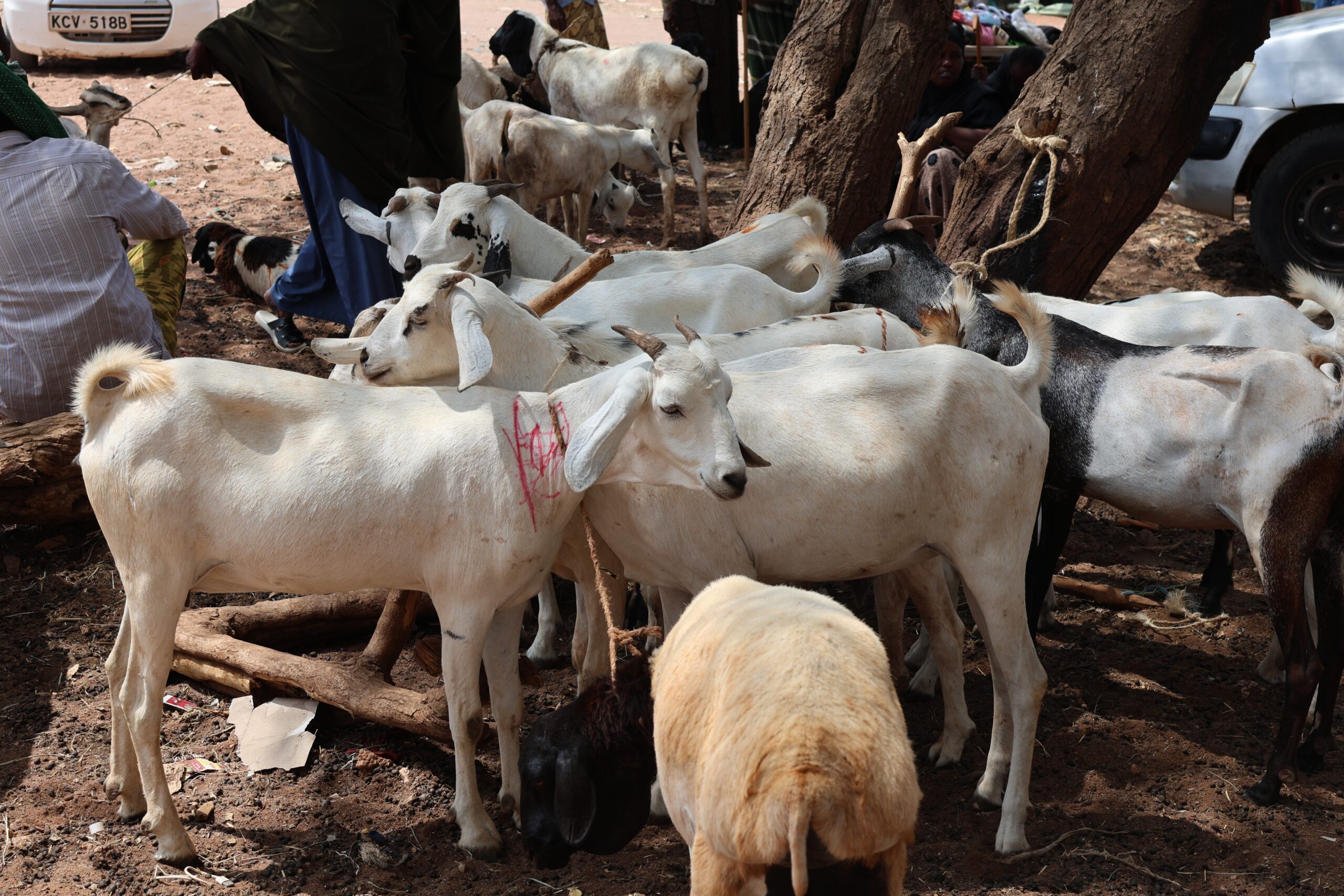
The livestock sector showed stronger performance following the rains. Pasture and browse conditions were rated as good across pastoral and agro-pastoral areas, while livestock body conditions remained favourable.
Goat prices rose to KSh 6,000 in June from KSh 5,300 in May, improving pastoral households’ purchasing power as maize prices remained relatively stable.
Despite those gains, the assessment said household milk production and consumption remained below long-term averages, while food consumption is expected to deteriorate within the next month if humanitarian interventions continue to be reduced.
Nutrition indicators also remained a concern. The assessment cited survey data showing that acute malnutrition among children under five has remained above the World Health Organization’s emergency threshold in recent years, while around 12% of children were considered at risk of moderate malnutrition in June.
The education sector also faces challenges despite rising enrolment in primary and secondary schools. According to the assessment, more than 70% of schools lack reliable access to safe water, and a similar proportion have inadequate sanitation facilities. Several schools also sustained damage to classrooms during recent periods of strong winds.
Looking ahead, the assessment said the June-to-August period is expected to be generally dry across northeastern Kenya, with pasture conditions likely to remain favourable for one to two months before deteriorating.
Livestock prices are expected to remain stable, but the number of people requiring food assistance could increase if household food access weakens further.
The assessment recommends expanding cash assistance and relief food distribution, strengthening disease surveillance, improving water infrastructure, scaling up nutrition and public health interventions, and supporting school feeding programmes to reduce the impact on vulnerable households.


