

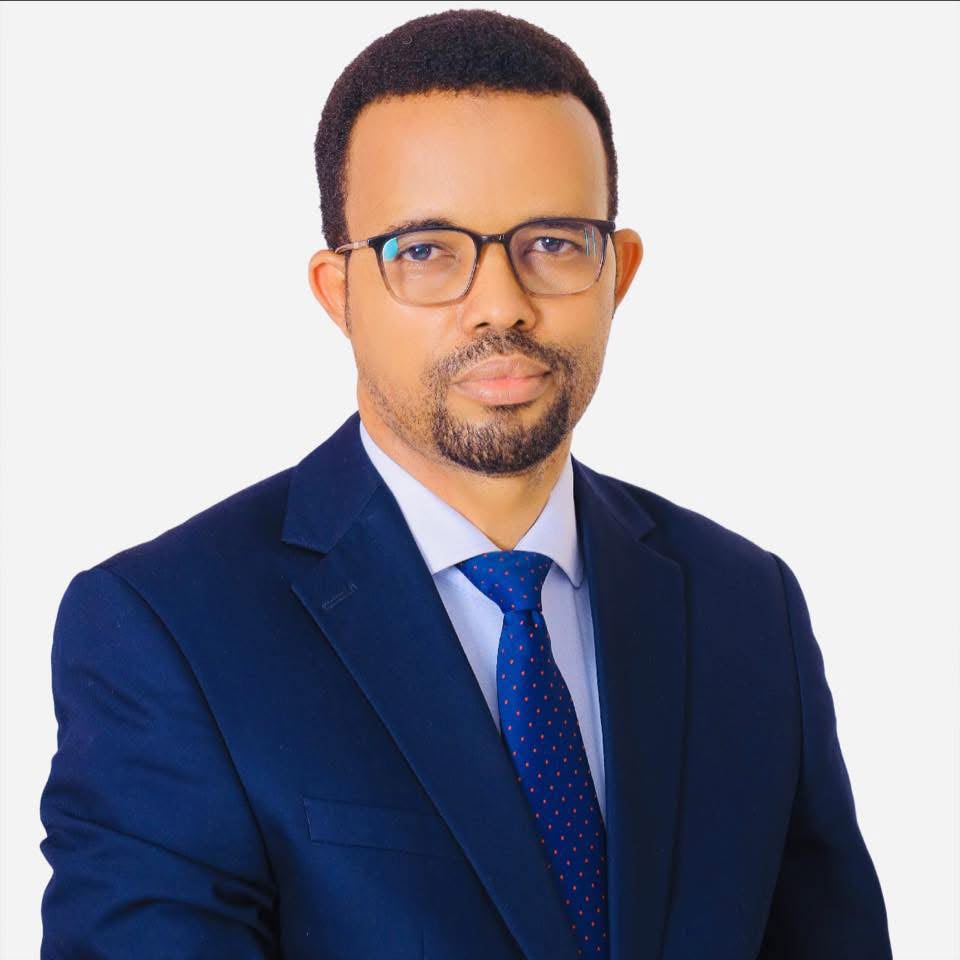
By Adow Mohamed
The laying of the foundation stone for the Baitulmaal Hope Hospital in Wajir on July 5 2026 is far more than the commencement of another construction project. It marks the beginning of what could become one of the most consequential facility in the transformation of healthcare in Northern Kenya, an Islamic faith-based, not-for-profit specialist hospital envisioned to make quality healthcare accessible and affordable to those who need it most.
What makes the initiative particularly compelling is that it is being conceived not as a single construction project but as a long-term institutional investment. The hospital will be developed in phases. The first phase, estimated at approximately US$800,000 (about KSh103.36 million), will establish the foundation upon which subsequent phases will build. Future phases, currently under design and review, will progressively introduce more specialised services, steadily expanding the hospital’s capacity and clinical capabilities. This phased approach reflects careful planning and a realistic appreciation that centres of medical excellence are built over time, not overnight.
In many parts of Kenya, a new hospital is simply another addition to the health system. In Wajir and the wider North Eastern region, however, this project carries far greater significance. It represents hope, dignity and the possibility of correcting decades of historical inequity in access to specialised medical care.
Every transformative institution has a story behind it. Hospitals, universities and research centres do not emerge by accident. They are conceived through vision, sustained by perseverance and realised by individuals capable of uniting people around a common purpose.
The Baitulmaal Hope Hospital is no exception. The project owes much to the foresight, persistence and relentless lobbying of Baitulmaal co-founder Ugas Sheikh Mohamed, whose determination transformed the dream of a specialist hospital in Wajir into a tangible reality. His leadership demonstrates that meaningful development often begins with people who refuse to accept historical neglect as inevitable. Rather than lamenting the region’s challenges, he chose to mobilise support, forge strategic partnerships and pursue a lasting solution.
Importantly, this is not an experiment starting from scratch. Baitulmaal Hope Hospital will become part of an established network of hospitals already operating successfully in Kampala and Mogadishu. Those institutions provide a proven model of governance, service delivery and financial management from which the Wajir hospital can draw valuable lessons. Their experience should inspire confidence that this institution is being built upon practical knowledge rather than aspiration alone.
For generations, the people of Wajir and the wider North Eastern region have endured one of Kenya’s deepest healthcare inequalities. The region continues to struggle with some of the country’s highest maternal mortality rates, elevated infant deaths, increasing cases of chronic kidney disease and a growing burden of cancer and other non-communicable diseases. Yet access to specialist diagnosis and treatment remains painfully limited.
For many families, serious illness immediately translates into travel. Patients requiring dialysis, cancer treatment, cardiac care, advanced surgery or specialised maternal care often find themselves making long and expensive journeys to Nairobi, Ethiopia or beyond. For years, countless patients have travelled to Hawassa in Ethiopia and to renowned institutions such as AIC Kijabe Hospital and St. Mary’s Hospital in search of specialised treatment unavailable closer to home.
Those journeys are not merely inconvenient. They are emotionally exhausting, financially crippling and, for critically ill patients, medically dangerous. Families shoulder not only hospital bills but also transport, accommodation, meals and weeks, sometimes months of lost income. Many pastoralist households have sold livestock, their principal source of livelihood, to finance treatment. Others delay seeking care or abandon treatment altogether because the costs are simply beyond their means.
It is against this backdrop that Baitulmaal Hope Hospital assumes such profound importance. Its significance lies not only in the buildings that will rise from the ground but also in the philosophy underpinning the project. The hospital is being built around four defining pillars: modern medical equipment, specialised treatment, excellence in service and affordability in pricing. These are not merely aspirational ideals; they are the principles intended to shape every aspect of the institution’s operations.
As a faith-based, not-for-profit hospital, its mission extends beyond financial sustainability. Its purpose is to deliver high-quality specialist healthcare that remains within reach of ordinary families. In a region where poverty and limited access to advanced medical services continue to constrain development, affordability is not an added advantage; it is the foundation of equitable healthcare.
The hospital also promises to ease the growing burden on Wajir County Referral Hospital and other overstretched public health facilities by providing specialist services that have long been unavailable locally. Rather than competing with the public health system, it is designed to complement and strengthen it by reducing patient referrals outside the county and expanding access to advanced care closer to home.
Perhaps one of the most significant, though less discussed, aspects of the project is its commitment to building human capital. Beyond treating patients, Baitulmaal Hope Hospital is envisioned as a centre for learning, mentorship and professional development. Through partnerships with its sister hospitals and a steady stream of visiting specialist doctors from abroad, local doctors, nurses and other healthcare professionals will have opportunities to learn new techniques, acquire specialised skills and strengthen clinical practice without leaving the region. Over time, this transfer of knowledge could prove as valuable as the medical services the hospital itself provides, helping cultivate a new generation of highly skilled healthcare professionals in Northern Kenya.
Kenya’s healthcare history demonstrates the transformative role faith-based institutions can play. Mission hospitals have long been indispensable pillars of the country’s health system, providing an estimated 40 per cent of healthcare services. Operated largely by Catholic and Protestant organisations, they have consistently delivered compassionate, high-quality and heavily subsidised care, often serving remote communities where public health facilities remain overstretched or inaccessible. Some of Kenya’s most respected hospitals owe their reputation to this tradition of service before profit.
Baitulmaal Hope Hospital now has the opportunity to build upon that legacy from an Islamic faith-based perspective. While inspired by a different religious tradition, it is guided by the same universal values of compassion, service and human dignity. In doing so, it has the potential to become a landmark institution demonstrating how faith-inspired philanthropy can bridge longstanding gaps in healthcare.
History, however, offers an important cautionary lesson: foundation stones are easy to lay; enduring institutions are much harder to build. Across the country, ambitious projects have begun with great promise only to stall because of inadequate financing, weak governance or an inability to attract and retain skilled professionals. Sustainability must therefore remain the defining priority. Buildings alone do not save lives. Strong leadership, sound governance, reliable financing and continuous investment do.
Fortunately, Baitulmaal does not have to chart an entirely new path. The experience gained from its existing hospitals offers valuable lessons in institutional management, financial sustainability and clinical excellence. If those lessons are adapted successfully to Wajir’s unique circumstances, they will significantly enhance the hospital’s prospects for long-term success.
Recruiting and retaining specialist doctors, investing continuously in modern medical technology, maintaining the highest standards of clinical care and ensuring sound financial management will ultimately determine whether the hospital fulfils its promise.
If the current vision is realised, the hospital could evolve into a fully-fledged Level 6 referral facility within the next five years, offering a breadth of specialised services that today remain beyond the reach of most residents of Northern Kenya.
Success will also require strong partnerships among the national and county governments, development partners, philanthropists, professional medical bodies and the wider community. Excellence in healthcare is never achieved through buildings alone. It is built through competent professionals, visionary leadership, continuous investment and unwavering public trust.
Above all, Baitulmaal Hope Hospital reminds us of an enduring truth: the greatest legacies are rarely measured by speeches, titles or political accomplishments. They are measured by institutions that continue serving society long after their founders have departed.
If realised as envisioned, this hospital will do far more than treat illness. It will restore dignity to patients who have long endured exhausting journeys in search of specialist care. It will spare families the devastating financial burden of seeking treatment far from home. It will improve maternal and child health outcomes, expand access to life-saving specialist services, strengthen the region’s health workforce and inspire young people to pursue careers in medicine and allied health professions. Above all, it will demonstrate that Northern Kenya is not destined to remain a passive recipient of development but is fully capable of building institutions of excellence that rival the very best in the country.
The foundation stone has now been laid. The responsibility that follows belongs to everyone, Baitulmaal, the national and county governments, development partners, the medical fraternity and the people of Wajir themselves, to ensure that this vision becomes a fully operational centre of excellence.
If that happens, Baitulmaal Hope Hospital will stand not only as one of Northern Kenya’s finest healthcare institutions but also as a powerful testament to what visionary leadership, faith-inspired philanthropy and collective resolve can achieve. It will prove that the noblest form of charity is not merely relieving today’s suffering, but building institutions that safeguard the health, dignity and wellbeing of generations yet unborn.
_________________________________________
The views and opinions expressed in this article are solely those of the author and do not necessarily reflect the editorial position of Wajir Today. The article is intended to contribute to public debate and inclusive discourse. Any reference to individuals or events are made in good faith and in the public interest.
To contribute articles to Wajir Today send your opinion ideas to newsroom@wajirtoday.co.ke


