

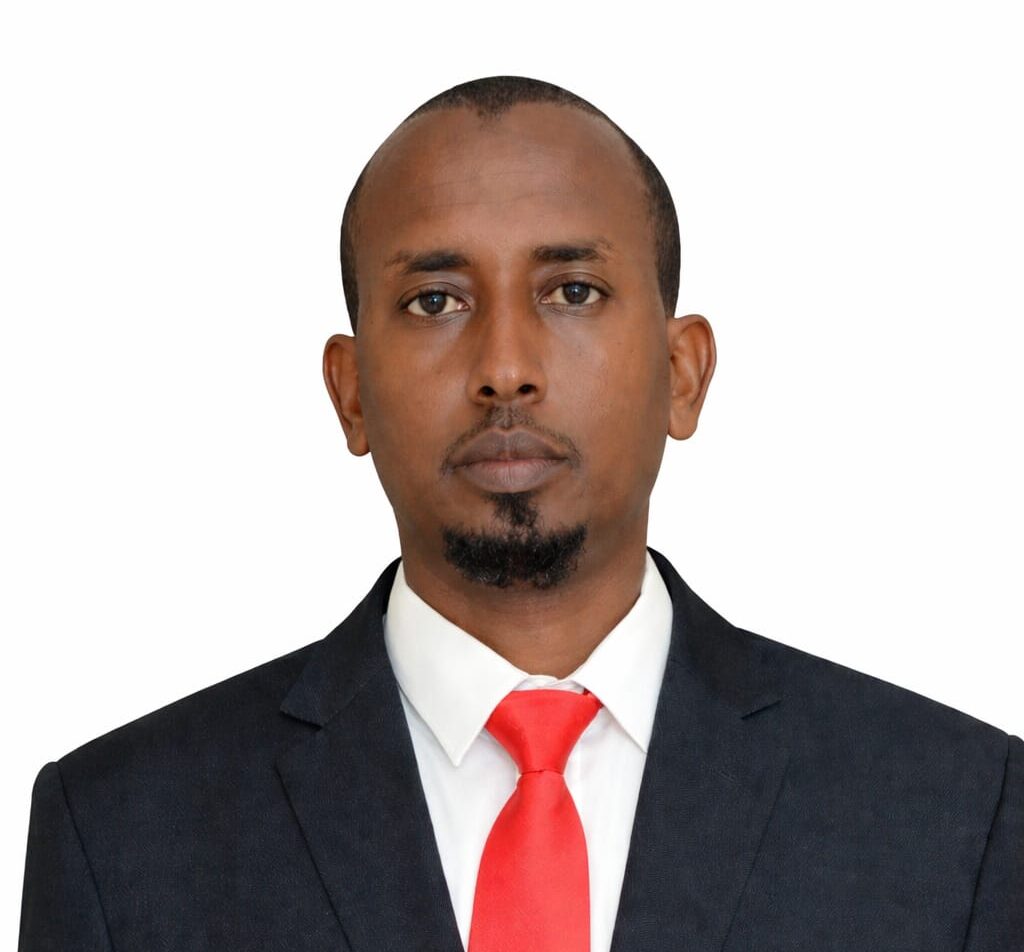
By Ali Mohamud Adan
Mental health is now widely understood as both a health priority and a core human rights concern. In Northern Kenya, particularly in Wajir, Mandera, Garissa, Isiolo and Marsabit counties, the reality of mental health care reflects long-standing inequalities in access to essential services.
Despite growing cases of mental illness driven by socio-economic and environmental stressors, the availability of comprehensive, affordable, and quality mental health services remains limited. This gap raises serious concerns about the protection and realization of human rights in these regions.
The socio-economic context of Northern Kenya significantly contributes to the rising burden of mental health conditions. Recurrent drought has devastated pastoral livelihoods, leaving families without income, food security, or stability.
For many communities, livestock loss represents not only economic hardship but also emotional and psychological trauma. Coupled with this is the growing challenge of youth unemployment, which has created feelings of hopelessness and frustration.
In recent years, increasing substance and drug abuse has further compounded the situation, especially among young people. These overlapping stressors have led to a steady rise in cases of depression, anxiety, trauma-related disorders, and substance use disorders across the region.
Despite the evident need, mental health services in most of these counties remain inadequate. Most counties lack mental health facilities at the sub-county level, forcing patients with conditions to travel long distances or go without care altogether.
Existing services at some county referral hospitals are often limited to basic outpatient care, with limited mental health professionals. Comprehensive services including counseling, rehabilitation, and community-based support systems are either underdeveloped or completely absent. As a result, many individuals with mental illness remain untreated, misdiagnosed, or marginalized within the communities.
This situation persists despite clear legal and policy frameworks that mandates both national and county governments to provide accessible, integrated, and quality mental health services. The purpose of the Mental Health Act is to promote mental health and well-being, prevent mental illness, and ensure access to quality care, treatment, and rehabilitation services.
It seeks to reduce stigma, support recovery, and facilitate the integration of persons with mental illness into the community through a holistic, community-based approach.
Additionally, it safeguards the rights of individuals with mental illness and promotes the provision of mental health services at primary healthcare levels.
In the absence of strong public health systems, private mental health facilities have attempted to fill the gap. However, the cost of accessing private care is prohibitively high for many residents of Northern Kenya, where poverty levels are significant. This creates a situation where only a small portion of the population can afford treatment, while the majority are left without any support. Moreover, private facilities themselves face numerous challenges, including limited human resources, high operational costs, and inadequate policy support, making it difficult for them to meet the growing demand.
County governments have a critical role to play in reversing this trend. As the primary units responsible for health service delivery, they must prioritize mental health in planning, budgeting, and implementation. This includes establishing and equipping mental health units in the county hospitals, integrating mental health into primary health care systems, recruiting and training specialized personnel, and investing in community outreach and awareness programs.
Mobile clinics and community-based interventions are particularly important in reaching remote pastoralist populations. At the same time, the Senate should strengthen its oversight role to ensure that counties fulfill their legal obligations and allocate adequate resources to mental health services.
Equally important is the role of communities in addressing mental health challenges. There is a need to shift perceptions and reduce stigma by promoting awareness and understanding of mental health conditions as treatable medical issues.
Community leaders, civil society organizations, and local institutions must be actively involved in creating supportive environments where individuals can seek help without fear of discrimination or exclusion.
The state of mental health in Northern Kenya remains a critical human rights issue that requires urgent attention. The combined effects of drought, poverty, unemployment, substance abuse, sociocultural challenges, and limited health infrastructure continue to worsen the crisis, leaving many individuals and communities vulnerable.
Too often, people living with mental health conditions are neglected both by the community and by duty bearers, as seen in our streets. Addressing this issue is not only about improving health outcomes but also about restoring human dignity, equality, and justice.
Counties must take deliberate and sustained actions to ensure that mental health services are accessible, affordable, and comprehensive, fulfilling both their legal obligations and moral responsibilities to the community.
————————————————————————————————————–
The views and opinions expressed in this article are solely those of the author and do not necessarily reflect the editorial position of Wajir Today. The article is intended to contribute to public debate and inclusive discourse. Any reference to individuals or events are made in good faith and in the public interest. To contribute articles to Wajir Today send your opinion ideas to newsroom@wajirtoday.co.ke


1 Comment. Leave new
Great job Mr workaholic.