

By Staff Writer| Wajir Today
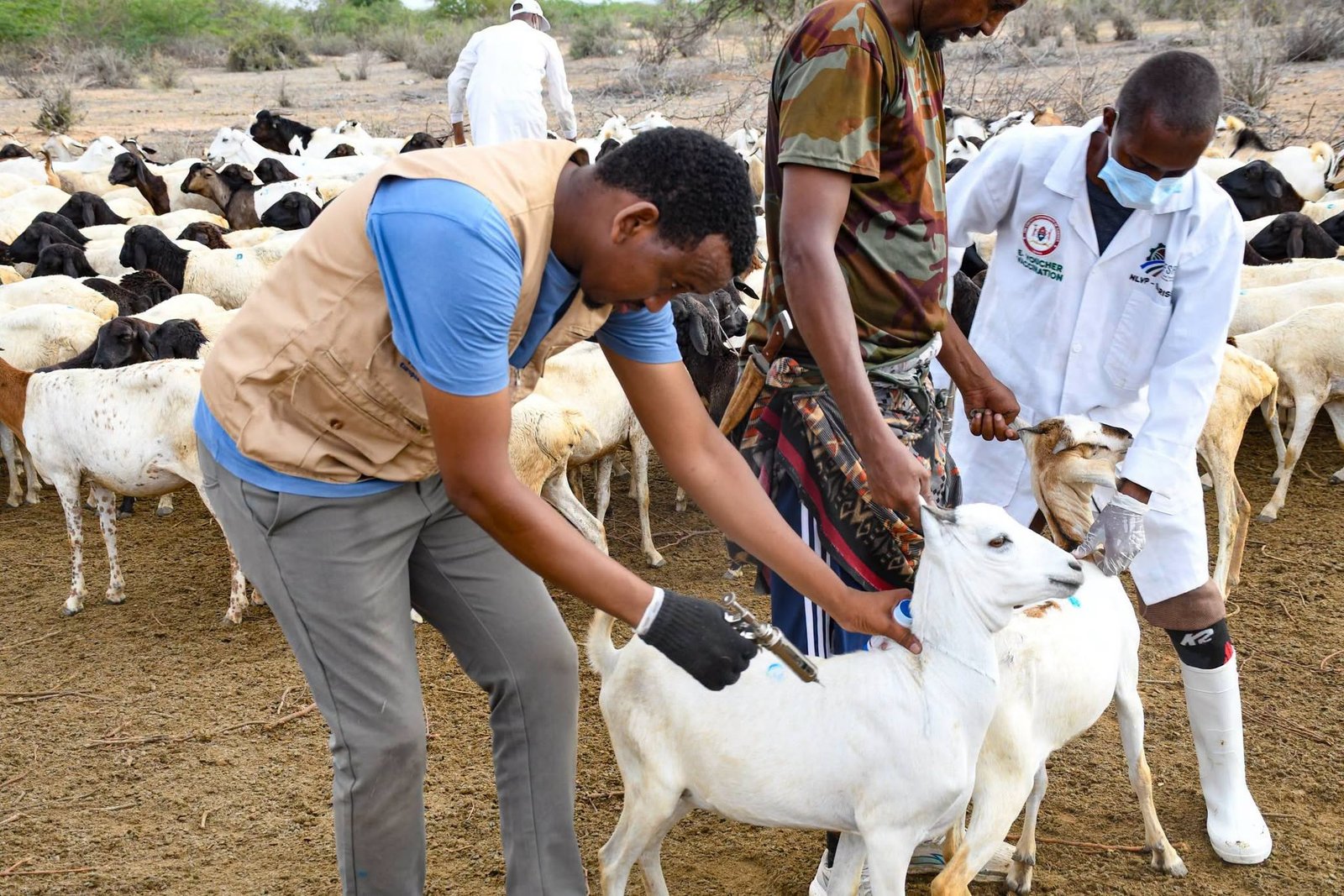
GARISSA, Kenya – The Garissa County Government has launched a livestock vaccination and animal health campaign targeting 60,000 animals in the larger Dadaab area to prevent disease outbreaks amid increased livestock movement during the ongoing rainy season.
The campaign, led by the County Department of Livestock and Veterinary Services in partnership with the Food and Agriculture Organization (FAO), is funded by the European Union through the Building Resilient Settlements in Kenya project.
It will cover Fafi, Jarajila, Labasigale, Damajale and parts of Dadaab Ward, where livestock movement and convergence have increased following the onset of the rains.
According to the county government, the movement of animals from different parts of Garissa County and across the border, coupled with reported disease outbreaks, has raised concerns about the potential spread of infections among livestock.
The intervention is intended to strengthen preventive animal health measures and reduce the risk of widespread outbreaks that could affect pastoral households and their livelihoods.
Speaking during the launch, Garissa County Executive Committee Member (CECM) for Agriculture and Livestock Milgo Dubow urged livestock keepers in the targeted areas to bring their animals forward to benefit from the free services.
She said timely vaccination and access to veterinary services were essential in protecting livestock, safeguarding pastoral livelihoods and controlling the spread of animal diseases across communities.
In addition to vaccination, the campaign will provide treatment for sick animals, vector control, animal health extension services and disease surveillance at designated sites.
The measures are intended to improve early detection of emerging diseases and strengthen the response capacity of veterinary officers and community-based animal health structures.
The campaign is also supported by 40 Community Disease Reporters (CDRs) trained under the European Union-funded programme.
The reporters are expected to assist with community mobilisation, guide livestock keepers at vaccination centres, maintain order and support the delivery of veterinary services.
The launch was attended by Chief Officer for Livestock Ahmed Shidiye, Director of Livestock Services Dr Haret Hambe, veterinary officers and community representatives.
The programme will also integrate host and refugee communities into a single livestock health intervention, reflecting the cross-community nature of pastoral livestock movements in the Dadaab area.


