

By Abdullahi Jamaa | Wajir Today | Wednesday May 20, 2026
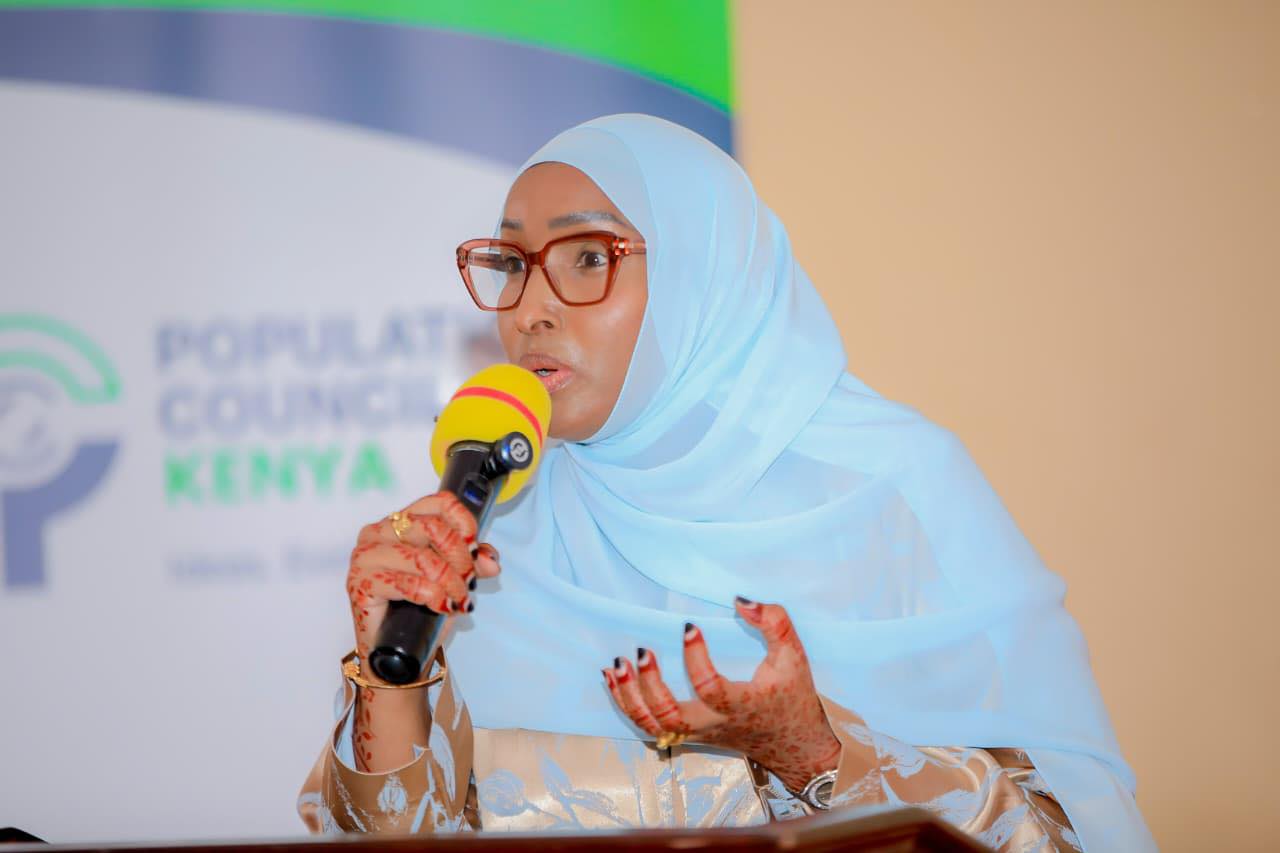
Wajir County First Lady Rukia Abdinasir on Tuesday pledged to sustain a decade-long programme supporting adolescent girls’ education and wellbeing after the closure of a donor-backed initiative that local leaders said helped keep vulnerable girls in school across the county.
The commitments were made during the close-out meeting and dissemination of results for the Adolescent Girls Initiative–Kenya (AGI-K) Programme, implemented in partnership with the Population Council and the Wajir County government since 2015.
The programme focused on promoting education, empowerment and wellbeing for adolescent girls in a county where poverty, early marriage, insecurity and limited access to education have historically contributed to low school retention among girls.
The First Lady, who attended the meeting as chief guest, said girls’ education remained critical to the county’s future and called for continued collaboration between communities and government institutions.
“When girls stay in school, they gain knowledge, confidence and opportunities that not only transform their own lives, but also strengthen families, uplift communities and shape a more prosperous future for generations to come,” she said.
She praised schools, teachers, parents, community health workers, chiefs and religious leaders for supporting girls to remain in school and said the county would continue supporting initiatives targeting adolescent girls.
The programme’s closure comes as counties in northern Kenya continue grappling with challenges affecting girls’ education, including school dropouts, poverty and limited social support systems in remote communities.
Mohamed Abdille, a public health official in Wajir County, said the programme relied heavily on existing government community health structures to identify and support girls who were out of school.
“This is a different model for Wajir,” Abdille said. “The girls who are out of school are found in the community, and where they are found, there is a community health promoter who is receiving a stipend from both the national and county governments.”
He said community health promoters involved in the initiative would continue supporting vulnerable girls even after the Population Council exits the programme.
“The county government will still continue because the community health promoters are already working within the government structure,” he added.
Integration
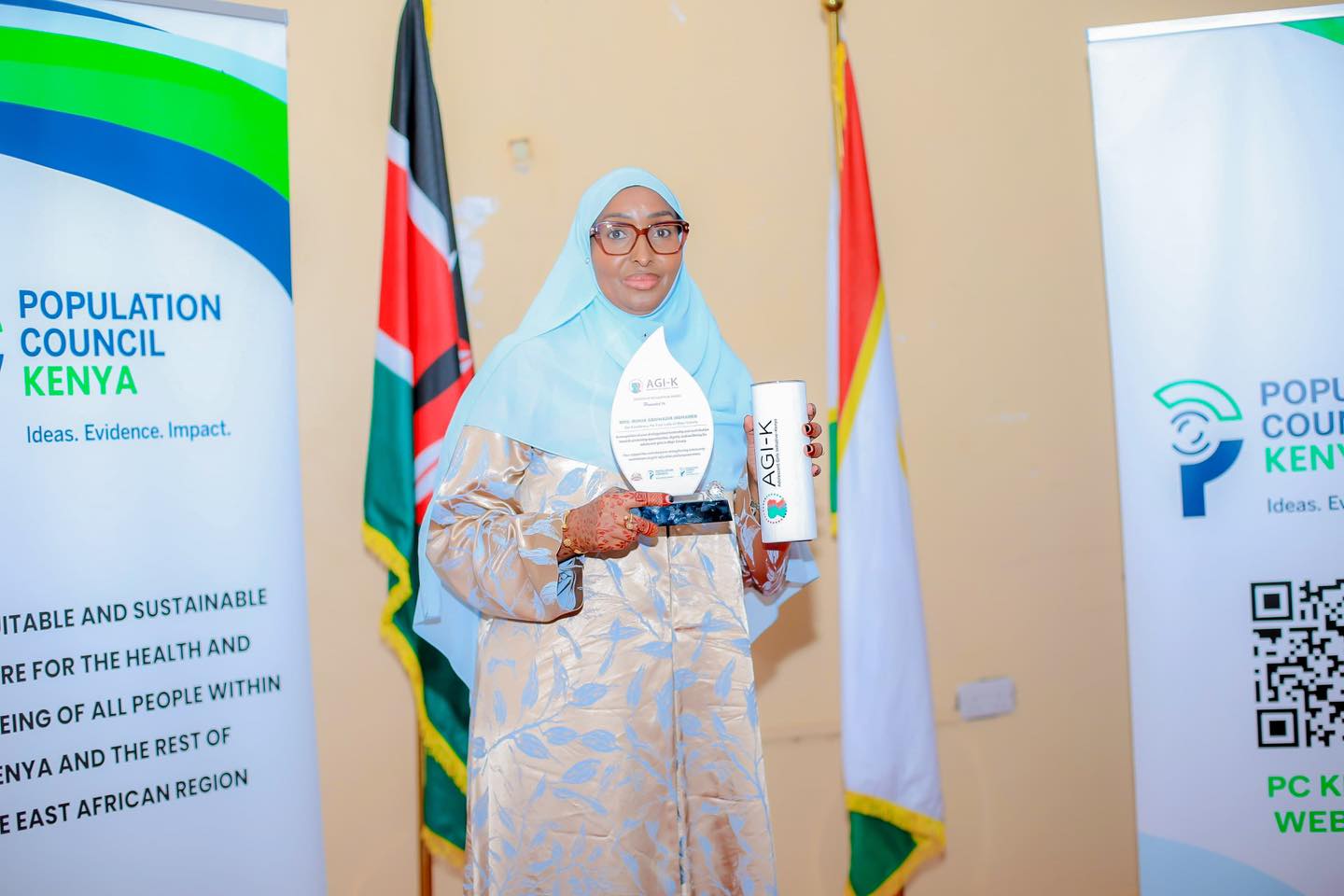 Officials said integrating the programme into existing county systems reduced implementation costs and improved sustainability.
A Population Council official said the programme had demonstrated positive results in cost-effectiveness and policy influence, particularly through the use of county government structures rather than parallel systems.
“One particular example is that we evaluated and realised that the cost-effectiveness when it comes to hosting the AGI-K is very high when implemented through county government structures,” the official said.
The official added that lessons from the programme had influenced broader social protection discussions nationally, including links to Kenya’s Inua Jamii programme.
Stakeholders at the meeting said the programme’s results had been embraced by different levels of government and development partners, increasing prospects for replication beyond Wajir.
Local officials, however, insisted the systems established over the past decade would remain in place, with community health promoters expected to continue tracking vulnerable girls and linking them to support services through existing government programmes.


