

By Staff Writer
Kenya is moving towards establishing a proposed Camel Centre of Excellence aimed at advancing research, improving productivity and expanding market opportunities in the camel sector, following a stakeholder validation workshop involving government institutions, researchers and development partners.
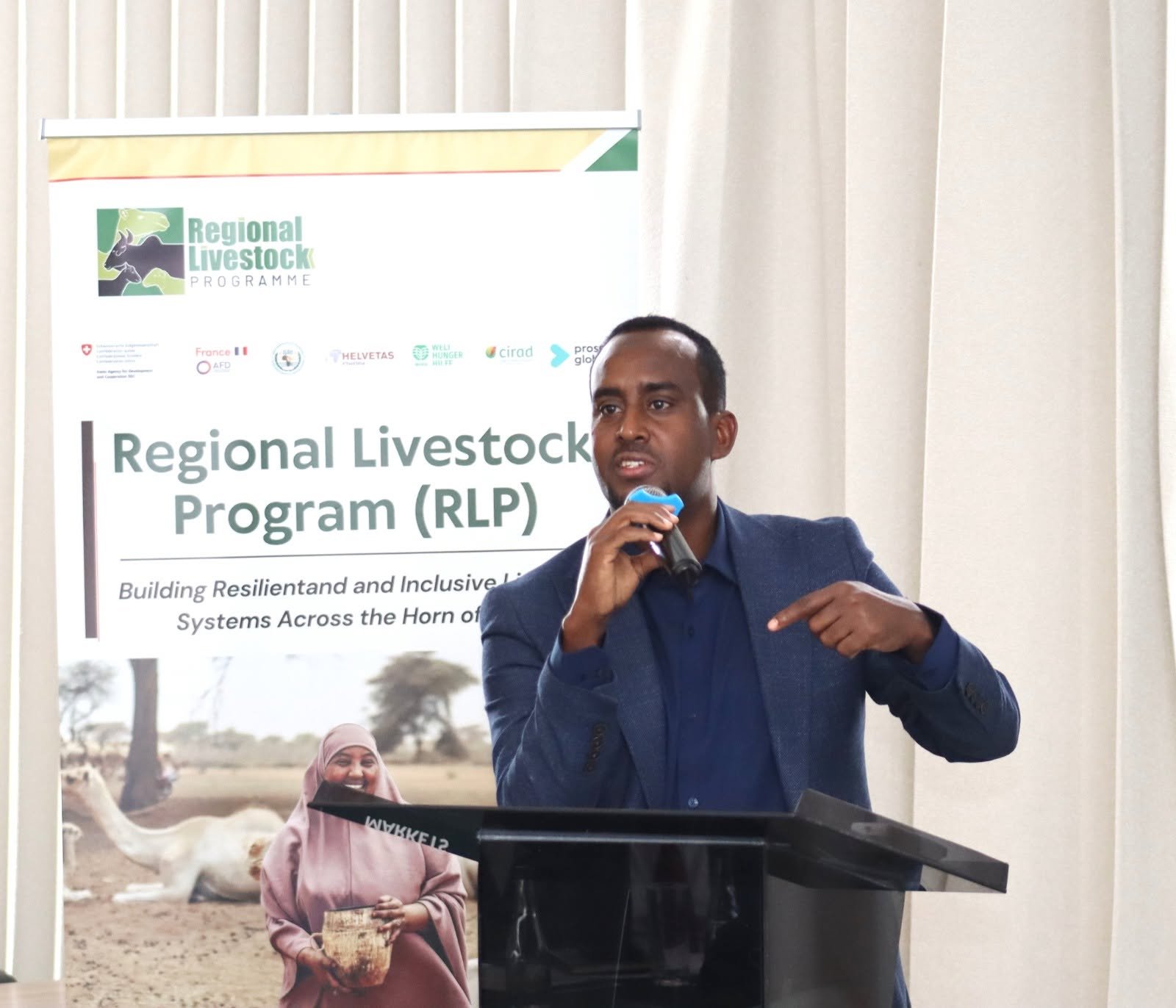
The workshop brought together the Drylands Learning and Capacity Building Initiative (DLCI), Prosper Global, formerly Mercy Corps Kenya, under the Regional Livestock Programme (RLP), the Swiss Agency for Development and Cooperation, the Dryland Observatory, and other partners to review a study and its recommendations for the proposed centre.
Hon. (Dr.) Adan Haji Yussuf, Mandera West Member of Parliament and thematic lead of the Pastoralism and Livestock Committee of the Kenya Pastoralist Parliament Group (PPG), called for the initiative to move beyond planning towards implementation.
The proposal was adopted as a key resolution of the 4th Pastoralist Leadership Summit held in Wajir in December 2024.
Yussuf reaffirmed the PPG’s commitment to championing the centre’s operationalisation, saying it could support research and innovation, improve camel productivity, expand market access and strengthen climate resilience among pastoralist communities.
The validation workshop marks a step in reviewing the proposed centre’s study and recommendations.
The centre’s proposed objectives are particularly relevant to pastoralist communities, where livestock production is an important part of rural livelihoods. Advancing camel research and productivity could help strengthen the sector, although the scale of any benefits would depend on the centre’s eventual design, funding, research priorities and implementation.
The initiative also comes against the backdrop of Africa’s prominent role in global camel production.
Eight African countries account for 79% of the world’s camel population, presenting an opportunity for Kenya to strengthen research, innovation and the contribution of camel production to pastoralist livelihoods and sustainable development.
The proposed centre could provide a platform for collaboration among researchers, government agencies, livestock-sector stakeholders and development partners.
Stakeholders at the workshop emphasised collective ownership, sustained collaboration and a shared commitment to turning policy into practice.
The next steps will be critical in determining how the proposal advances, including the adoption of recommendations, institutional arrangements, resource mobilisation and a clear implementation plan.
DLCI’s account did not provide details of the workshop’s final recommendations or indicate whether the participating institutions had made specific financial or implementation commitments.
The centre’s progress will therefore depend on whether the stakeholder discussions lead to concrete decisions, defined responsibilities and a timetable for establishing and operating the proposed facility.


