

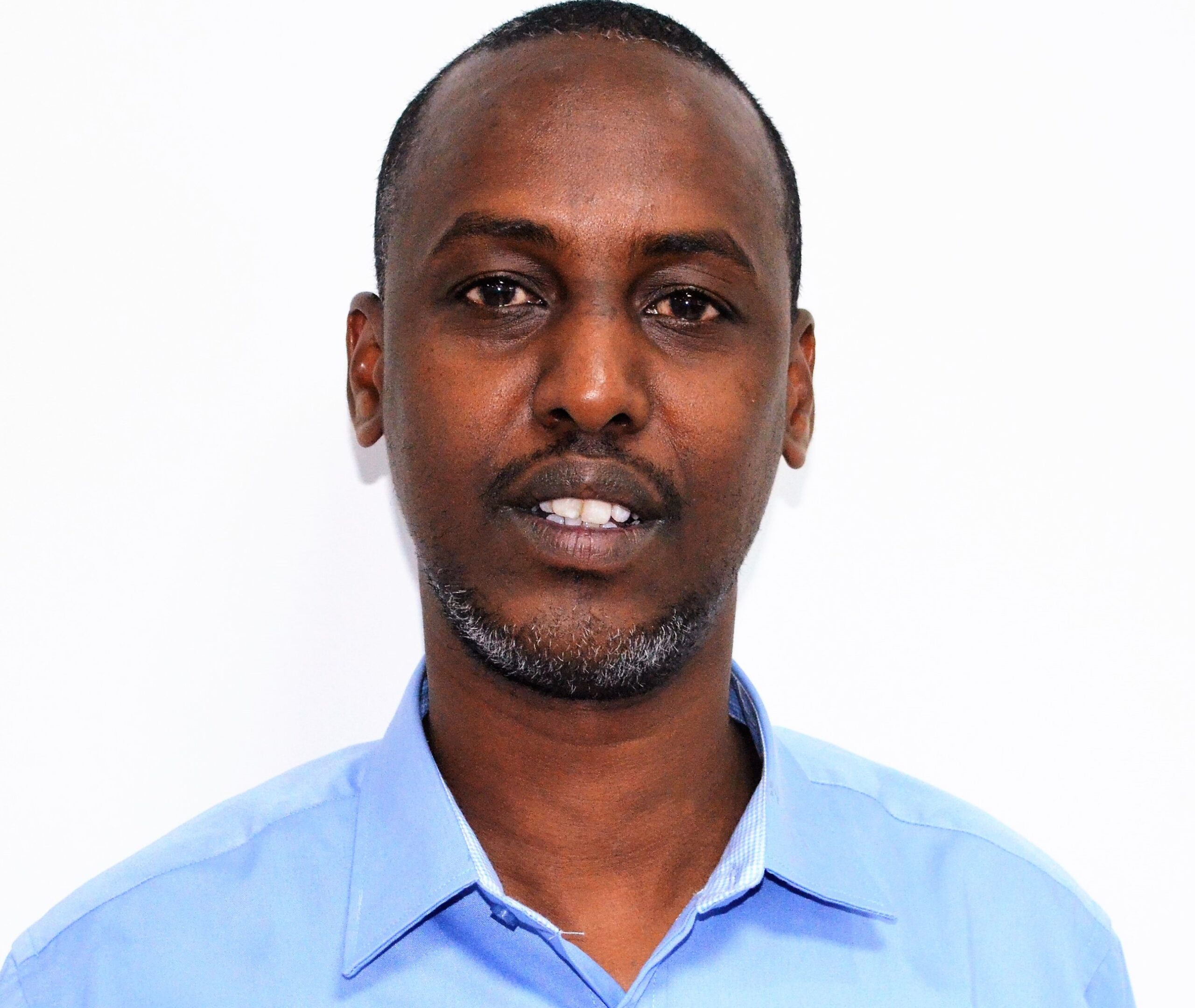
By Hassan Abdi Omar
The decision to hold Kenya’s 63rd Madaraka Day celebrations in Wajir was undoubtedly historic. For the first time since independence, one of the nation’s most important commemorative events was hosted in a region that has long occupied the periphery of Kenya’s political, economic and development landscape.
For many residents of Northern Kenya, the occasion symbolized recognition, inclusion and a long-awaited affirmation that they are an integral part of the Kenyan nation.
Yet, amid the celebrations, national attention and symbolism of the day, an important opportunity was missed. The voices of victims and survivors of the Wagalla Massacre were eclipsed and they were unable to formally present their memorandum on reparations to the President. This deprived them a rare opportunity to directly communicate their demands for attention at the highest level of government.
For many survivors and affected families, the event generated considerable hope and enthusiasm. More than four decades after the atrocities were committed at Wagalla in 1984, many expected that the occasion would provide a platform to advance the longstanding quest for truth, justice, acknowledgement and reparative measures.
The inability to formally present the memorandum therefore, represented a significant disappointment, particularly for a community that has spent decades seeking official recognition of its suffering and meaningful engagement with the State.
Nonetheless, President William Ruto’s apology on behalf of the Government of Kenya for the historical injustices associated with Sessional Paper No. 10 of 1965, African Socialism and Its Application to Planning in Kenya, marks a significant and commendable step.
The apology acknowledged the role of state policies that entrenched inequality, exclusion and underdevelopment in certain regions of the country, particularly Northern Kenya.
Such an acknowledgement carries profound significance. For decades, communities in Northern Kenya have argued that discriminatory policies, inequitable resource allocation and securitized governance structures contributed to their exclusion from the mainstream development enjoyed by other parts of the country. A public admission of these historical realities helps challenge decades of denial and silence.
From a human rights and reparations perspective, a formal state apology constitutes one of the internationally recognized forms of reparation known as satisfaction. Satisfaction measures seek to restore the dignity of victims through acknowledgement of wrongdoing, public apologies, truth-telling and the preservation of historical memory.
Such measures are vital because they validate the experiences of victims, affirm the suffering endured by affected communities and contribute to healing, reconciliation and national cohesion.
However, apologies alone cannot fully remedy the consequences of gross and systematic human rights violations. International standards on reparative justice recognize that comprehensive reparations must extend beyond symbolic gestures.
They should encompass a combination of measures, including financial compensation for victims and their families, rehabilitation through psychological and social support services, restitution where applicable and guarantees of non-repetition through institutional reforms, accountability mechanisms and legal safeguards.
For survivors and families affected by the Wagalla Massacre, the President’s apology should therefore, be viewed not as the conclusion of the reparations process, but rather as an important foundation upon which meaningful engagement, restorative justice and concrete reparative measures can be built.
Genuine reconciliation requires moving beyond acknowledgement to action. It requires the government to engage directly with victims, consider their demands and implement concrete measures to address the enduring social, economic and psychological impacts of violations committed more than four decades ago.
The significance of the Wagalla tragedy extends beyond the individuals and families directly affected. It remains one of the most painful chapters in Kenya’s post-independence history and continues to shape perceptions of state-citizen relations in Northern Kenya.
Addressing it meaningfully would not only bring justice to survivors but would also strengthen national unity by demonstrating that every Kenyan life matters equally and that historical wrongs can be confronted honestly and courageously.
As the nation reflects on the symbolism of hosting Madaraka Day in Wajir, it is important that the occasion be remembered not only for the excitements and speeches but also for the unfinished business of justice.
The President’s apology has opened a door that remained closed for decades. The challenge now is to ensure that this historic acknowledgement is followed by tangible action.
After more than forty years of waiting, survivors of the Wagalla Massacre are not merely seeking compensation. They are seeking recognition, dignity, closure and the assurance that future generations will never endure similar violations.
The pursuit of reparative justice is therefore, not only about correcting the injustices of the past. It is about restoring dignity, strengthening the foundations of a more inclusive, equitable and cohesive Kenya and reaffirming the principle that all citizens deserve equal protection, respect and recognition.
Only through meaningful engagement with victims and the implementation of comprehensive reparations can this historic moment be transformed from a symbolic milestone into lasting justice. Only then, can the long and painful journey toward closure begin for survivors and families who have waited more than four decades for acknowledgement, accountability and meaningful redress.
_________________________________________________
The views and opinions expressed in this article are solely those of the author and do not necessarily reflect the editorial position of Wajir Today. The article is intended to contribute to public debate and inclusive discourse. Any reference to individuals or events are made in good faith and in the public interest. To contribute articles to Wajir Today send your opinion ideas to newsroom@wajirtoday.co.ke


