

 By Azizah Abdullahi
Ramadan is a blessed month for us Muslims. It is also a special time for seeking authentic Islamic knowledge.
During Ramadan, our hearts are softer and our minds are calmer, this makes it easier for us to learn, understand, and grow. Seeking knowledge during Ramadan helps us become better Muslims and better human beings.
Allah elevates the people of knowledge when He says:
“Allah will raise those who have believed among you and those who were given knowledge by degrees.” (Qur’an 58:11)
Seeking knowledge during Ramadan takes on a unique spiritual dimension. The heart, softened by fasting, becomes more receptive to truth. The distractions of excess food, entertainment, and idle talk are reduced, creating space for learning that transforms character rather than merely informing the intellect.
The Messenger of Allah (SAW) emphasized the sacred status of seeking knowledge, saying:
[“Whoever travels a path in search of knowledge, Allah will make easy for him a path to Paradise.” (Muslim)]Ramadan provides countless “paths” to knowledge—through Qur’an recitation, tafsir, Hadith study, and reflection on Allah’s names and attributes.
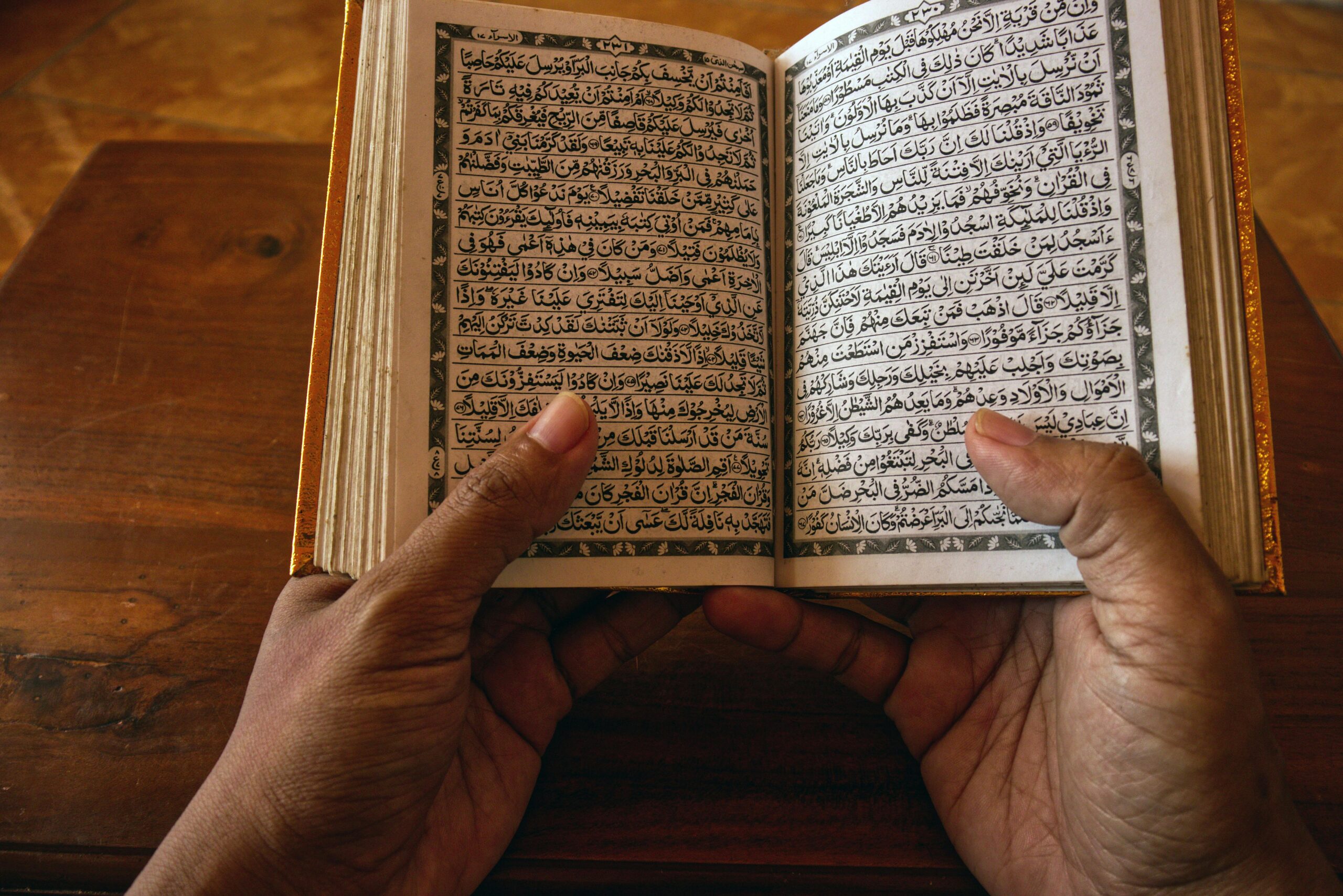
Revisiting the Qur’an during Ramadan is especially significant, as this is the month in which revelation descended. Many scholars recommended pairing recitation with understanding, so the Qur’an does not merely pass over the tongue but settles into the heart.
Seeking knowledge in Ramadan is not limited to formal study. Learning how to improve one’s character, strengthen family ties, or purify intentions is equally valuable.
Imam Al-Ghazali emphasized that knowledge without action can become a burden, while knowledge that leads to humility becomes light. Ramadan encourages believers to immediately act upon what they learn—whether by correcting a habit, renewing repentance, or increasing compassion.
Women and men alike are called to seek knowledge. The Prophet ﷺ dedicated specific time to teach women, affirming that learning is a shared obligation. He said:
“Seeking knowledge is an obligation upon every Muslim.” (Ibn Majah)
In Ramadan, this obligation becomes a gift. Short reminders after prayer, reading a few verses with reflection, listening to beneficial lectures, or teaching children about fasting and faith all become acts of worship. Knowledge shared sincerely multiplies in reward.
Importantly, seeking knowledge during Ramadan should be balanced and gentle. Overburdening oneself can lead to burnout. The goal is consistency and sincerity, not perfection. Even small daily learning, when paired with reflection, can reshape a believer’s spiritual trajectory.
Ramadan reminds us that true knowledge draws us closer to Allah, increases humility, and refines our character. When knowledge is sought for His sake, it becomes worship—and Ramadan becomes its most fertile ground.
One of the most important types of knowledge we seek during Ramadan is religious knowledge, many of us increase our reading of the Qur’an during this month, we do not only read the words, but we also try to understand their meaning. When we understand the Qur’an, we can apply its teachings in our daily lives. Ramadan helps us connect deeply with the message of Allah. This connection strengthens our faith and guides our actions.
We also attend lectures, listen to sermons, or join study circles during Ramadan, these activities help us learn more about Islam and we learn about patience, gratitude, kindness, and forgiveness. This knowledge is not meant to stay in our heads alone, it should reflect in how we behave toward others, when knowledge shapes our actions, it becomes truly valuable.
Seeking knowledge during Ramadan also includes learning about ourselves. Fasting teaches us self-awareness, we notice our weaknesses and strengths, we learn what triggers our anger and how we can control it, this kind of self-knowledge is very important as it helps us improve our character and grow spiritually.
Education during Ramadan is not limited to religious topics alone because we Muslims believe that all beneficial knowledge is valuable. Learning skills, improving our education, and gaining wisdom are also forms of worship when done with the right intention. When we study or teach others during Ramadan, we should do it sincerely, seeking Allah’s pleasure. Even simple learning, like reading a useful book or teaching a child, can be rewarding in this month.
Another important aspect of seeking knowledge during Ramadan is sharing what we know. Knowledge grows when it is shared. We teach our children how to fast, pray, and behave well, we remind each other about good deeds and correct mistakes gently.
Seeking knowledge during Ramadan also protects us from ignorance and wrong actions, it allows us to understand our religion better, and we are less likely to follow harmful practices, knowledge helps us worship correctly and live responsibly and it also helps us make better choices in our personal and social lives.
In conclusion, seeking knowledge during Ramadan is a powerful act of worship for us Muslims. Ramadan opens our hearts and sharpens our focus. It is the perfect time to learn about our faith, ourselves, and the world around us. Through reading, reflection, teaching, and learning, we grow spiritually and intellectually. When we seek knowledge with sincerity during Ramadan, we carry its light with us long after the month has passed.


