

By Staff Writer | Wajir Today | Sunday, 25 January 2026
Wajir County has taken a major step in institutionalising peace and conflict management, with new regulations to support the landmark Wajir County Peacebuilding and Conflict Management Act of 2024.
The move comes after years of effort to formalise a framework that brings together communities, county officials, and civil society organisations in the fight against local conflicts.
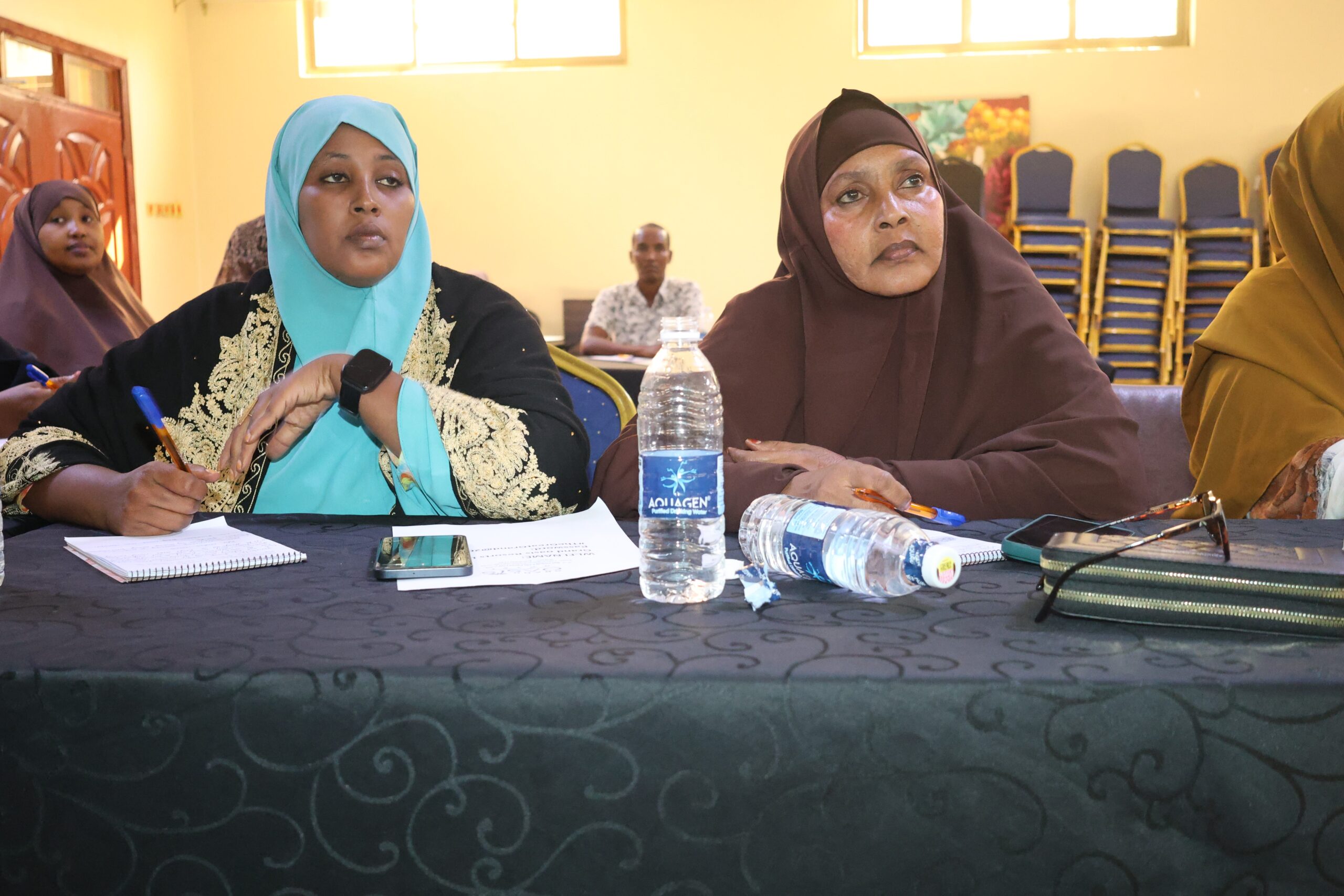
This week, Wajir Peace and Development Agency, together with the county government and Deris Wanaag partners, hosted a forum aimed at advancing the regulations.
“We are here to validate county peacebuilding and conflict management regulations that will boost the County Peace Act of 2024,” said Abdi Billow, a veteran peace champion.
He said the regulations clarify key areas, including the code of conduct for peace committees and the criteria for their nomination, selection, and election.
“In the next few days, the document will go to the cabinet for validation, and then to the County Assembly Peace Committee for approval. Only then will it be put into practical use,” he added.
The act, assented on 8th July 2024, lays out the framework for peacebuilding across Wajir, establishing organs such as the FCDC Peace Summit and County Peace Committees.
Its goals are to contribute to national peacebuilding efforts, mobilise resources, coordinate stakeholders, and support peace activities at the county, regional, and national levels.
The act also outlines structures from the grassroots up to the county level, defining roles, requirements, and principles guiding peace initiatives.
Institutionalising Peace
For Wajir County Director of Peace Building and Community Cohesion, Mr. Adan Abdi Ahmed, the regulations mark a critical step in operationalising the act.
He described the regulations as essential to formalising peace structures and filling gaps left by the act.
“The objective of the act was to put in place peacebuilding and conflict management infrastructure right from the grassroots to the county level. These regulations will now formalise the nitty-gritties of the act,” he explained.
The regulations will also address interactions with neighbouring counties, Isiolo, Garissa, Mandera, Marsabit as well as international borders with Somalia and Ethiopia.
“Since the act is silent about how we conduct ourselves with our neighbours, the regulations will form a platform through which such grey areas will be addressed,” Mr. Adan added.
Halima Bochola, a prominent Wajir County peace actor, says the regulations make work easy for peace actors and other stakeholders.
“We never had regulations for the act before. This time, implementation will be much easier,” she said
A Decade in the Making
Mr. Abdinassir Saman from Wajir Peace and Development Agency says the forum marks the culmination of a ten-year process.
“We started the first draft of the peace policy in 2015. It has gone through many stages, and now, through the support of Deris Wanaag, we are able to finalise it as an act,” he said.
He emphasised the importance of creating regulations to make the structures created by the act fully functional.
“We need regulations to operationalise these structures. It has been days of hard work to develop a document that will resonate well with the people of Wajir,” he said.
Wajir County faces unique security challenges, largely driven by its geographical location that borders Somalia and Ethiopia.
“Our main conflict arises from resource issues, particularly during droughts or partial rains when communities migrate in search of water and pasture,” Mr. Saman explained.
He stressed that internally, Wajir’s communities maintain generally peaceful relations.
“The communities living here have no major security threat among themselves. The challenge comes from pastoralists moving across counties seeking resources,” he said.
The regulations aim to provide a practical blueprint for peace operations in Wajir. They outline detailed mechanisms for coordination between peace organs and stakeholders.
“We’ve touched on many areas, from the code of conduct to nomination and election of peace committees. These regulations will make the act much easier to implement,” he said.
Mr. Saman echoed the sentiment, emphasising the long-term vision.
“This is about more than managing conflict; it’s about creating an environment where communities can thrive. With these regulations, Wajir is better prepared to prevent disputes before they escalate,” he said.
Once validated by the cabinet and the County Assembly Peace Committee, the regulations will become the operational guide for Wajir’s peace structures.


