

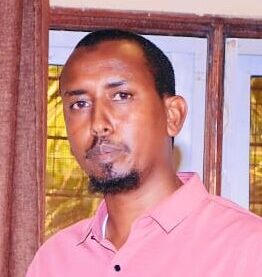
By Ali Mohamud Adan
Credit must be given where it is due. Former Deputy President Rigathi Gachagua has taken control of the Northern Kenya conversation by doing what many political actors have avoided openly, identifying the core issue.
In political terms, naming a problem is an exercise in leadership. His intervention struck a nerve, pushing North Eastern leaders out of their comfort zones and into a defensive posture.
When leaders spend their time justifying themselves, they stop shaping the debate and begin reacting to it. This shift alone signals a loss of agenda setting power.
This opinion piece is not anchored in approval or disapproval of the immediate former Deputy President as an individual. Rather, it revolves around the fundamental discussion he has placed before the public: acknowledging persistent shortages and visible underdevelopment, and clearly explaining which resources exist to address them and how those resources are being used.
By forcing this question into open discourse, he has exposed a leadership gap that had long been masked by quiet accommodation. Once such a vacuum is revealed, it demands answers grounded in accountability rather than emotional reactions or performative outrage.
People naturally gravitate toward accountability because it speaks to fairness, justice, and lived reality; communities want to understand why services fail and how that failure will be corrected.
Ironically, the strongest resistance to accountability often comes from those being asked to provide it. When leaders deflect, personalize, or react emotionally, it deepens public suspicion and reinforces the demand for clearer answers rather than silencing it.
The impact of this framing is evident online. A review of social media feeds dominated by Northern Kenya voices reveals a divided but revealing conversation.
Some citizens agree with former deputy president because his sentiment reflects daily realities they experience, while others reject his tone, intentions, or political history.
Yet even amid disagreement, the central issue is no longer being avoided. The conversation has shifted from whether problems exist to how they should be explained and resolved.
People openly observe that their Members of Parliament do not spend even five consecutive days in their Constituency offices to see the constituents.
Governors are widely perceived as distant figures who rarely engage directly with their electorates. County and constituency offices exist largely in name, with weak or inconsistent institutional presence on the ground.
Social media has become the space where long suppressed frustrations are articulated openly rather than quietly endured.
In some cases, we see our leaders being hosted in high end hotels in Northern Kenya, where they operate in elitist spaces while their constituents gather outside those hotels in an attempt to see them or raise pressing issues.
Instead of sitting in their offices and setting aside specific days to meet the public, leaders choose venues that are inaccessible to the very people they represent.
This raises serious concerns about how poor and ordinary citizens are treated in such spaces, particularly in terms of dignity and respect. It is an issue that deserves open and honest discussion.
If local leaders believe the former Deputy President’s narrative is misleading or unfair, the appropriate response lies not in rebuttals but in evidence.
Accountability must be demonstrated, not declared. A credible response would involve opening governance to scrutiny by showing how development budgets are allocated and spent, and by allowing reputable and independent media houses to document actual outcomes.
These include county supported model functional Early Childhood Development classes, accessible roads, and hospitals capable of serving citizens with dignity in different places within the counties.
Public frustration in Northern Kenya is not manufactured. It is rooted in enduring concerns that cannot be explained away: persistent misuse of public resources, limited physical presence of elected leaders in their constituencies, and a growing perception that some leaders spend more time in Nairobi than serving the communities that elected them, while continuing to draw heavily from public funds. These are governance issues, not personal attacks.
Whether through deliberate strategy or political instinct, the former Deputy President has succeeded in setting the agenda for Northern Kenya, that outcome alone reflects political awareness by design or by default.
Agenda-setting power belongs to those who define the questions, not those who merely respond to them. If Northern Kenya’s leaders wish to reclaim that space, they must move beyond defensive statements.
They must replace emotion with evidence, silence with transparency, and rhetoric with measurable results. Increasingly, local voices on social media appear ready for this level of scrutiny, signaling a public that is no longer satisfied with explanations but expects performance.
_________________________________
The views and opinions expressed in this article are solely those of the author and do not necessarily reflect the editorial position of Wajir Today. The article is intended to contribute to public debate and inclusive discourse. Any reference to individuals or events are made in good faith and in the public interest.
To contribute articles to Wajir Today send your opinion ideas to newsroom@wajirtoday.co.ke


2 Comments. Leave new
Great and on point. I also find the same leaders too busy in aligning themselves to the agenda and political formations of distant political kingpins this losing focus on the issues of their own region.
Great insight Ali, Kenya need to review and audit their leaders very objectively.