

By Abdullahi Jamaa
A public forum in Wajir town has brought into sharp focus a growing tension between civic duty and voter disillusionment, as a cross section of residents, debated the value of elections and the future of local leadership.
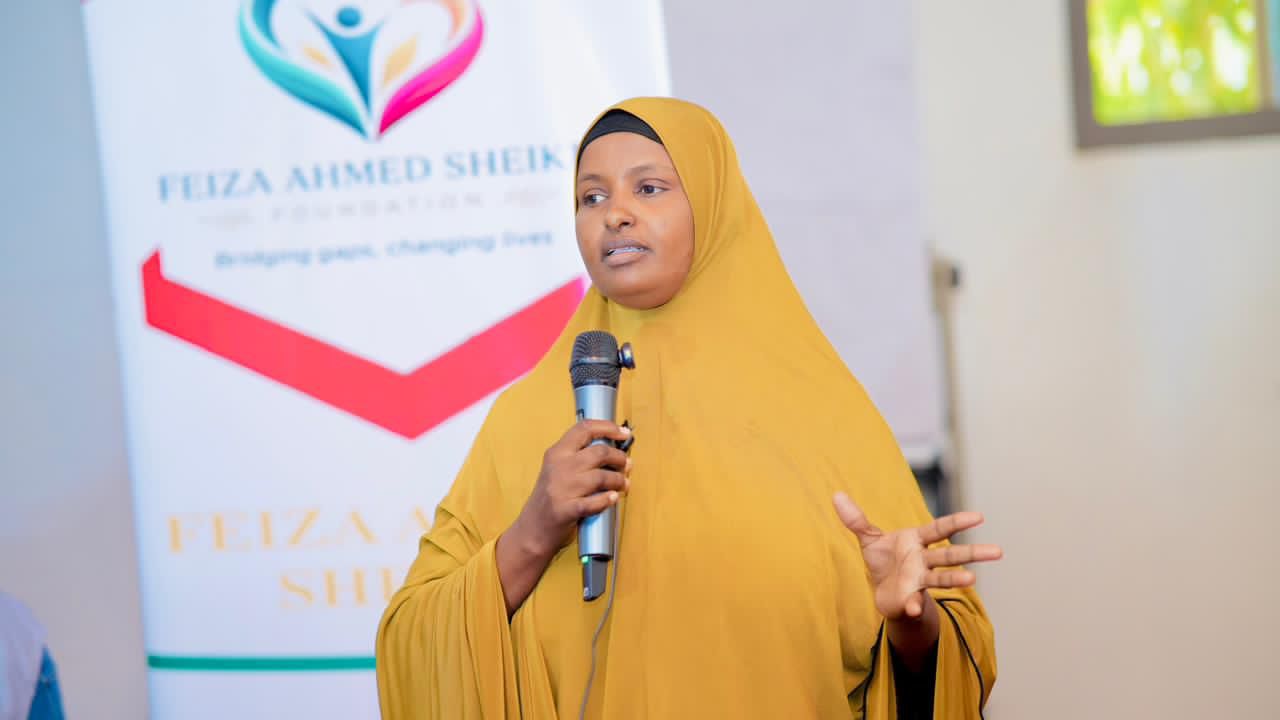
Convened by nominated Member of County Assembly and aspiring Wajir County Women Representative, Hon. Feiza Ahmed Sheikh, the meeting drew participants from all six constituencies, marking the first broad-based civic dialogue of its kind in the county.
At the centre of the discussions were familiar but pressing questions, why voting matters, how citizens can choose better leaders, and whether frustration with past leadership is driving people away from the ballot.
“It is a constitutional right for a citizen to get a vote and exercise that right which is democratic process,” Hon. Feiza told the gathering. “Today we are asking for your views as resident of Wajir. I have walked around speaking to the community members and they say we are tired of voting but why?”
Her question set the tone for a mid-morning candid exchange, where hope and frustration often collided.
For some residents, the act of voting remains a powerful tool for change, even if results have fallen short of expectations.
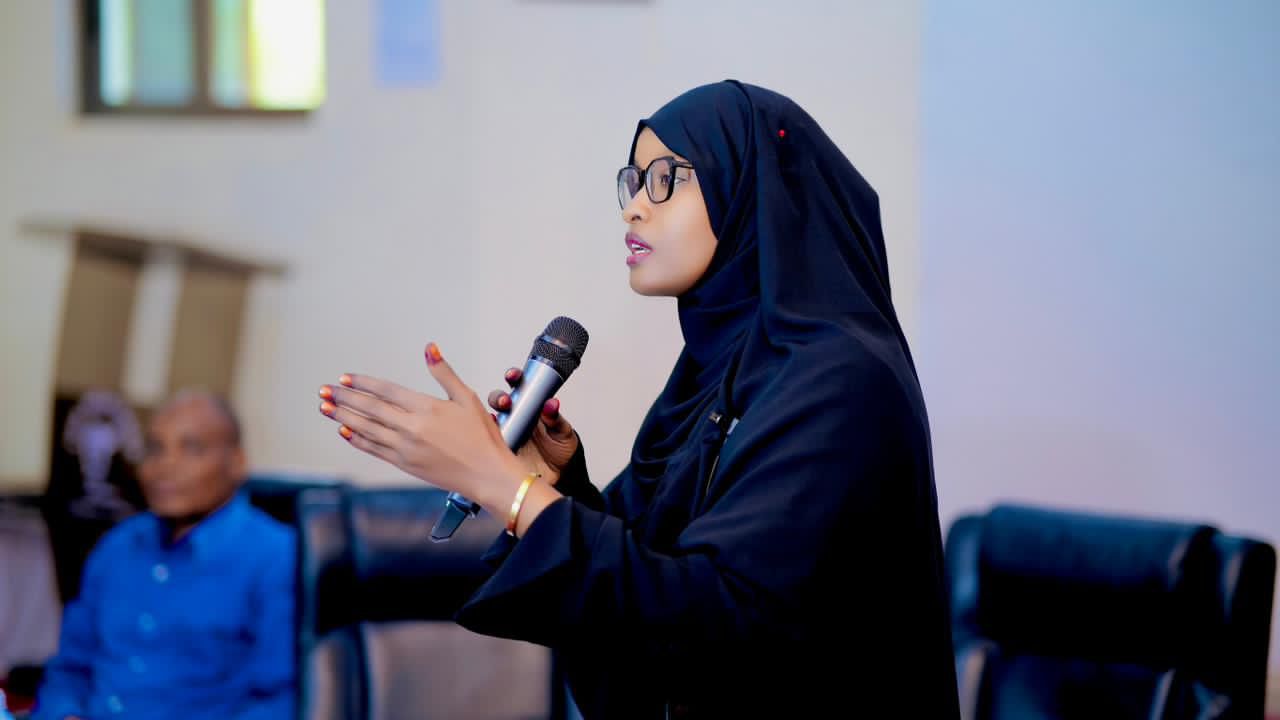
“I don’t agree with those people who have lost hope in voting,” said Amina Farah, a resident of Wajir. “It is okay, they are right, they are not seeing benefits of voting but we need to revenge through voting.”
Farah urged those considering boycotting elections to reconsider, framing participation as both a right and a form of accountability.
“I am advising those people who say they will not vote again to reconsider their stand and use their vote to bring in good leaders and remove bad ones,” she said. “Don’t sleep with your vote, use it for revenge.”
Her remarks captured a sentiment echoed by several speakers, that disengagement only deepens governance problems rather than solving them.
Good leadership
Yet, even among those committed to voting, doubts about leadership effectiveness were evident, particularly regarding the role of the County Women Representative.
“I was for the idea that the seats of Woman Representative and County Assemblies should be discarded because we are not feeling its impact for the past 15 years,” Farah said. “We expect them to be good leaders.”
She added a note of caution to aspiring candidates. “I would advise our ladies who are currently aspiring to be Women Representative to reconsider their ambitions, if they will be like the former ones that we have seen.”
The debate over the relevance of the Woman Representative position surfaced repeatedly during the forum. While some participants questioned its impact, others argued that the problem lay not in the office itself, but in how it has been executed.
Feiza acknowledged the mixed perceptions.
“As for the seat of Women Representative, it’s like it is not understood,” she said. “The community doesn’t understand the role of office of County Women Representative. Some say the seat is not even appropriate and should be discarded. Others are saying it brought some little development.”
Beyond institutional concerns, generational attitudes toward voting also emerged as a key theme.
Mzee Mumin Dahir, an elder from Wajir, expressed concern about growing apathy among young people, citing his own family as an example.
“We have people who have been voting for so many years but when you look at the current generation, they have lost hope in voting,” he said. “For example, I have my daughter who has completed high school in 2023. She has a new ID. I was advising her to go and register herself as a voter but she is refusing.”
According to Dahir, the younger generation’s scepticism is rooted in a perceived lack of tangible benefits from elections.
“She says she doesn’t want to register, there is no benefit of voting,” he said.
Still, he urged residents not to give up on the democratic process. “My advice to the people of Wajir, let’s not lose hope. We have come from far. Let’s be accountable.”
Responsible voting
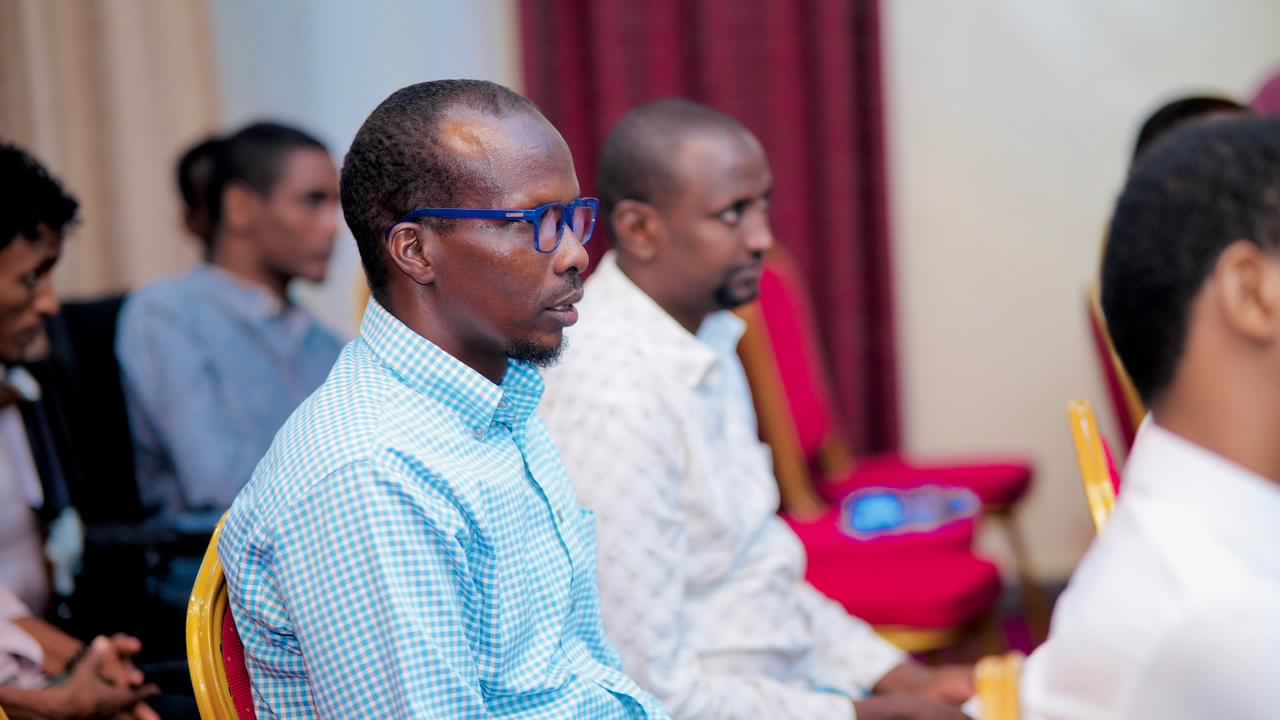
Among local community leaders, the emphasis shifted toward responsible voting and leadership accountability.
“I will be voting but the reason is to elect good leaders and to remove bad ones,” said Abdifatah Mohamed, Chairman of Soko Mjijna Traders.
He warned that failing to participate only allows poor leadership to persist. “If we don’t vote and sleep, leaders will still be elected.”
Mohamed called on voters to move beyond traditional divisions and focus on merit. “We need to vote by making good choices by checking the manifestos of leaders without using clan card. Let’s elect leaders based on their performance.”
At the same time, he challenged politicians to raise their standards. “I advise leaders to also stop empty promises and manifestos,” he said.
The issue of clan politics, long a sensitive topic in the region, was also addressed directly during the forum.
Human rights activist Fatuma Yussuf stressed the need for integrity and issue-based politics, warning that vote-buying and ethnic loyalties undermine democratic outcomes.
“My voice is my weapon and I will use it to elect the leader I want,” she said. “As Somali community, integrity is an issue that affects our leadership.”
She added that leadership should be grounded in service to residents rather than identity politics. “We need to do away with clan politics.”
Yussuf was particularly critical of voter apathy, linking it to broader governance challenges. “People who don’t want to vote are the cause of the problem we are facing today. They should make change,” she said.
She also took aim at the practice of selling votes. “If I sell my vote, I don’t expect any service from leaders because I have sold my vote and my integrity.”
Despite differing views, participants agreed that the future of governance in Wajir depends as much on citizens as it does on leaders.
For many participants, the forum itself was a sign of progress, a rare opportunity to openly question systems, challenge leaders, and reflect on collective responsibility.


