

By Abdullahi Jamaa
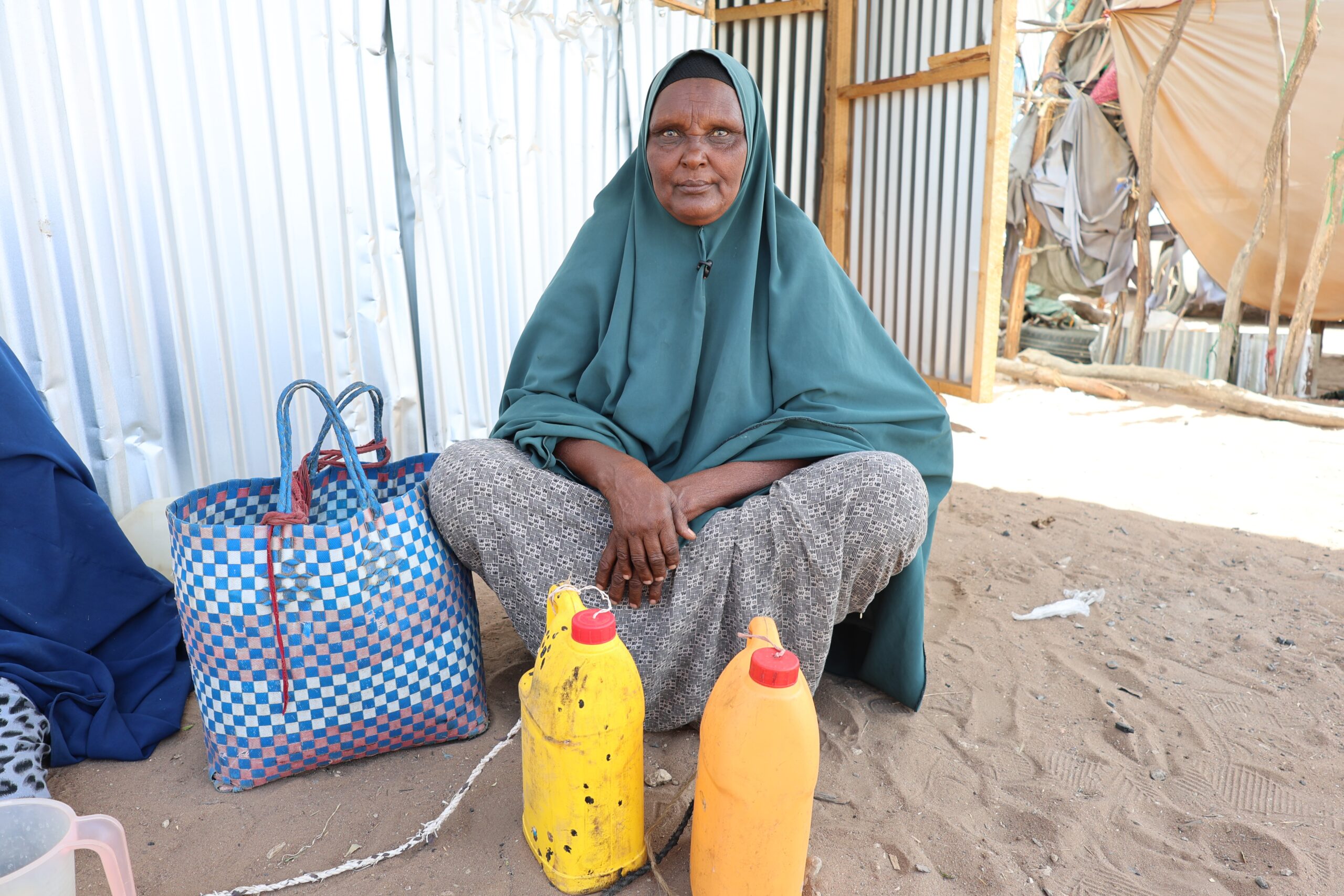
“God knows our affairs,” says Mama Harira Dore, a milk vendor at Wajir’s Qorahey Market.
It is business unusual at the Qorahey market as local traders brave the harsh realities of life amid worsening drought conditions in Wajir County.
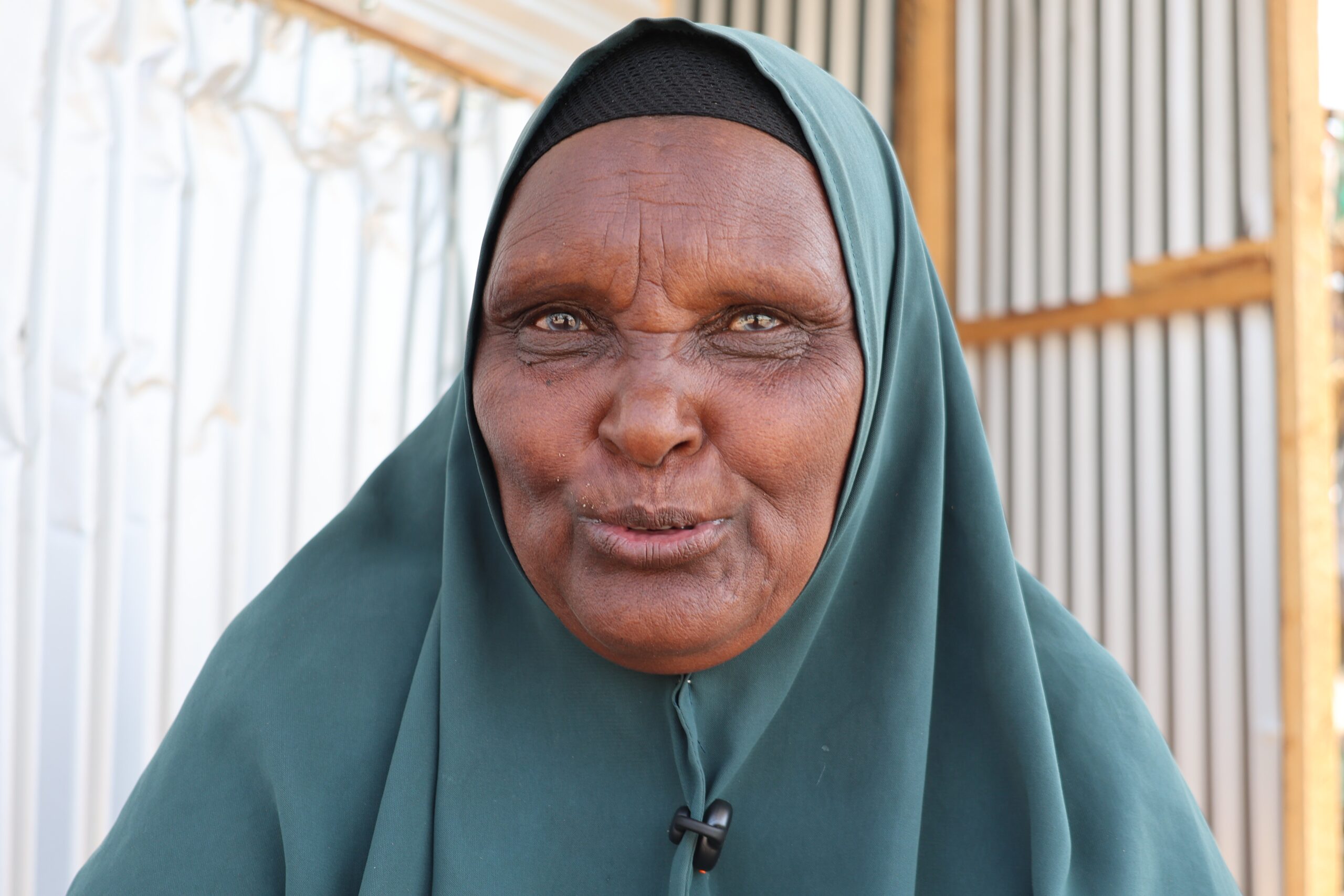
As gusts of dry wind sweep across the plain and barren Qorahey, milk vendors Mama Fatuma Mohamed and her colleague Mama Harira Dore wait patiently for their next supply of milk.
Unlike before, their supplies no longer come from nearby areas.
These days, the milk is transported from the far hinterlands of Bute in Wajir North Subcounty, nearly 200 kilometers from Wajir town.
That distance tells the story of how far herders have travelled during this harsh season, with some even crossing into neighbouring Isiolo County in search of pasture and water.
For Mama Fatuma, this long journey means uncertainty.
Her milk now arrives late in the evening, sometimes shortly before sunset, and in the worst cases, it does not arrive at all.
“We receive milk in the market very late in the afternoon,” Mama Fatuma explains. “Sometimes it becomes stale by the time it reaches us, and that is a loss for us.”
Livelihood
At around midday, when this writer caught up with them, the women, many of them ageing, were idling beside yellow, empty jerricans.
They waited quietly, praying that their milk would arrive in good condition.
The hot, blowing wind dried their faces and parched their lips, a visible sign of how successive seasons of failed rains have tormented both town dwellers and pastoralists.
In Wajir, livestock is not just a livelihood but the backbone of the local economy. An estimated 80 per cent of the county’s economy depends on livestock and livestock products.
This season, however, has grown increasingly tough, especially for milk vendors whose daily survival depends on a steady supply.
A single missed day of milk can mean returning home with empty pockets.
“We depend on supplies from herders,” Mama Fatuma says.
“But now even the herders themselves are struggling. It is hard for them to get enough milk for their own families, even for their tea.”
For the past two months, milk prices in local markets have risen sharply. As prices rise, vendors are forced to operate on shrinking profit margins.
“Before the drought, we used to sell a litre of milk for about KSh100,” Mama Fatuma says. “Now it has gone up to KSh150.”
Goat milk, a favourite among Wajir residents and a key ingredient for Somali tea, is no longer readily available.
Once common, it has become scarce, almost like a precious commodity, and far more expensive.
“Goat milk is not even available now,” Mama Fatuma observes. “And if it comes, it costs about KSh200 per litre.”
Beyond the rising prices, milk vendors are struggling to keep their informal businesses afloat. Most pay their bills in small instalments and rely on daily sales to survive.
With supplies dwindling, making a living has become increasingly difficult.
“We used to make a living when conditions were good and the seasons were favourable,” Mama Fatuma says again. “The drought has devastated the market.”
Hand to mouth
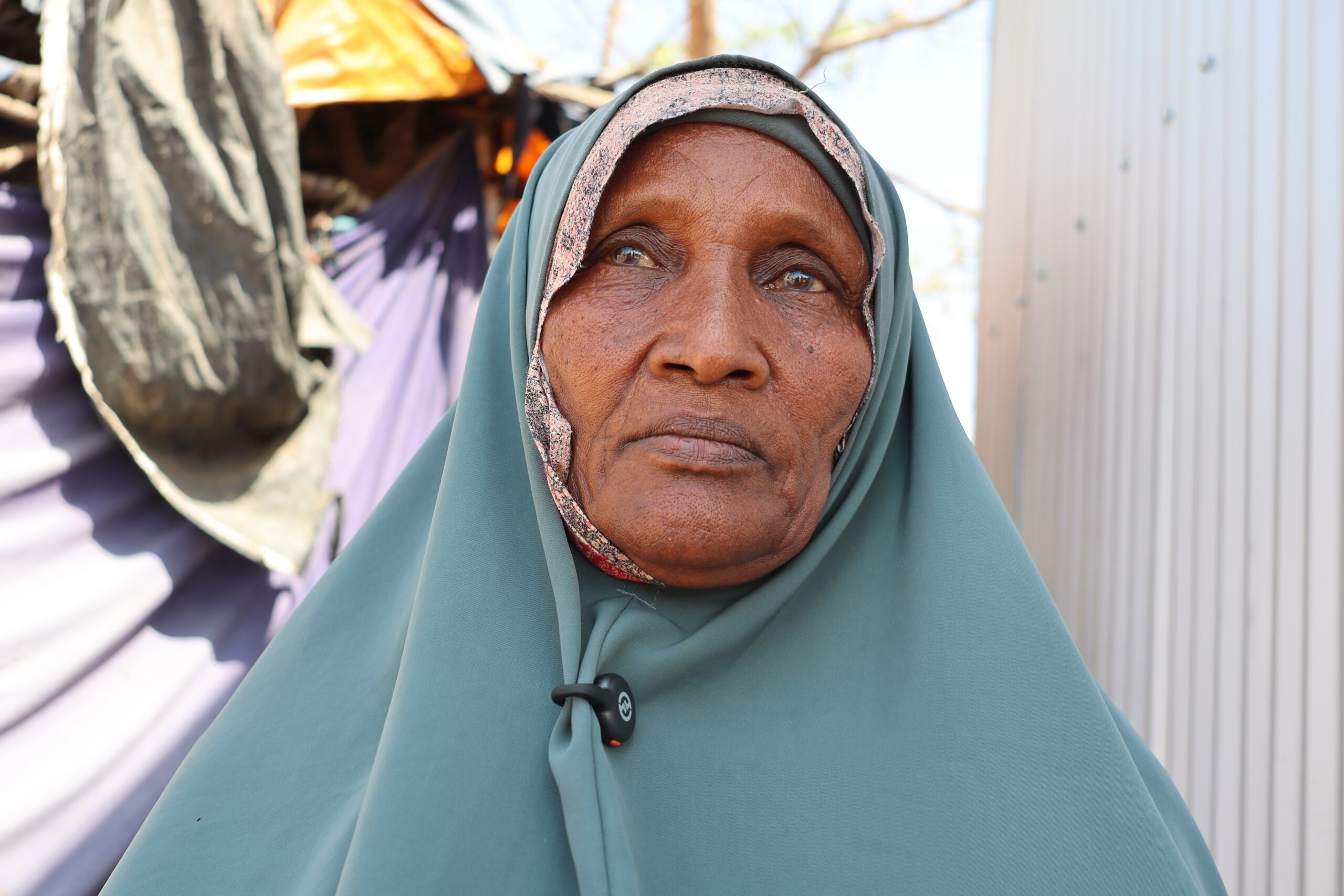
The story is the same for Mama Harira Dore, who has been in the milk business for many years.
“This business is hand to mouth,” she says. “With the lack of adequate milk in the market, we make very little to sustain ourselves and our families.”
At times, vendors make as little as KSh20 per litre, an amount barely enough to cover basic costs.
“With inadequate supply, it is hard to make a living and survive,” Mama Harira says. “This is especially difficult when many mothers here are feeding many mouths back home.”
She explains how quickly the small profits disappear.
“We make about 20 shillings from a litre. “From that, we buy milk bags and firewood to boil and preserve the milk. We remain with almost nothing.”
The situation, she adds, is dire.
“At best, one of us may receive ten litres to sell,” she says. “You can calculate how much that gives us at the end of the day.”
As the drought persists, the market can no longer sustain many of the vendors and their families. Some of these ageing mothers have been in the trade for decades.
Through their labour, many sons and daughters of Wajir have been born, raised, and educated using the modest proceeds earned from selling milk. Yet, despite their long contribution to the community, they remain largely unsupported.
With no meaningful investment or safety net from either the national or county government, their struggle continues quietly.
It is a painful reality that mothers who have carried a significant share of Wajir’s survival for generations now face the risk of losing their only source of livelihood.
“There is no other work that we can do, even if things get worse. “This has been our lifeline.” Mama Fatuma says.
Still, despite the hardship, the women press on with quiet resilience. They cling to hope, believing that relief will eventually come.
Moving forward with grace, they pray that the skies will open and their fortunes will change.
“We have a lot of hope in God,” Mama Harira says softly, lifting her hands up.


