

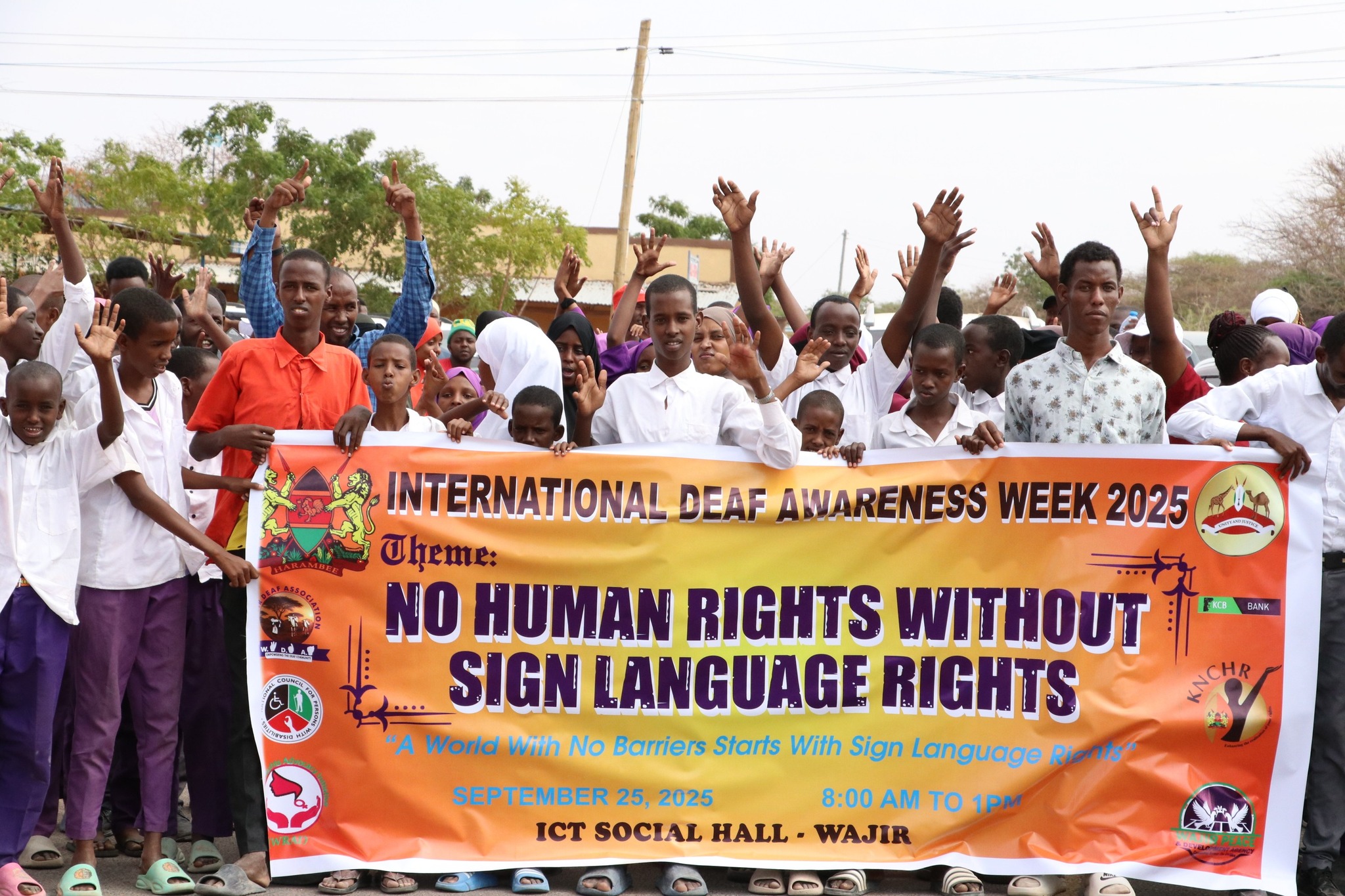
By Staff Writer | Wajir Today | Thursday, 25 September 2025
Members of the Deaf community in Wajir, joined by local partners and supporters, marched from the Municipality headquarters to the ICT Hall on Thursday to mark the International Day of Sign Languages and the International Week of Deaf People, observed this year under the theme “No Human Rights Without Sign Language Rights.”
The event was a rare chance to shine a spotlight on the barriers that keep the Deaf community on the margins of healthcare, justice, and education and to reaffirm the right to communication as a cornerstone of human dignity.
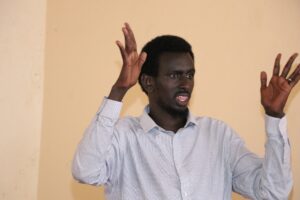
“Our goal today was to make sure we raise awareness,” said Mr. Mohamed Abdikadir, Chairman of the Wajir Deaf Association. “If we are sick and want to access health services, we face communication problems. Sometimes when a Deaf person is arrested, they are mistaken for having a mental disability. Every time we want to go to county offices, we get challenges”
His words echoed the daily struggles of many Deaf residents, struggles that often remain invisible until they boil into crises.
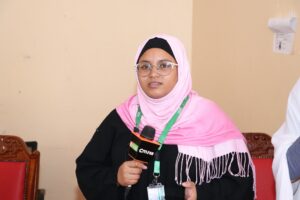
To drive home the message of inclusion, Ms. Fatma Said, a lecturer, reminded the audience that society’s strength lies in its diversity.
“Today is a special day to remind us that everyone communicates differently, and that is okay. What matters is us being patient, kind, and learning from each other. You are the future, and I believe you can help build a better one.” She spoke
Her call for patience and kindness resonated with the gathering, particularly young Deaf participants who have long faced stigma in schools and social spaces.
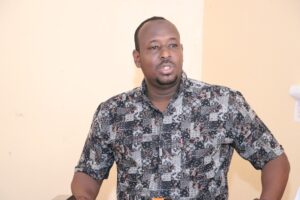
For Municipality Manager Mr. Omar Shano, the occasion was a chance to speak directly to families. Too often, he said, children born with disabilities are hidden away instead of being enrolled in school.
“One of the major challenges is communication. We need to inculcate sign language knowledge among educated members of our society,” he said. “When someone is born with some disability, parents fear to take them to school. But disability is not inability. We have seen many people with disabilities progress with their careers.”
His message was as much about breaking cultural barriers as it was about breaking communication ones.
The event’s keynote address was delivered by Mr. Joseph Etyang, Board Director of the National Council for Persons with Disabilities (NCPWD). His speech placed Wajir’s local struggles in the wider national and global context.
“The theme for this year, ‘No Human Rights Without Sign Language Rights,’ captures a simple but powerful truth,” he said. “Without accessible communication, there can be no true inclusion. Language is more than words, it is the gateway to education, healthcare, justice, and meaningful participation in society.”
Mr. Etyang hailed Kenya’s progress, pointing to the 2010 Constitution, which recognised Kenyan Sign Language as an official language, and the Persons with Disabilities Act No. 4 of 2025, which now mandates interpreters in hospitals, schools, and courts. The law also requires universities to teach Kenyan Sign Language as a unit, ensuring future generations are better equipped to engage inclusively.
“These legal provisions are not just policies on paper,” he stressed. “They are promises of a future where every Deaf Kenyan can access services, opportunities, and justice without barriers.”
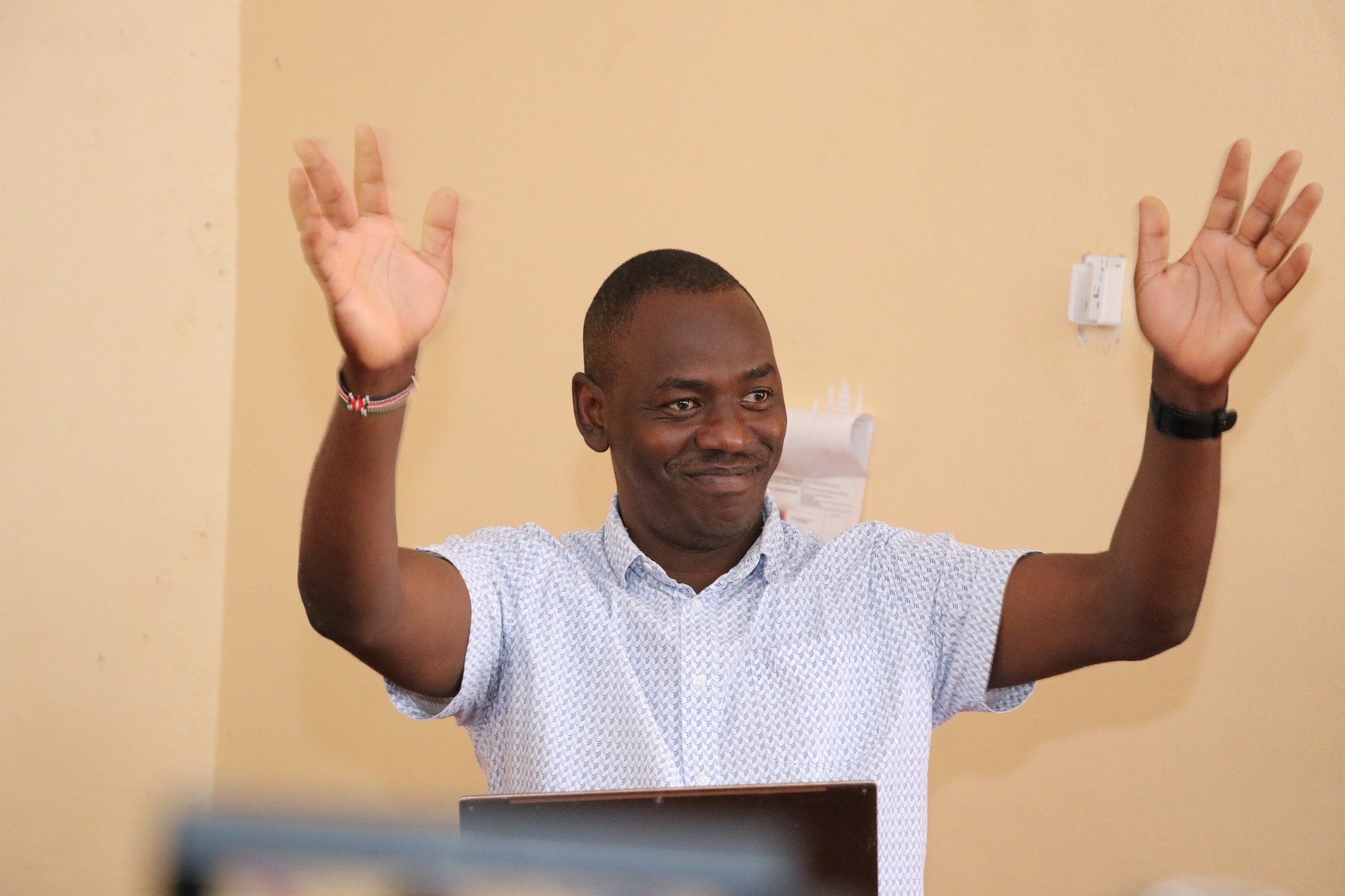
Mr. Etyang also commended Wajir County for allocating KSh 40 million towards disability-inclusive projects, including bursaries, cash transfers for persons with severe disabilities, and enrolment of children with disabilities into the Universal Health Coverage programme.
“This is a practical example of how devolution can bring services closer to the people while ensuring that persons with disabilities are not left behind. These initiatives are a clear demonstration that inclusion is not charity, it is a fundamental right” he said.
He further noted that over 3,500 government workers, from doctors to police officers have been trained in basic sign language, transforming service delivery for the Deaf.
Still, challenges remain. “There are Deaf children struggling to access quality education. There are patients unable to communicate with healthcare providers. There are court cases delayed or dismissed simply because interpretation services are unavailable,” Mr. Etyang observed.
He ended with a challenge to ordinary Kenyans: “Even learning a few signs is an act of inclusion, a statement that you see and value the Deaf community as an integral part of our nation.”
For the Deaf community in Wajir, the day was not simply about parades or speeches. It was about visibility, respect, and a chance to be heard. As the crowd dispersed from the ICT Hall, the words of Mr. Abdikadir lingered as a reminder:
“It’s good for people to learn sign language so that you can communicate with the deaf. Communication is real challenge”
In that spirit, Thursday’s celebration became more than an annual commemoration, it was a call to action for Wajir, and for Kenya, to ensure that the rights of the Deaf are not only recognised in law but felt in everyday life.


4 Comments. Leave new
Wajir
I am deaf, international awareness deaf Wajir community
Thank you, kindly am deaf in wajwajir county
ibrahimabdiaziz660@gmail.com