

Wajir County is preparing for tough months ahead as both climate scientists and traditional weather forecasters warn that the upcoming Deyr season will bring below-average rainfall.
The October–December short rains, which are vital for pastoralist communities, are expected to be depressed, raising fears of worsening food insecurity, water shortages, and heightened conflict over scarce resources.
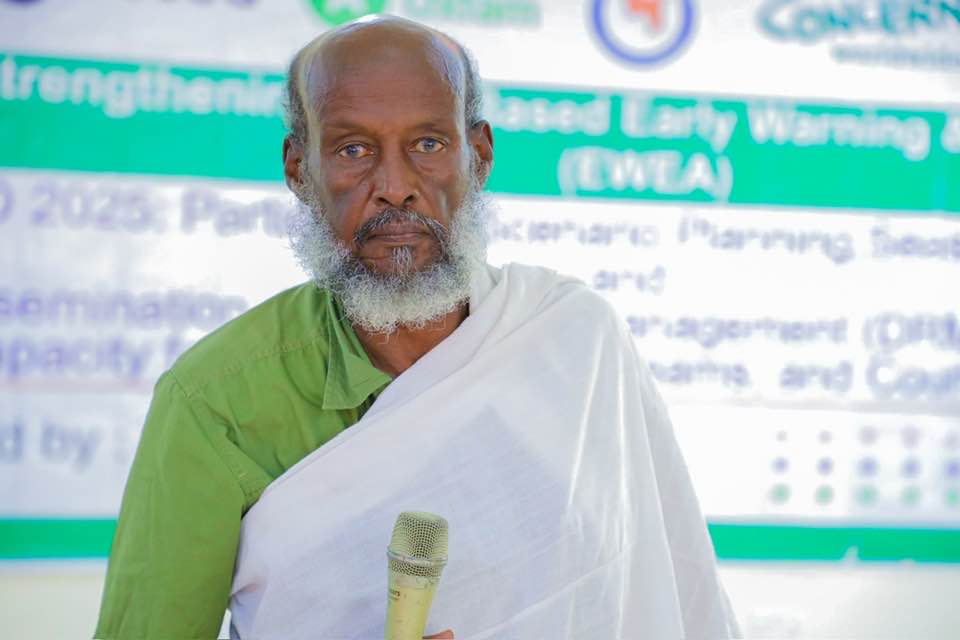
Eldas Sub-County hosted a Participatory Scenario Planning (PSP) workshop bringing together the Kenya Meteorological Department (KMD), county officials, and respected traditional weather forecasters.
The forum aimed at harmonising scientific and indigenous knowledge to help local communities plan for the challenging season.
According to the Kenya Meteorological Department, the October–December rains in the northeast, southeastern lowlands, and parts of the Coast are expected to fall below the long-term average.
Experts warned that rainfall will be poorly distributed both in space and time, with prolonged dry spells likely to occur.
“These areas are expected to experience occasional rainfall during the season. However, the total rainfall amounts are likely to be below normal. Prolonged dry spells and erratic distribution will pose major risks to communities that rely heavily on rain-fed livelihoods,” read the latest short-rains forecast by the department.
The scientific outlook aligns with predictions from traditional weather experts led by Mr. Abdinoor Ali Khansoy, a renowned forecaster in Wajir.
Using methods rooted in cultural knowledge including star patterns, clouds and animal behaviour, Khansoy predicts that the short rains may fall below normal.
The integration of indigenous knowledge with scientific data is being seen as a key strategy for boosting resilience among pastoralist households.
By blending both systems, experts believe communities will be better equipped to plan for water storage, livestock management, and food security measures before the worst effects set in.
For Wajir’s livestock keepers, the implications of a depressed season are grave. Reduced pasture and scarce water resources will force herders to trek long distances in search of grazing. Such movements are expected to weaken livestock body condition, increase mortality, and reduce milk and meat production.
The Kenya Meteorological Department further warned that environmental pressures such as overgrazing could worsen land degradation. Water shortages and the use of contaminated sources may trigger outbreaks of livestock diseases including Foot-and-Mouth Disease and tick-borne illnesses.
“Food insecurity will worsen as livestock productivity declines, while conflicts over dwindling resources may intensify” say the MET department in the report
Wajir, like much of northern Kenya, depends heavily on livestock rearing as the backbone of the economy. The depressed Deyr season comes at a time when the region is still recovering from the effects of previous droughts and erratic weather patterns linked to climate change.
With both science and tradition pointing in the same direction, communities in Wajir now face the urgent task of bracing for a lean season.


