

By Staff Writer | Wajir Today |Tuesday, 28 October 2025
The debate over how to regulate miraa and other substances in Wajir intensified on Tuesday as the County Assembly’s public participation on the Miraa and Other Substances Control Bill, 2025, entered its second day.
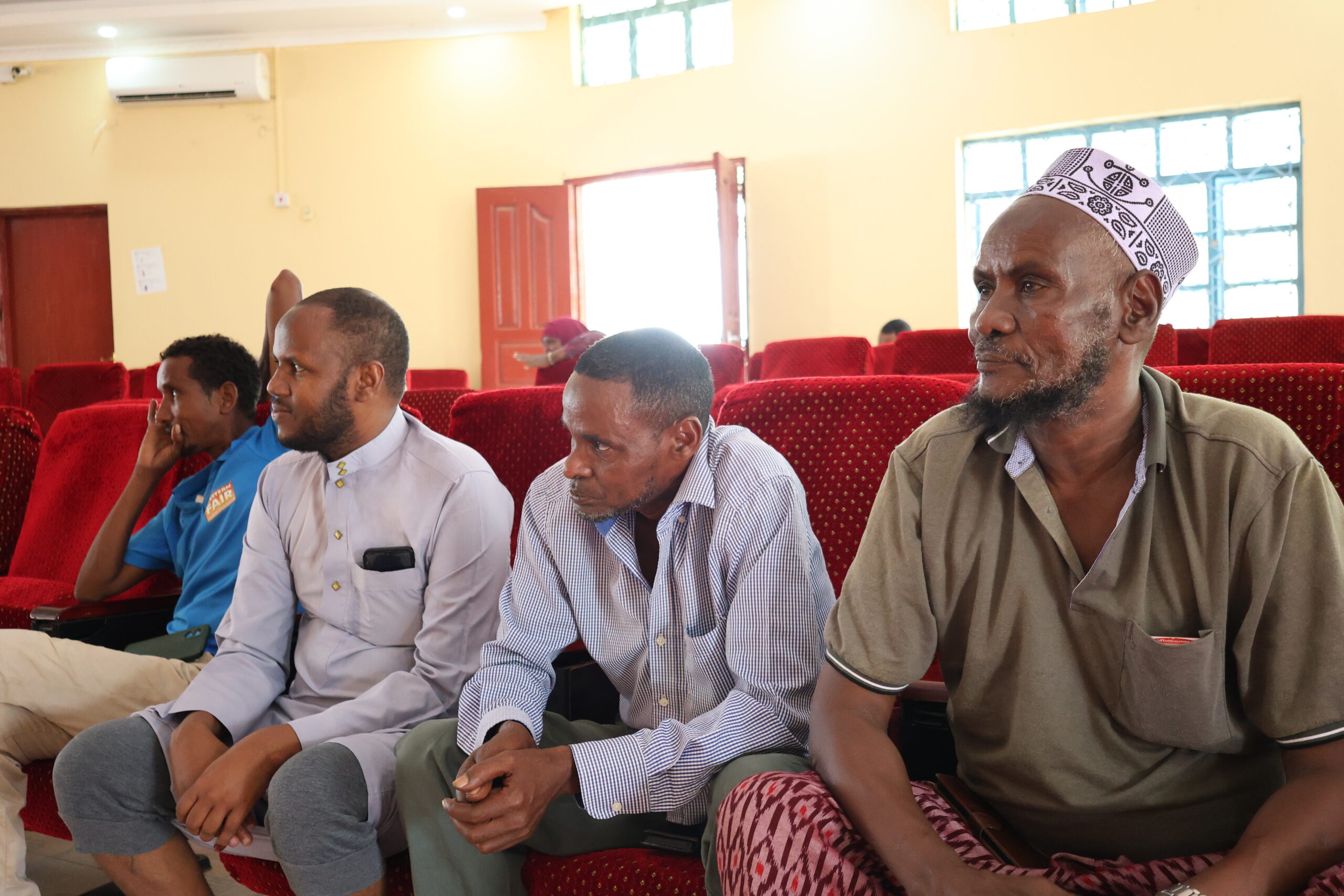
The session drew miraa traders in a spirited discussion that underscored the complexity of balancing public health and economic livelihoods.
Held as part of the Assembly’s effort to gather public views, the session provided an opportunity for residents to air their opinions on a proposed law that seeks to introduce tighter control on the sale, distribution, and consumption of miraa and related substances within the county.
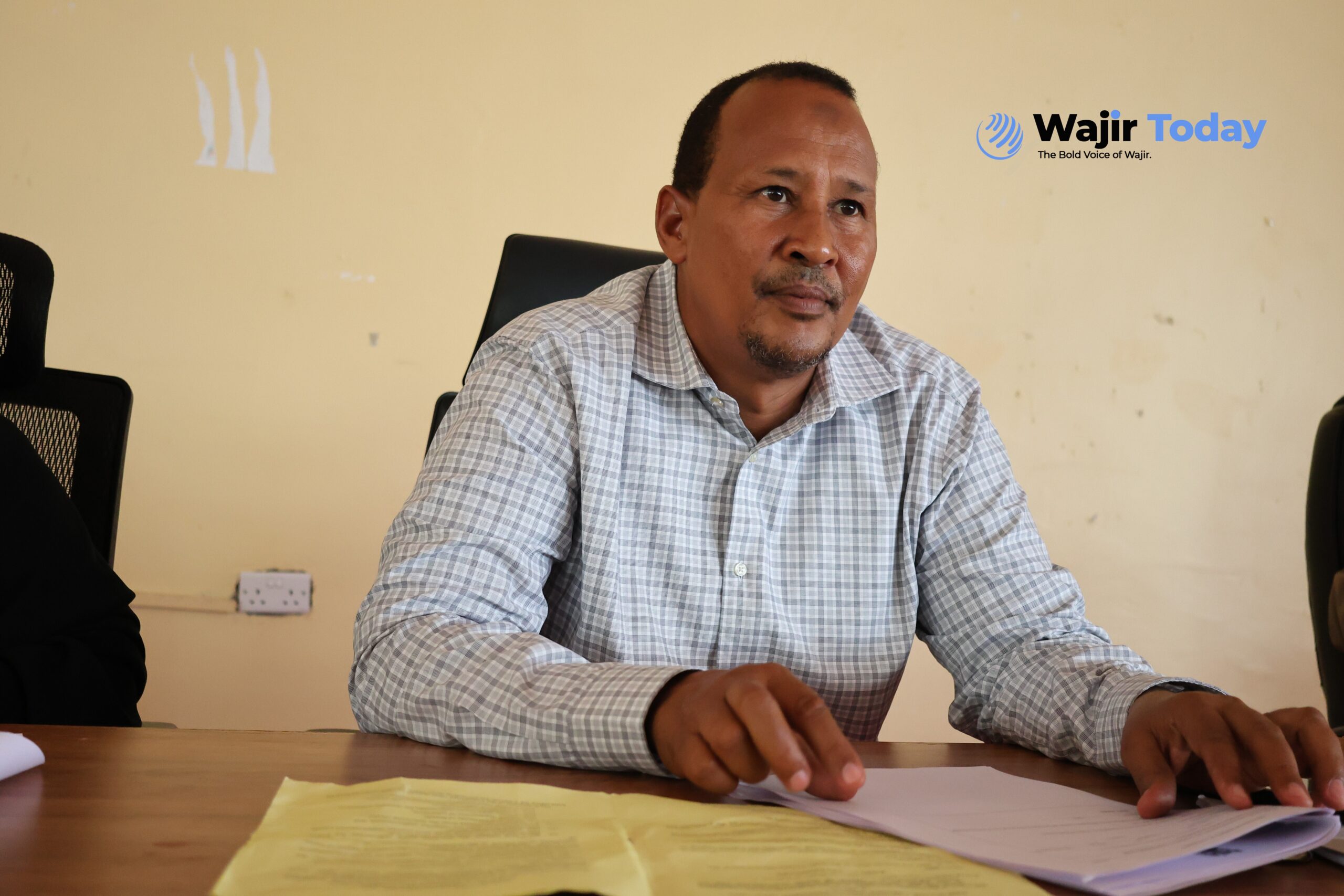
Addressing local media, shortly after the session with Miraa traders, Hon. Aden Bulle, the Member of County Assembly for Waberi Ward, explained that the proposed legislation had already passed its first reading in the County Assembly and was now undergoing the mandatory public participation stage before its second and third readings.
“This Bill mainly dwells on Miraa and other substances that affect our youth,” Hon. Bulle stated. “It outlines ways to control miraa and drugs”
According to Bulle, one of the key provisions of the Bill is the zoning of miraa trade, requiring the county government to designate specific areas for the sale and distribution of the stimulant.
Negative influence
The proposed law also bans miraa sales near learning institutions and places of worship, including mosques, as a safeguard against exposing minors and religious spaces to the negative influence of substance use.
“If this Bill goes through, it will bring immense benefits to the community,” Bulle noted. “It will create framework for managing and controlling the sale of miraa and other substances that have been contributing to youth addiction. We are facing high unemployment rates, and this situation has worsened substance abuse”
The Waberi legislator added that the Bill aims to provide structure and accountability within the miraa trade, a sector that has remained largely informal despite its growing social and economic impact.
Miraa distribution
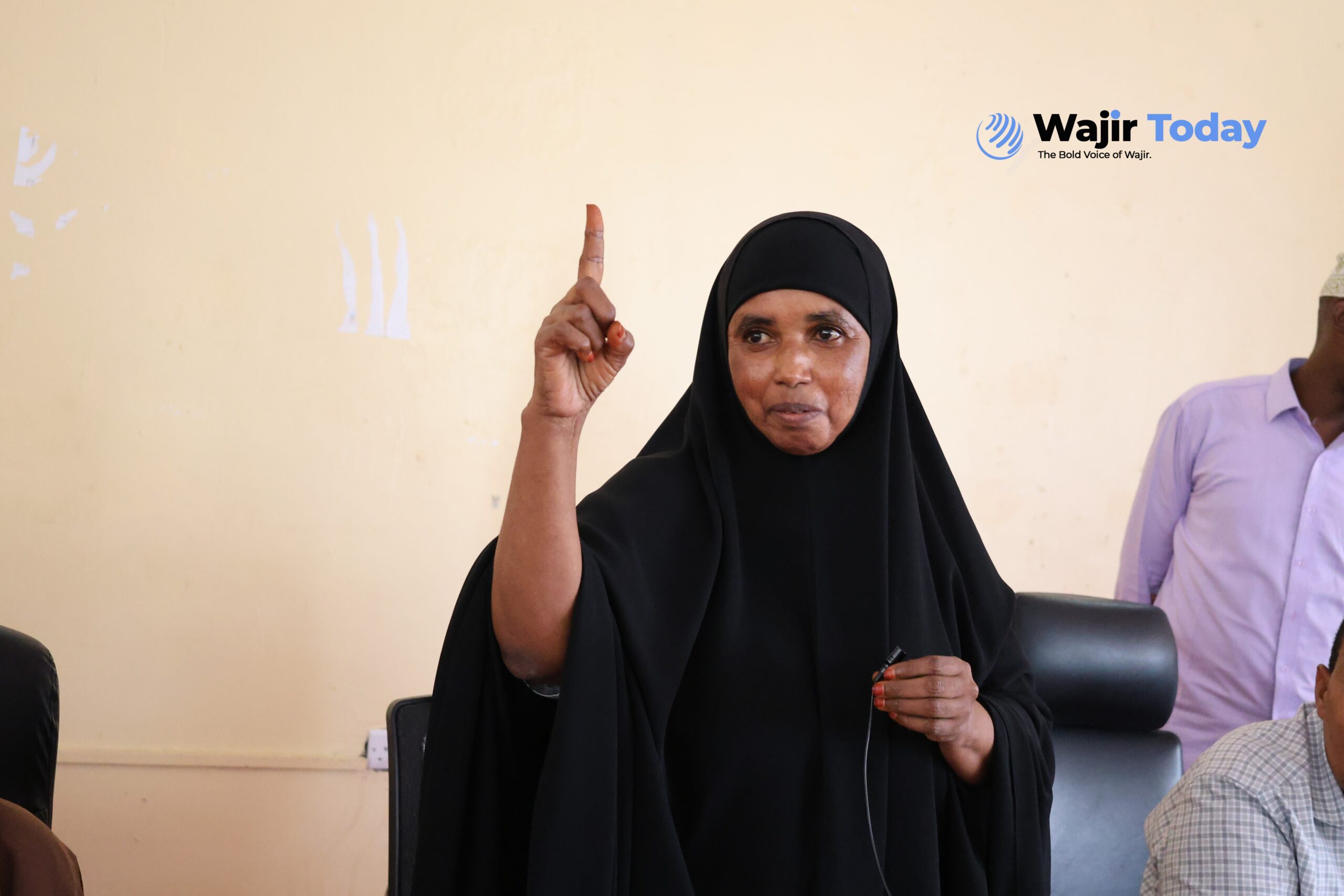
Hon. Maryan Abdikheir, Vice Chair of the County Assembly Committee on Culture, Gender and Community Service, echoed similar sentiments, emphasising that the Bill’s goal was to introduce order and control rather than to criminalise the miraa business.
“The Bill is about establishing control measures to address community concerns,” she said. “It does not seek to shut down the miraa trade but to ensure that it operates in a responsible and regulated manner.”
She highlighted that, under the proposed law, all miraa distributors and retailers will be required to obtain operating licences, and trading will only be permitted in areas specifically designated by the county authorities.
“The Bill also proposes that a miraa trader should not sell other items such as food in the same premises,” Hon. Maryan added.
In addition to miraa, the Bill also addresses the sale and consumption of other harmful substances, a growing concern among community members.
Maryan underscored that the legislation was part of a broader county effort to promote social responsibility and curb the escalating rates of drug abuse, particularly among young people.
Traders Voice
The session also provided a platform for miraa traders to share their views, with some expressing cautious support for the Bill while urging the County Assembly to consider the realities faced by those who depend on the trade for survival.
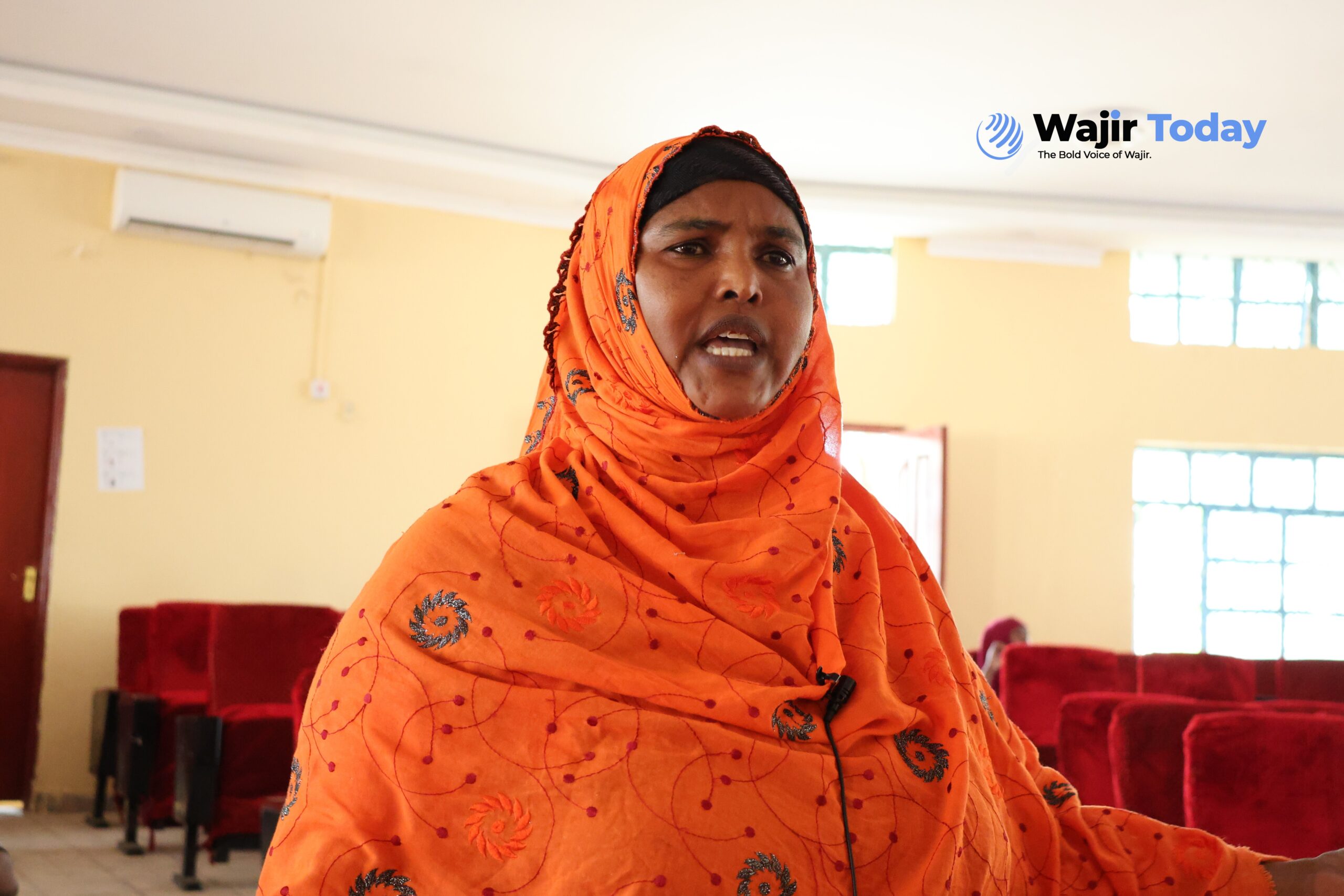
Among them was Ms. Saadia Abdille Maalim, who welcomed the Bill’s intention to regulate the business but raised concerns about fairness and enforcement.
“We support this public participation and the proposed miraa bill,” she said. “We only sell miraa and water. We have no problem with designated distribution points.”
Saadia, however, drew attention to the growing problem of a cheap and readily available miraa variety known locally as Mokhokaa, which she claimed was fuelling youth consumption.
“We need to deal with the type called Mokhokaa because it is very cheap and easily accessible to children,” she said. “Other varieties are more expensive and are mostly bought by adults, but this one is contributing to a rise in underage use.”
Her remarks resonated with several participants, highlighting the delicate balance between protecting livelihoods and safeguarding the community from the social harms associated with uncontrolled substance use.
The Miraa and Other Substances Control Bill, 2025, has stirred significant public interest in Wajir, where miraa remains an economic lifeline for many families.


