
By Staff Writer | Wajir Today | Thursday, 13 November 2025
Stakeholders from Wajir County have called for heightened vigilance against harmful cultural practices during the current long school holidays.
The appeal comes as activists expand the anti-FGM campaign across the vast county in an effort to protect young girls from the cruel and outdated practice.
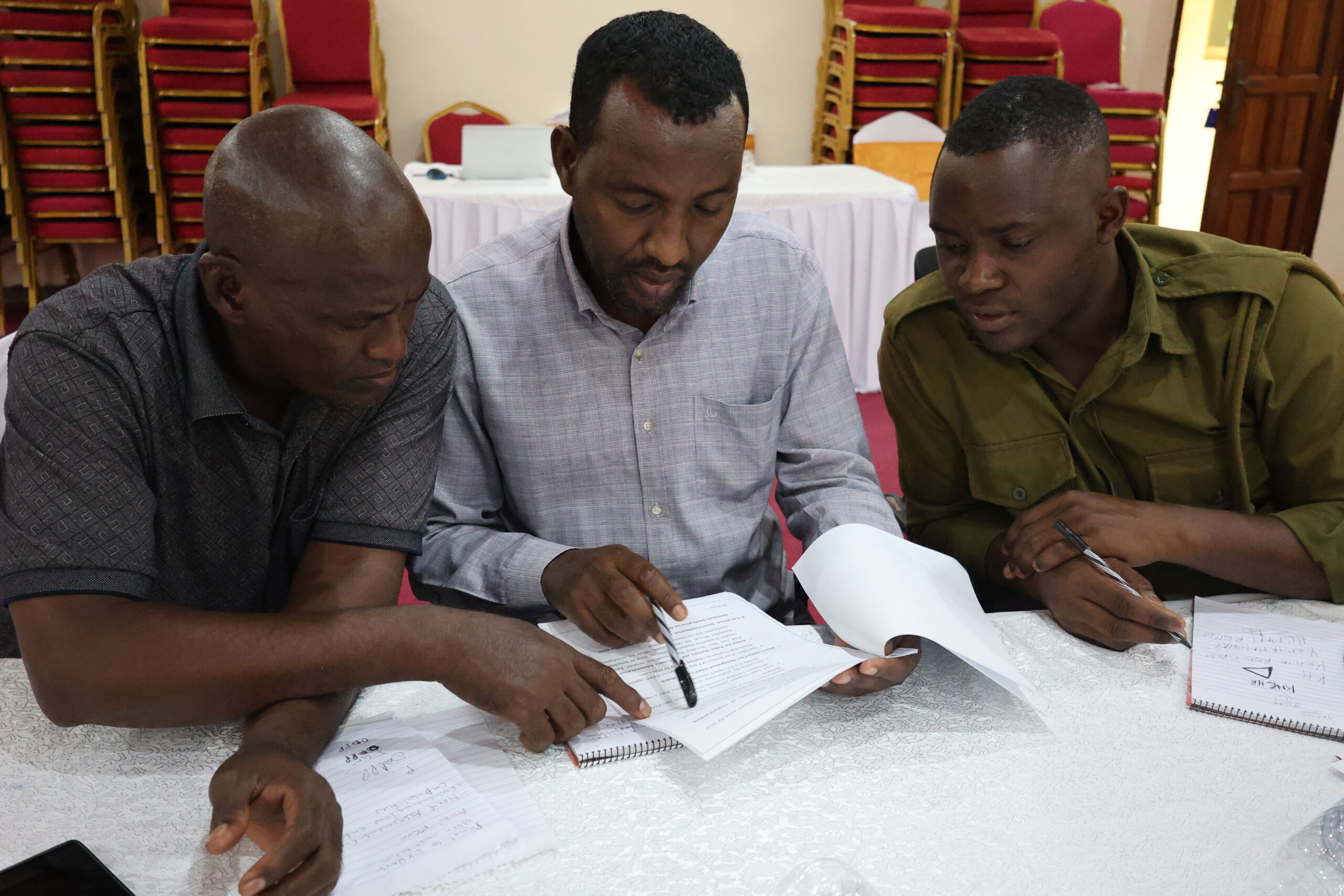
The call was made during a three-day forum organised by the Kenya National Commission on Human Rights (KNCHR) in Wajir town.
The meeting brought together civil society groups, security agencies, human rights defenders, religious leaders, and community elders from across the county.
The forum was told that the long school holiday is often a dangerous period when the practice of Female Genital Mutilation (FGM) becomes rampant among the largely conservative Somali community.
KNCHR Regional Coordinator Mr. Hassan Abdi Omar urged parents to be extra vigilant as the risk of FGM tends to rise during the holidays.
“I urge parents to be vigilant about FGM during this holiday season,” said Mr. Omar. “They should protect young girls who are on holiday so that they do not face the cut.”
He warned that the extended break from school provides room for perpetrators to prey on girls, often under the cover of cultural rites.
“The long holiday may be a season that stakeholders must be awake to the reality on the ground,” said Mr. Omar. “This is the time when circumcisions occur.”
Security agencies, he said, should also remain on high alert and ready to act. “I call upon the security agencies to be alert during this period so that we can arrest those who engage in harmful cultural practices,” he said.
A persistent practice
Despite years of advocacy and sensitisation, FGM remains deeply entrenched in many parts of Northeastern Kenya and particularly in Wajir County.
The practice continues to thrive in secrecy, passed down through generations as a cultural norm, even though it has been outlawed and condemned by both the government and some religious scholars.
According to the KNCHR, Wajir county still records one of the highest FGM prevalence rates in the country.
The commission is working hand in hand with local stakeholders to end FGM through community-centred interventions that respect local contexts while promoting human rights.
The current invigorated campaign seeks to protect young girls from a practice that robs them of their childhood and dignity.
Experts and activists at the forum also highlighted the mental, social, and health impacts of FGM among Somali girls, as they continue to put their best foot forward to end the vice once and for all.
The hidden pain
FGM causes lifelong harm. The practice leads to excessive bleeding, severe infections, and long-term reproductive health complications. Many survivors also suffer from post-traumatic stress, nightmares, and deep emotional wounds.
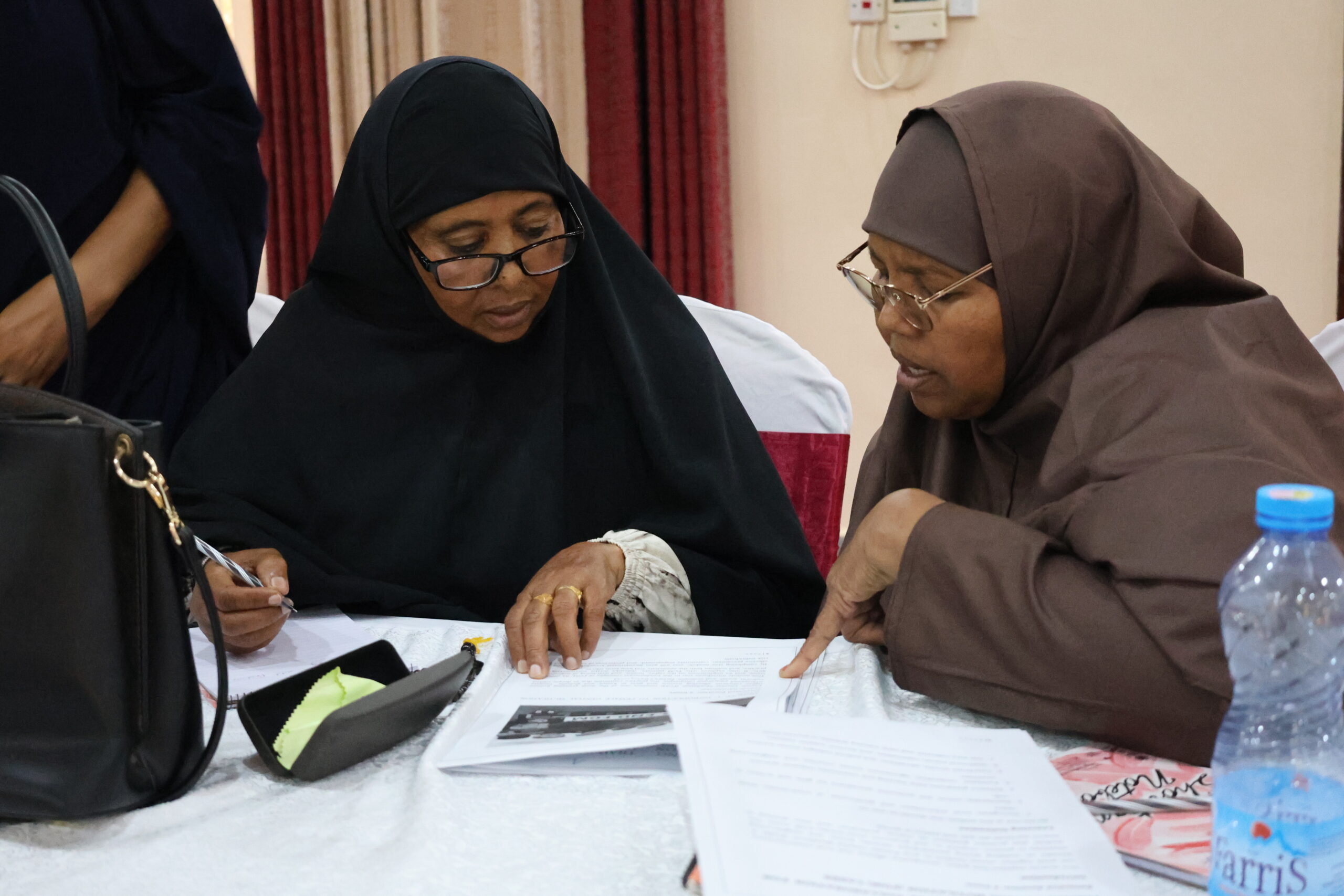
Ms. Hinda Ahmed, a long-serving nurse and anti-FGM campaigner, spoke passionately about the health implications of FGM on both young girls and older women.
“FGM increases the risk of HIV/AIDS and Hepatitis B due to the use of unhygienic equipment,” she said. “It can negatively impact marital life, causing pain instead of happiness, and may lead to infertility or sexual dysfunction.”
Her words are a powerful reminder of the hidden suffering that many women endure in silence after undergoing the cut at a tender age.
“During pregnancy,” she added, “women often experience urinary tract infections, back pain, bladder problems, and prolonged labour that can endanger both mother and child.”
A call to action
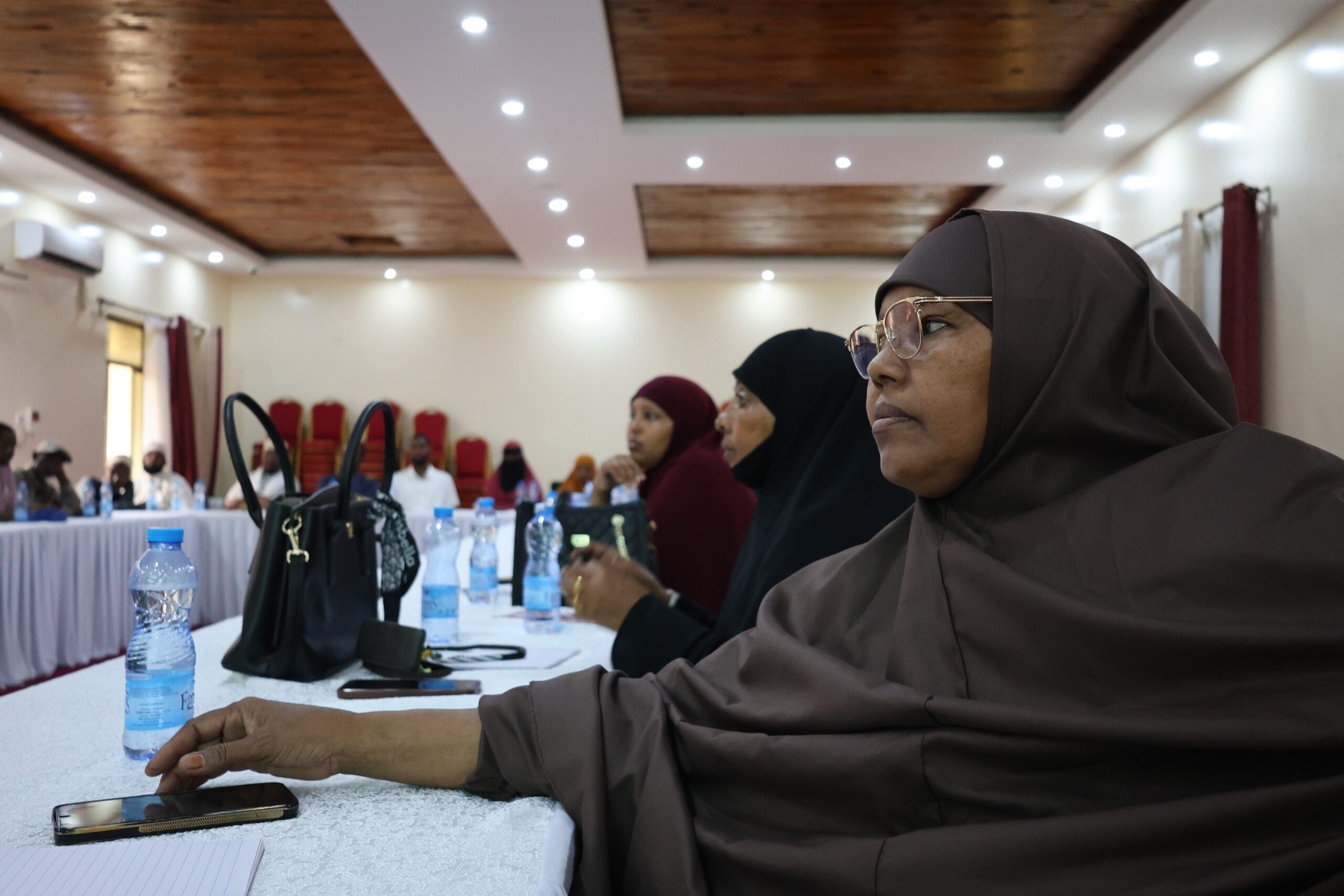 Local activists are raising their voices louder than ever. They are calling on parents, elders, and community members to protect young girls from the malevolent cut.
Ms Safi Abdullahi, a local human rights defender, said the community must now stand on the right side of history.
“We have forgiven our mothers for what they did to us,” she said. “But now, we must stop the vice and protect young girls. That is our message to the community.”
Her remarks echoed the sentiments of many participants who believe that ending FGM requires both courage and compassion.
Law enforcement’s role
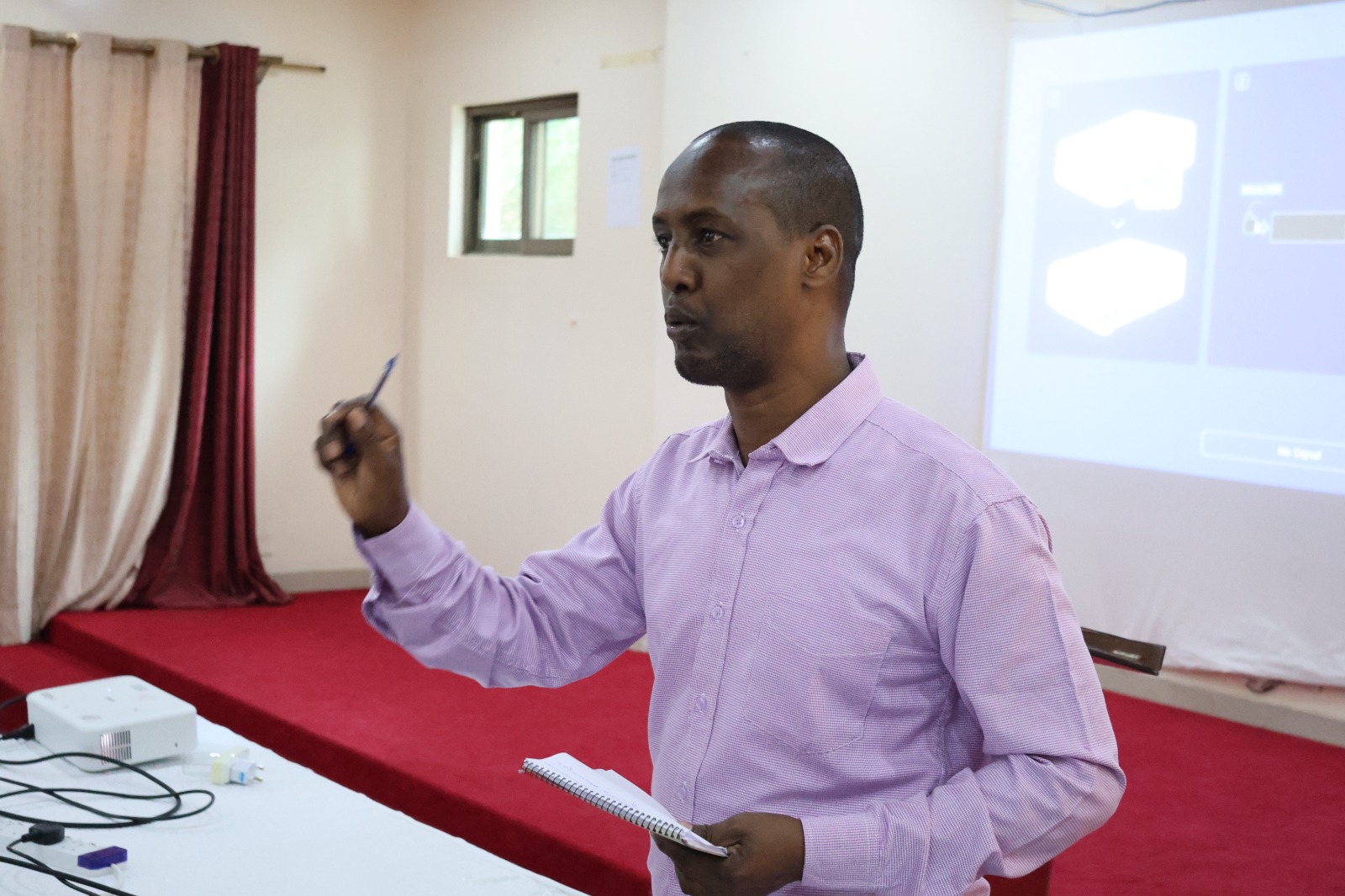
During a validation meeting on needs assessment report and E-module for law enforcement agencies, the commission focused on strengthening the capacity of security officers and local administrators to combat harmful cultural practices, including FGM.
“You are key stakeholders in the fight against harmful cultural practices,” said Mr Ali Mohamud senior officer regional services. “You play a crucial role, which is why we sought your input in this workshop as well as in the previous ones.”
He added that enforcing the law is not just about making arrests, it is also about protecting victims and ensuring justice is done.
The workshop encouraged stronger collaboration between the police, civil society groups, and local communities to ensure that reports of FGM are acted upon swiftly and effectively.
Participants urged clerics and elders to use their influence to speak against the practice. Cultural beliefs, they said, should not be used as an excuse to harm young girls.
“It is our responsibility as a community to protect our daughters,” said Safi, the activist