

By a correspondent | Wajir Today | Friday, 02 December 2025
School principals have launched a fierce attack on the Ministry of Education’s centralised admissions system, warning it is fuelling confusion, anxiety and unfair student placements just days before schools reopen.
The Kenya Secondary Schools Heads Association (KESSHA) wants the government to abandon the Kenya Education Management Information System (KEMIS) and return admissions powers to schools, arguing the digital process is broken and opaque.
According to principals, the system is placing learners in schools without regard to their academic performance, regional balance or even parental choice. In some cases, students have allegedly been reassigned to new schools without families requesting any transfers.
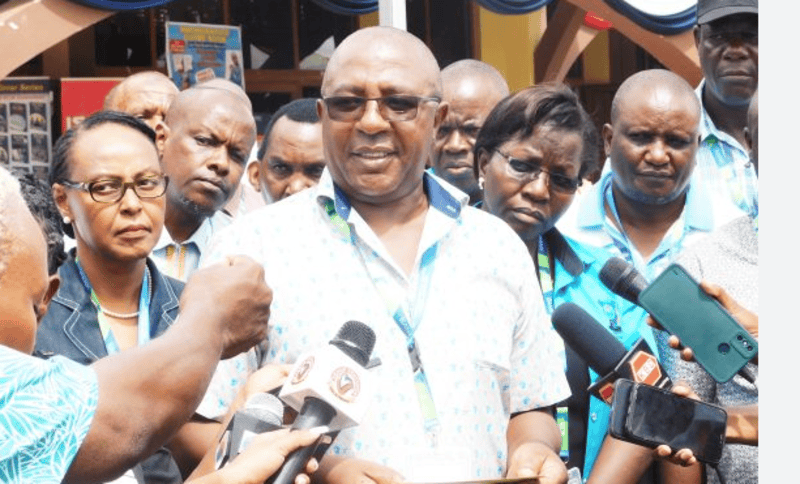
“We used to know exactly who we were admitting — their marks and where they came from,” said KESSHA chairperson Willie Kuria. “A child from Kisauni could be admitted to Murang’a High School, helping build national cohesion. Today, we are just sent names. That’s it.”
Kuria, who is also the Chief Principal of Murang’a High School, revealed that principals have no access to Kenya Junior School Education Assessment (KJSEA) results, leaving them blind during admissions. He said this has resulted in top-performing learners being sent to low-tier schools, while others are locked out of opportunities they clearly merit.
In a personal illustration of the problem, Kuria disclosed that his own Grade 9 child, who scored 67 points, was placed in a local day school. Attempts to seek a review through the system failed due to technical glitches.
Under pressure, the Ministry of Education has announced it will reopen the placement revision portal on January 6, 2026, allowing parents and learners to select preferred schools. However, principals insist this is only a temporary fix.
KESSHA is now pushing for a hybrid admissions model, where parents would approach schools directly to check for vacancies, with approved placements later uploaded into KEMIS for official clearance.
“This would restore transparency, equity and flexibility,” Kuria said.
The admissions crisis comes amid deepening financial strain in secondary schools. In 2025, schools received just Sh10,376 per learner under the Free Day Secondary Education programme — less than half of the Sh22,244 annual allocation.
Junior secondary schools are also facing turmoil, with intern teachers threatening not to report back in January over what they term illegal contract extensions.
With schools set to reopen on January 12, KESSHA and other stakeholders are demanding urgent reforms, increased funding and clarity on the transition to senior secondary school.
“Parents are completely in the dark,” Kuria warned. “We have capacity. Claims of corruption are baseless — any money paid is strictly regulated by Boards of Management and official receipts.”


