

 By Hodan Warsame
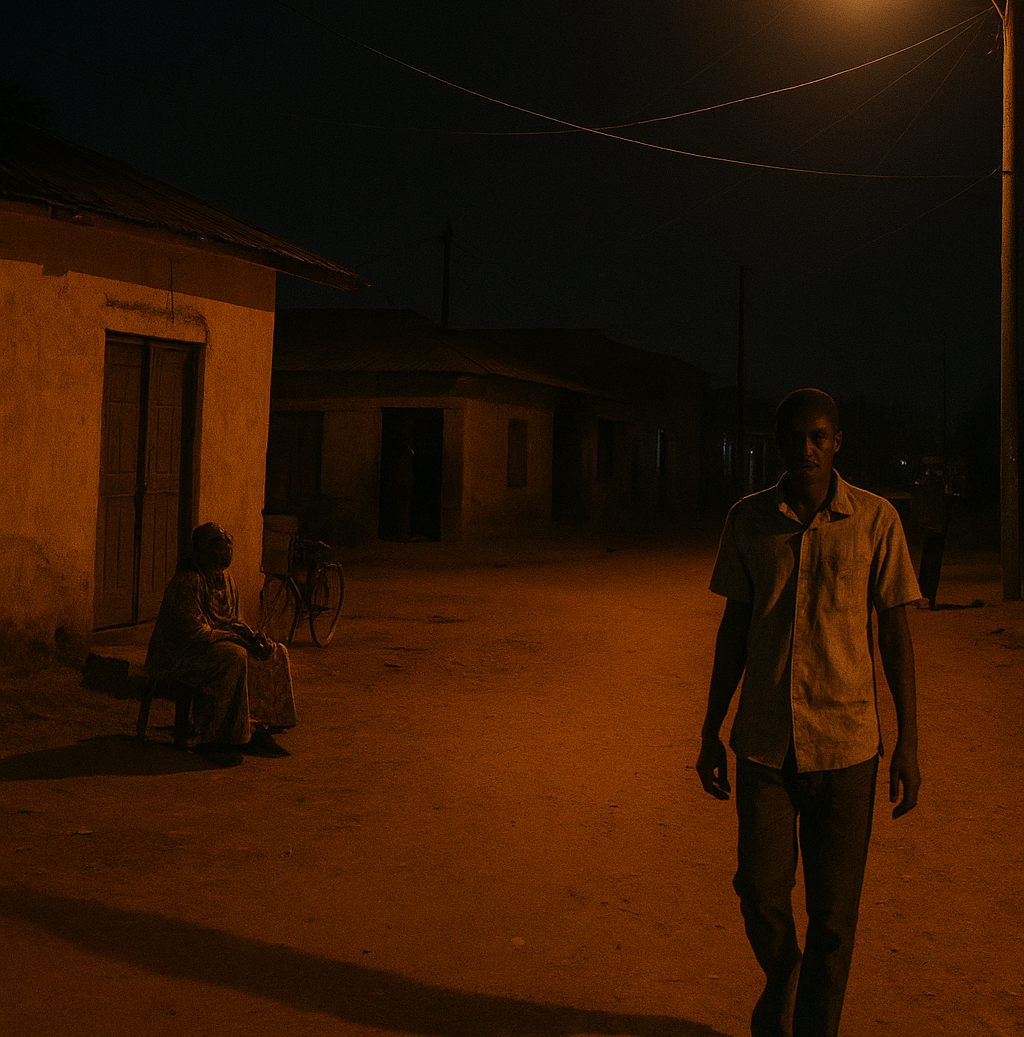
For months now, Wajir residents have lived in near darkness. Power rationing has become the new normal, not because of natural disaster or war, but because of neglect and poor planning.
The town flickers between brief moments of electricity and long hours of blackout. Businesses struggle, students lose hope, and families endure nights of darkness.
Electricity defines modern life. It powers our hospitals, schools, and markets. It fuels the dreams of young people studying for exams and the ambitions of small traders trying to lift their families from poverty.
Yet in Wajir, that basic right has turned into a privilege. The Kenya Power and Lighting Company (KPLC) plant in the area produces inadequate output, far below what the town needs.
Deputy President Kithure Kindiki, during his recent visit, promised that the government would raise the output to 6.5 megawatts. The announcement ignited hope. For once, residents felt that the national government had finally recognised their suffering.
But weeks have passed. The lights still flicker. The hum of generators still fills the evening air. Nothing has changed. The promise remains a headline, not a reality.
Every night, small businesses count losses. Barbershops, salons, and cybercafés that depend on electricity operate for barely half a day.
Owners of welding shops and fresh produce shops have resorted to shutting down completely because the cost of running generators has tripled their expenses.
In homes, children squint over dim kerosene lamps to study. The smell of smoke hangs in the air, a daily reminder of the distance between Wajir and the rest of Kenya.
Parents worry about their children’s future. How can they compete with peers in Nairobi who have stable internet and light around the clock? The inequality deepens, and with each blackout, hope dims a little more.
Even the healthcare system is not spared. At Wajir County Referral Hospital, staff sometimes rely on backup generators during operations. Vaccine storage units require consistent refrigeration, yet the power interruptions threaten their effectiveness. For expectant mothers and patients in emergency wards, every blackout feels like a gamble with life.
The silence of leadership makes the pain worse. The county government avoids the topic because maybe the docket is not under their mandate, and local politicians only speak about electricity during political visits. Ordinary residents, meanwhile, continue to pay for unreliable service.
Power rationing is not just an inconvenience, it is a barrier to progress. Investors hesitate to set up in towns where electricity supply is uncertain.
Businesses that could transform Wajir’s markets now lie dormant. The cycle of underdevelopment spins on, fuelled by darkness.
It does not have to be this way. Wajir has the potential to power itself sustainably. The region enjoys abundant sunlight, making solar energy a realistic alternative.
A proactive approach could blend grid power with solar farms to stabilise supply and reduce dependence on diesel. The technology exists. What is missing is the political will.
The people of Wajir deserve answers and action, not promises. The national government must explain why the promised upgrade to 6.5 megawatts has stalled.
County leaders must push for accountability instead of retreating into silence. Development cannot thrive in darkness, and progress cannot bloom in neglect.
In a country that speaks so often about equality and inclusion, Wajir should not be left behind simply because it sits far from Nairobi. The glow of electricity is more than light, it symbolises dignity, opportunity, and connection to the rest of the world.
Wajir’s residents have waited long enough. It is time for the government to turn on the lights and let this proud town shine again.
_________________________________________
The views and opinions expressed in this article are those of the author and do not necessarily reflect the official policy or position of Wajir Today. The publication provides a platform for free expression and constructive debate, and contributors bear full responsibility for the accuracy and integrity of their views. Wajir Today does not endorse any political, social, or personal bias presented in opinion pieces.


