

By Hodan Warsame | Wajir Today | Monday, 15 September 2025.
On this International Day of Democracy, Wajir faces a question that speaks volumes about our politics and society: why are our women aspiring only for the Women Representative seat and not for governor, senator, or constituency MP? Already, more than a dozen women have declared interest in the Women Member of Parliament seat for 2027. Yet none has stepped forward to challenge men in the more competitive races.
This trend reflects both progress and limitation. Women are now confident enough to vie for elective office, but they are largely confined to one space created specifically for them. The question is whether this is empowerment or an illusion of empowerment.
The Women Representative position was introduced in Kenya’s 2010 Constitution to address gender imbalance in leadership. It created a constitutional space for women at the national level. For Wajir, as in other counties, it gave women a legitimate platform to speak for their communities. But over time, the seat has become a ceiling rather than a stepping stone.
Why do women prefer it? First, the seat is perceived as less threatening to men’s dominance. Contesting for governor or MP would mean challenging deeply entrenched clan-based negotiated democracy.
In Wajir, political seats are often shared among clans to avoid conflict. Women, already disadvantaged in numbers and influence, are rarely factored in. The Women Representative slot, however, is not bound by such rigorous clan-sharing arrangements, making it easier for women to enter.
Second, many women view the seat as safer. Competing with men in governor or senatorial races means engaging in rough, costly campaigns. Our politics is expensive, and women often lack access to the financial resources that men enjoy. Business networks, clan elders, and financiers tend to back male candidates. For a woman, raising tens of millions of shillings for campaigns is a mountain too steep.
Third, society itself still holds limiting perceptions. Wajir remains a highly patriarchal society. A woman seeking the governor’s office may face ridicule, resistance, or outright rejection. Some elders still insist that leadership belongs to men. In such an environment, even ambitious women calculate the risks and retreat to the Women Representative seat, where the barriers are fewer.
Yet this trend has consequences. When women restrict themselves to one seat, they reinforce the very stereotypes they should be breaking. It gives the impression that women cannot handle “serious” leadership roles beyond the Women Representative’s platform. Worse, it deprives Wajir of the chance to experience diverse leadership.
Of course, some argue that women are being realistic rather than fearful. They say it is better to consolidate influence in the Women Representative seat than to waste energy in battles they cannot win. This view has some merit. But it is also short-sighted. Democracy grows stronger when all citizens men and women aspire to every level of leadership.
What we are witnessing is not a lack of ambition among women but the impact of negotiated democracy. Clan deals often close doors before women even knock. Elders distribute seats among men, and women are only left with the Women Representative position. In essence, negotiated democracy is working against women’s political advancement.
The way forward is clear. Women must start daring. If a dozen women can compete for the Women Representative seat, surely one can step forward to run for governor, senator, or constituency MP. Yes, the odds are tough, but history shows that change only comes when barriers are challenged.
Democracy is not only about holding elections. It is about equal participation. It is about ensuring that every citizen has the right to aspire to any seat, without being boxed in. For Wajir, democracy will be incomplete until women feel free to contest for every office.
To our women leaders: do not confine yourselves. The Women Representative seat is important, but it should be a bridge, not a destination. The county needs your voices in governor races, in parliamentary debates, and in Senate decisions. The future of Wajir cannot be negotiated only by men while women stand aside.
To our elders and community leaders: supporting women is not a betrayal of culture but an investment in progress. Societies that empower women lead in education, health, and development.
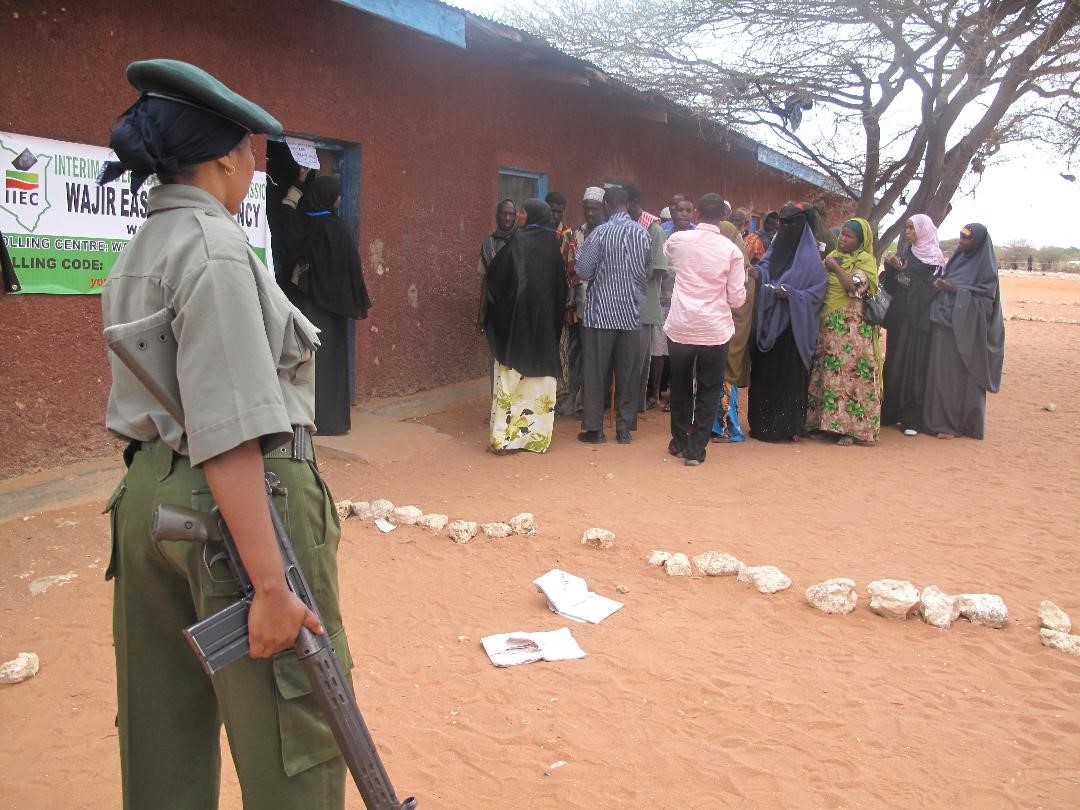
On this day, let us reaffirm that democracy in Wajir must be inclusive. Women should not only be voters or token representatives. They should be governors, senators, MPs, and beyond. Wajir’s democracy will only mature when women stop queuing for one seat and start competing for all.


