

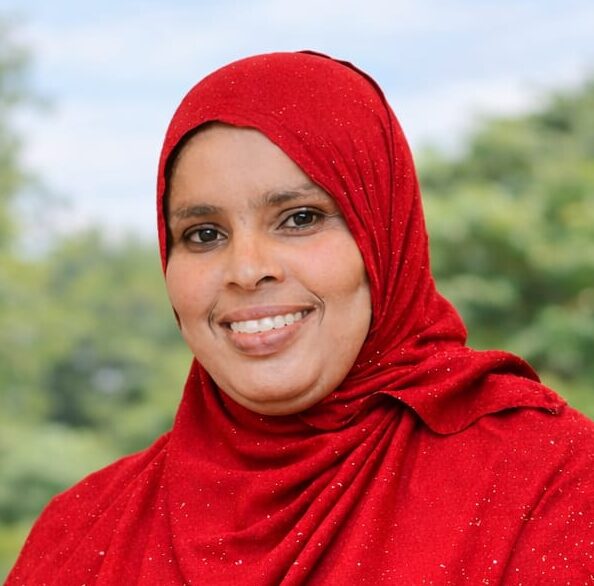
By Hon. Fatuma File
Kenya’s strength lies in its diversity and the long-standing culture of peaceful coexistence among its people. At a time when the country faces economic pressures and social challenges, national unity remains not just desirable but essential.
Political leaders, especially former immediate holders of high offices, carry a moral and civic responsibility to shape public discourse in ways that strengthen, rather than strain, our hard-earned unity.
The former Deputy President, Rigathi Gachagua, must clearly articulate his agenda and vision for the country without resorting to rhetoric that risks deepening ethnic, regional, or communal fault lines.
Recent public statements attributed to him suggest a troubling shift toward divisive narratives that threaten national and Community cohesion. Political competition should never come at the cost of unity among Kenyans.
If the former Deputy President has deep concerns about governance, marginalization, or national leadership, it is reasonable for Kenyans to ask why these concerns are being raised so forcefully now.
His sentiments on shareholding and his claims that Northern Kenya failed to vote for his government were evident even when he was in power.
Many would have wished to hear the same urgency and conviction when he held power and influence at the highest level of government. Leadership demands consistency and responsibility, not positions shaped by political convenience or timing.
There is also growing concern that the former Deputy President appears to be directing significant political energy towards leaders from Northern Kenya, seemingly competing for relevance or political precedence where no direct electoral competition exists.
If he seeks to compete politically with leaders from the region, the most honest and democratic approach would be to seek an elective position in Northern Kenya and engage the electorate directly.
Persistently focusing on the region without offering concrete policies risks appearing opportunistic rather than transformative.
Northern Kenya’s challenges are not political slogans; they are lived realities. Decades of marginalization in infrastructure, education, healthcare, security, and economic investment continue to shape the region’s development outcomes.
Yet repeatedly invoking Northern Kenya without clearly outlining the policies one intends to implement, the resources one would mobilize, or the institutional reforms one would pursue offers little hope for meaningful change.
More concerning is the perception among respected leaders and citizens that some of the former Deputy President’s statements can be interpreted as ethnic profiling. Such narratives, whether intentional or not, risk singling out communities instead of addressing systemic governance failures.
In a multi-ethnic nation like Kenya, this framing is dangerous and undermines the constitutional values of equality, inclusion, and national unity.
The government of the day must also be allowed the space to deliver its constitutional mandate. Accountability remains a cornerstone of democracy, but it must be pursued responsibly, lawfully, and without inflaming ethnic or regional tensions.
Persistent political agitation that undermines institutions or fuels suspicion risks slowing national development and eroding public trust.
Above all, Kenyans are peace loving people. Across regions and communities, citizens are focused on working together to earn their daily bread, raise their families, and live with dignity. They value cooperation over conflict and stability over hostility.
The former Deputy President must consider to ensure his comments reflect these values by lowering political temperatures, mutual respect, and national solidarity.
Kenya does not need louder voices; it needs wiser leadership. This is a call to all leaders, especially former holders of high office, to choose vision over provocation, policy over rhetoric, and unity over division.
The future of the nation depends on leadership that respects diversity, avoids ethnic profiling, and brings Kenyans together in pursuit of justice, inclusion, and lasting peace.
____________________________
The views and opinions expressed in this article are solely those of the author and do not necessarily reflect the editorial position of Wajir Today. The article is intended to contribute to public debate and inclusive discourse. Any reference to individuals or events are made in good faith and in the public interest.
To contribute articles to Wajir Today send your opinion ideas to newsroom@wajirtoday.co.ke


1 Comment. Leave new
Hon
Fatuma.you have said it all.