

 By Staff Writer | Wajir Today | Tuesday, 4 November 2025
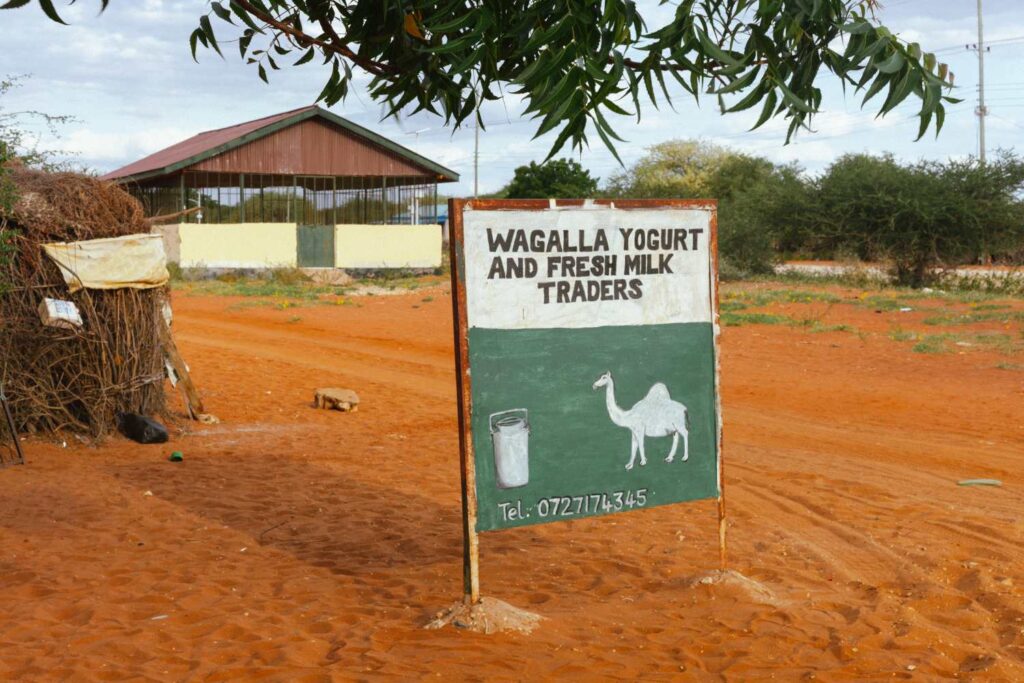
In Wagalla, a hot and dry village about ten kilometers west of Wajir town, where the wind often carries dust instead of rain, women are rewriting their story.
Just like many parts in the parched and bare Northeastern Kenya, Wagalla is not the kind of place where opportunity knocks often. Yet, a group of women here have found a way to turn hardship into opportunity.
In Wagalla, the land remembers drought more than rainfall. Goats wander through cracked plains. Wells run dry and many residents survive on the edge.
But inside a modest kiosk, the scent of boiling milk cuts through the dry air where metallic jugs line the floor.
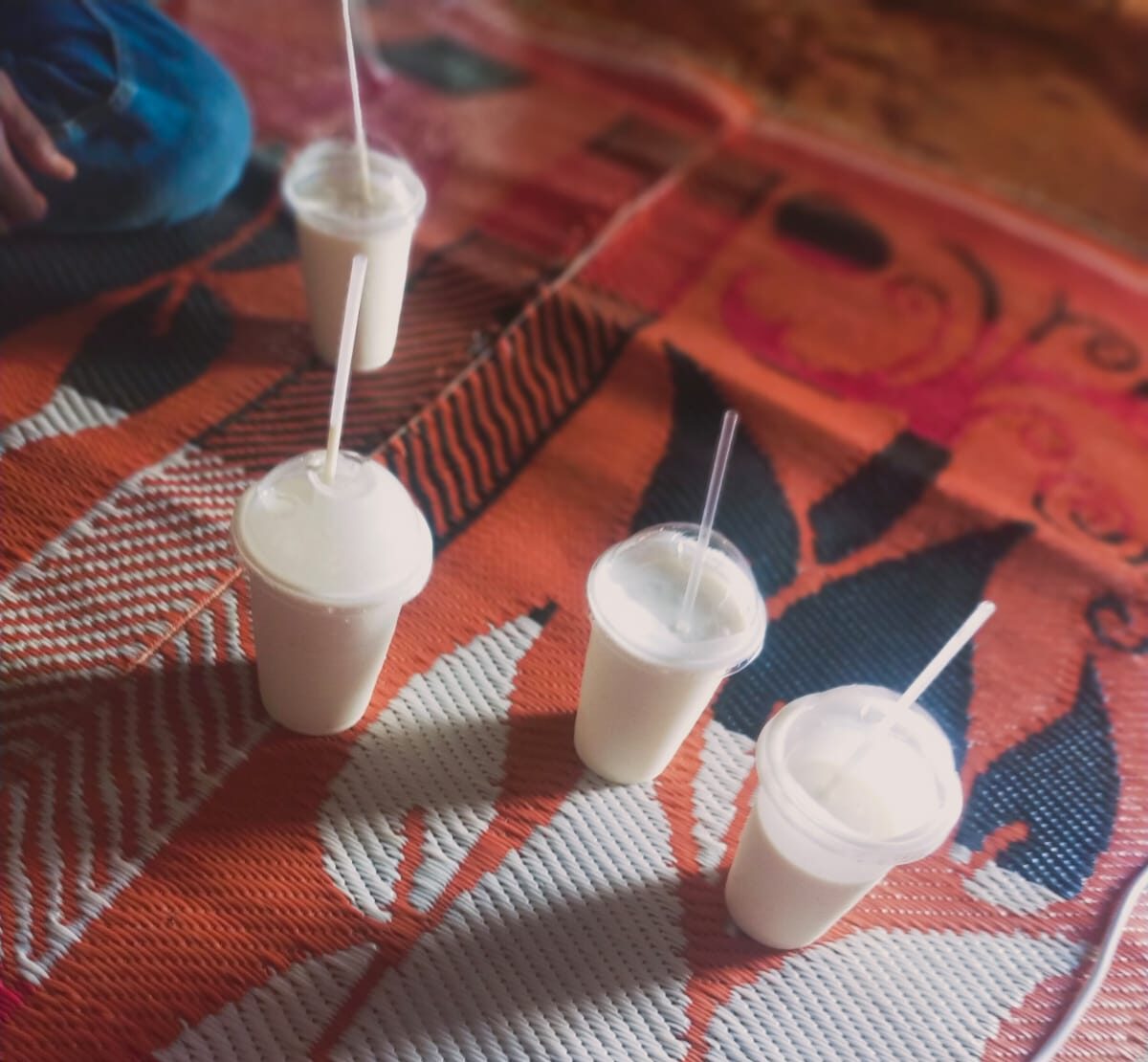
This is where Wagalla Yoghurt and Fresh Milk Traders make their mark, producing natural yoghurt, free of preservatives, made by hand and by heart.
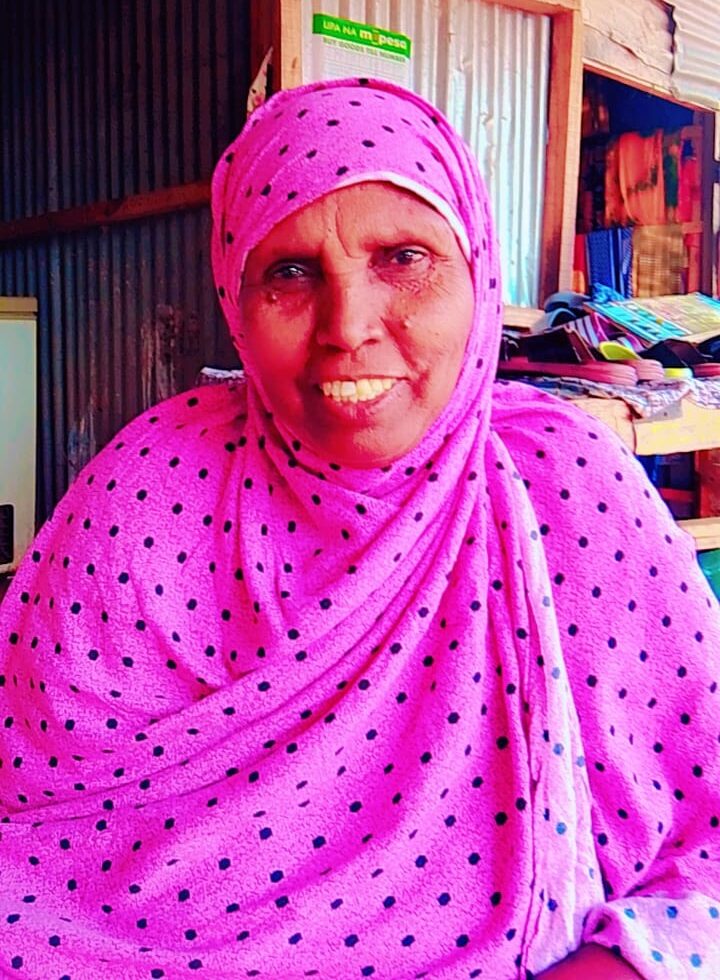
“We Started with a Dream” Ms. Abdia Hussein Aden, the group’s secretary, told Wajir Today, in a calm but proud speech.
“We started this initiative as a group of women in 2014,” she says. “We had received a few trainings on milk value addition. That’s when we realized , we could do more than just sell milk. We could make yoghurt.”
The idea was simple. The execution, not so much.
“Things were going well,” Abdia recalls. “But then came the droughts. Then Corona. Everything stopped. But in 2024, we decided to start again.”
Restarting was not easy. Yet, they did.
“Since then, we have been growing steadily,” she says. “We now make about 40 liters of yoghurt a day. Compared to when we began, that’s progress. We even have our own little kiosk now.”
More Than Just Yoghurt
The women don’t just sell yoghurt. They sell nyirinyiri (a traditional dried meat delicacy). Here every litre, every sale, adds a little to their shared income.
“We are really trying our best to make things work despite a routine dry spell, that comes back quite often” Abdia says.
Behind her words lies a silent defiance, a refusal to be defeated by the harshness of Wagalla’s climate and elsewhere in Wajir, where climate change is taking a heavy toll on the majority of pastoralists.
But challenges persist.
“Drought affects everything,” she says. “But right now, our biggest problem is power. The electricity goes off without warning, and that can spoil our products. We lose money that way.”
Power outages are a crisis not just in Wagalla, but across Wajir town, where endless rationing continues to hurt traders and small businesses alike.
“We want to invest in solar-powered fridges,” Abdia explains. “That way, we don’t have to depend on unreliable electricity.”
A Call for Support
In Wagalla, technology is still a luxury. For these women, even basic packaging materials are expensive.
“We want better packaging,” Abdia says. “Something that looks good on the shelf, something we can be proud of.”
The women hope for more training too and more skills to diversify, and maybe even venture into other dairy products.
“If we can get more skills, we can diversify,” she says. “Maybe even make other dairy products.”
Ms. Abdia takes us through their daily routine, explaining how each morning begins with gathering their tools and assigning specific tasks among the members.
“We buy fresh milk from local suppliers,” she says. “We check its quality, boil it, and then process it into yoghurt.”
It’s simple work, but it demands precision. Too much heat and the milk curdles, too little, and it won’t ferment properly.
Beyond profit, a strong bond unites these women, driven by a shared spirit of supporting each other financially and emotionally.
“When one of us faces financial challenges, we allow them to borrow from the group,” Ms. Abdia says. “It keeps us together. We help each other grow.”
It’s a small act of solidarity, but in Wagalla, it’s everything.
The yoghurt business has become more than a source of income. It’s a circle of friendship, a safety net, and, for many, a reason for a brimming hope.
In a region where climate change has rewritten the rules of survival, their story stands out. Every cup of yoghurt they sell tells a story of persistence, of unity, of women who refuse to give up.
For now, the group’s focus remains on growth slow, steady, and sustainable. They dream of supplying schools, markets, maybe even local supermarkets.
They talk about solar energy, cold storage, and branding, the kind of conversations that rarely echo in drought-hit villages.
“We may not have much,” she says softly. “But what we have, we make the best of it.”
And in that spirit, amid the heat, dust, and uncertainty, the women of Wagalla keep stirring hope.
Wajir Today — The Bold Voice of Wajir.
Delivering trusted news, insightful stories, and bold perspectives from Wajir County. We keep you informed, inspired, and connected to the issues that matter.
Click here to join to join our Facebook page.
Here to join our Twitter
Here to Join our WhatsApp channel.
For more contact us on email: newsroom@wajirtoday.co.ke


