

 By Azizah Abdullahi
Beyond its spiritual dimensions, Ramadan is a practice in healthy living. Islam integrates physical and spiritual health, considering bodily care a religious duty. This month provides a chance to reset habits and enhance well-being, guided by the Qur’an’s call for balance and moderation.
Allah reminds us in the Qur’an to live with moderation and balance in all aspects of life. He says:
“And eat and drink, but do not be excessive. Indeed, He does not like those who commit excess.” (Qur’an 7:31)
This verse is especially meaningful during Ramadan. Fasting teaches us self-control and discipline, not only during the daylight hours but also when we break our fast.
Ramadan is not meant to be a month of overeating or indulgence; instead, it is a month of mindfulness, gratitude, and moderation.
The Prophet Muhammad (SAW) emphasized the importance of caring for our bodies. He said:
“Your body has a right over you.” (Bukhari)
This Hadith reminds us that our bodies are an amanah, a trust from Allah. During Ramadan, we become more aware of how our bodies respond to hunger, thirst, rest, and nourishment. This awareness helps us develop healthier habits and encourages us to treat our bodies with care and respect.
One of the greatest health benefits of Ramadan is fasting itself. Fasting gives the digestive system time to rest and helps cleanse the body. It also trains us to control our desires and break unhealthy eating patterns.
Many of us realize during Ramadan that we eat out of habit rather than need. Fasting teaches us patience and helps us appreciate food instead of taking it for granted. When practiced correctly, fasting promotes both physical strength and spiritual discipline.
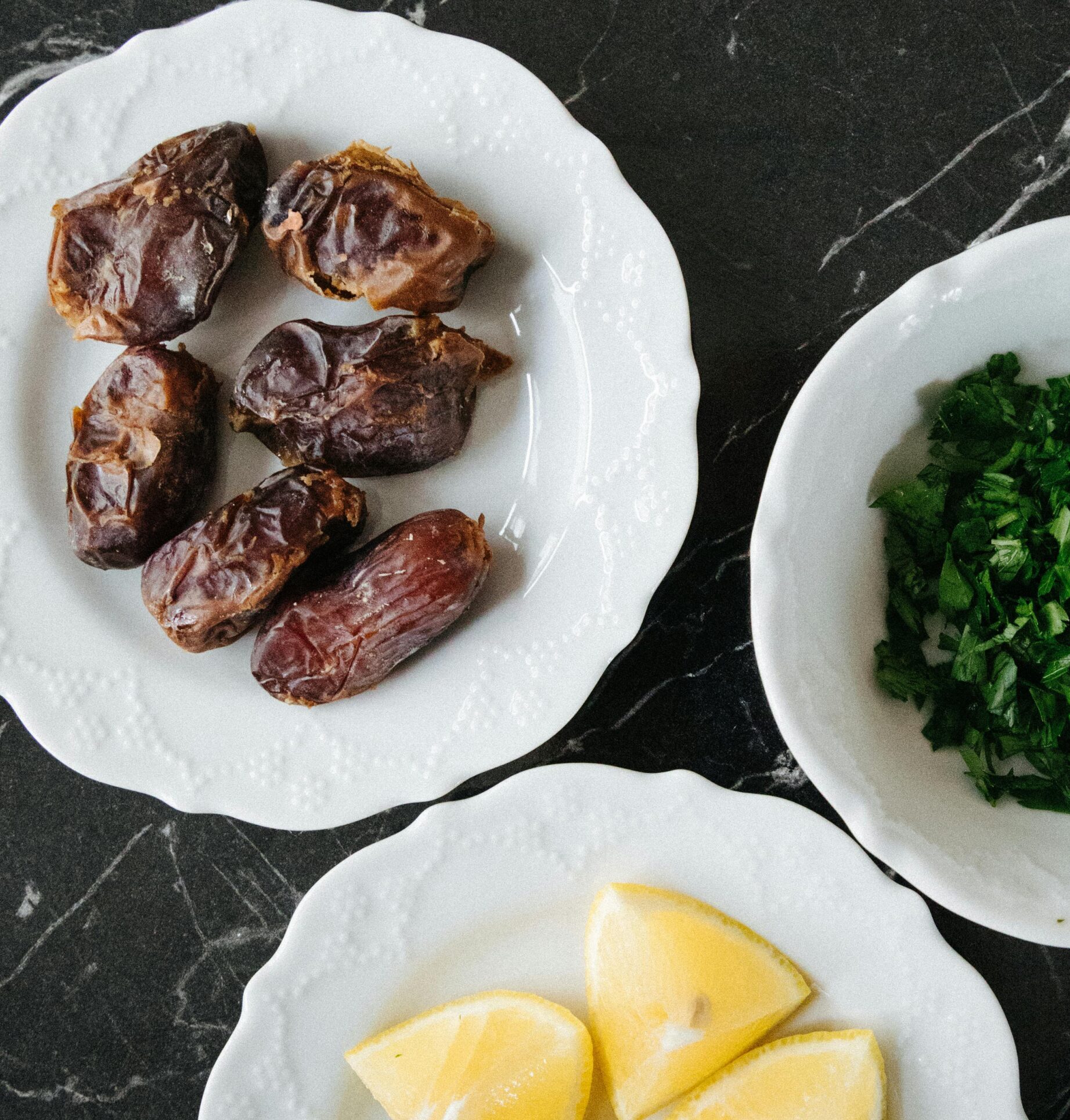
As the Sunnah of the prophet of Allah(SAW) provides us with beautiful guidance on healthy eating. He would break his fast with dates and water, a simple yet nourishing practice. The Prophet (SAW) said:
“When one of you breaks his fast, let him break it with dates, for they are blessed.” (Abu Dawud)
Dates provide natural energy and essential nutrients, showing us that simplicity in food is both healthy and rewarding. Following the Sunnah helps us avoid overeating and reminds us that moderation is key to maintaining good health.
Ramadan also encourages healthy daily routines. Waking up for suhoor helps regulate our eating schedule and provides the energy needed for the day of fasting. Night prayers such as Taraweeh involve physical movement, which benefits the body while strengthening the soul.
These acts of worship remind us that Islam promotes an active and balanced lifestyle. When we manage our time wisely, get enough rest, and avoid unnecessary exhaustion, Ramadan becomes a source of renewal rather than fatigue.
Mental and emotional health are also deeply nurtured during Ramadan. Fasting helps calm the mind and reduces many distractions of daily life. Increased remembrance of Allah brings peace and comfort to the heart. Allah says:
“Verily, in the remembrance of Allah do hearts find rest.” (Qur’an 13:28)
When our hearts are at peace, our stress levels decrease, and our emotional well-being improves. Acts of charity, kindness, and forgiveness during Ramadan also contribute to inner happiness and emotional balance.
Ramadan teaches us to control negative behaviors that harm both the soul and the body. Anger, harsh speech, and impatience are discouraged during fasting. The Prophet (SAW) warned that fasting is not only about avoiding food and drink. He said:
“If one does not give up false speech and acting upon it, Allah has no need of him giving up his food and drink.” (Bukhari)
This Hadith shows that a healthy lifestyle in Islam includes emotional discipline and good character, not just physical health.
Another important lesson of Ramadan is self-awareness. Through fasting, we learn our limits, our weaknesses, and our strengths. We recognize what harms us and what benefits us. This awareness helps us make better choices even after Ramadan ends.
The habits we build during this month—such as mindful eating, regular prayer, and self-control—can shape a healthier lifestyle for the rest of the year.
In conclusion, Ramadan is a complete training for a healthy life. It teaches us moderation, discipline, patience, and gratitude. By fasting, praying, eating wisely, and caring for our bodies, we learn that true health is a balance between the body and the soul. When we embrace the lessons of Ramadan fully, we emerge stronger, healthier, and closer to Allah, carrying these blessings long after the month has passed.


