

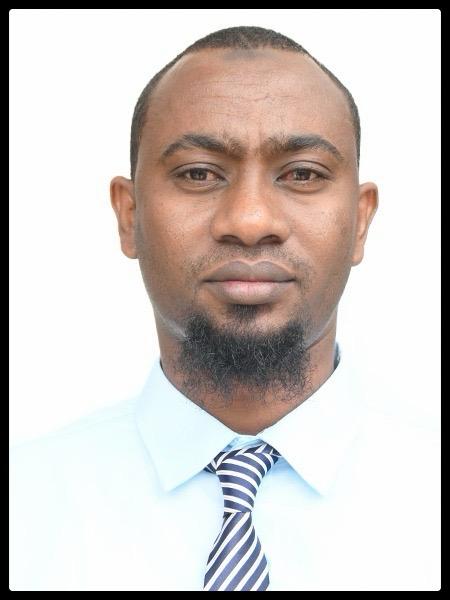
By Shueb Suleiman Issak
Kenya’s current education system, the Competency-Based Curriculum (CBC), grounded in the principles of Competency-Based Education (CBE), was introduced in 2017 with the promise of revolutionising education by equipping learners with practical skills and opportunities.
On paper, it is a progressive and forward-looking approach that aims to align education with the demands of a rapidly evolving world. In practice, however, nearly a decade into its implementation, the system continues to face notable challenges, including shortages of learning materials, infrastructure gaps, teacher understaffing, and limited preparedness among educators to effectively deliver the curriculum.
If these shortcomings are not addressed decisively, they risk undermining the very promise the CBC was meant to fulfil.
Despite these challenges, the CBC is here to stay, and as a nation, we must commit to addressing its shortcomings and ensuring its success.
It is crucial to confront broader structural issues within our education system. One such issue is the glaring lack of higher education facilities in historically marginalised regions, particularly North Eastern Kenya.
As the country prepares for the full transition to the Competency-Based Curriculum and seeks to ensure equitable support across all regions, several important questions arise.
Where will the first cohort of senior school graduates from North Eastern Kenya pursue higher education upon completing their studies in 2029? Will these students continue to travel to Nairobi, Mombasa, and other distant urban centres, incurring substantial financial costs as generations before them have done, or is there a more viable and sustainable alternative?
One practical and forward-looking solution lies in repurposing established educational institutions to meet emerging needs. Converting selected, well-established national high schools into public universities presents a viable policy option. In Wajir County, Wajir High School stands out as a strong candidate for such an initiative.
For decades, Wajir High School has served as a pillar of academic excellence in Northern Kenya. Under the CBC framework, it now functions as a senior secondary school and currently hosts Grade 10 learners across various pathways.
While senior schools play an important role within the new curriculum structure, elevating Wajir High School into a public university would generate far broader and more enduring benefits, not only for Wajir County, but for the entire North Eastern region.
Currently, Garissa University remains the only fully chartered public university physically located in North Eastern Kenya. While the institution has played a critical role in expanding access to higher education in the region, vast areas such as Wajir and Mandera remain underserved, forcing students to travel long distances to pursue higher education.
Establishing a public university in Wajir would reduce this burden and address the growing demand for diplomas and degrees, a demand fuelled by devolved governance and an increasingly competitive job market.
Transforming Wajir High School into a university is far more practical and cost-effective than building a new institution from scratch. The school already has essential infrastructure, including classrooms, dormitories, administration blocks, staff rooms, and staff quarters.
These facilities can be upgraded to meet university standards, while additional infrastructure such as laboratories, libraries, workshops, and ICT hubs can be developed progressively through a phased and fiscally responsible approach.
Beyond education, establishing a university in Wajir would have far-reaching socio-economic benefits. It would stimulate the local economy by creating jobs in housing, food services, and other support sectors while attracting investment to the region.
It would also reduce the financial burden on families who currently send their children to far-off cities for higher education, cutting costs related to transport, accommodation, and upkeep. Most importantly, it would help retain skilled human capital within the region, mitigating the long-standing challenge of brain drain.
Northern Kenya faces unique socio-economic challenges alongside abundant untapped resources. A university in the region could offer specialised programmes tailored to local needs, such as Arid Lands Management, Agriculture, Climate Change, and Renewable Energy.
These areas are critical for addressing the socio-economic and environmental challenges confronting the region. Such a specialised institution would not only empower local communities but also contribute to national development by fostering innovation and sustainable solutions.
Garissa University has set a precedent for what is possible in Northern Kenya. Despite the region’s challenges, the institution has flourished, offering competitive programmes and graduating students annually.
Establishing a university in Wajir would build on this success, offering local students and those from neighbouring counties such as Mandera and Marsabit the opportunity to access quality education closer to home, while further cementing the region’s place on Kenya’s academic map.
Elevating Wajir High School to university status is therefore not merely an idea, it is a bold and practical step towards bridging the educational and developmental gaps that have plagued Northern Kenya for decades.
By upgrading Wajir High School, the government would demonstrate a genuine commitment to equity and inclusivity.
The Ministry of Education, the County Government of Wajir, and other key stakeholders must come together to champion this transformation.
The people and leadership of Wajir must push for this agenda. Our youth deserve a future in which they can access quality education without unnecessary barriers. A university in Wajir would not just be an institution, it would be a symbol of hope, resilience, and progress for generations to come.
_____________
The views and opinions expressed in this article are solely those of the author and do not necessarily reflect the editorial position of Wajir Today. The article is intended to contribute to public debate and inclusive discourse. Any reference to individuals or events are made in good faith and in the public interest.
To contribute articles to Wajir Today send your opinion ideas to newsroom@wajirtoday.co.ke


2 Comments. Leave new
The elevation of Wajir High School into a public university aligns perfectly with national goals of access, equity, and balanced regional development. Leveraging an established institution is not only fiscally prudent but also socially transformative. Kudos to Mr. Shuceb for articulating this timely and visionary proposal. Government and education stakeholders should give it urgent and serious consideration.
A good article there from Shueb. To be noted that Shueb is a Public Policy Scholar pursuing his Masters degree at Kenyatta University.