

 By Staff Writer | Wajir Today | Saturday, 24 January 2026
Community leaders, civil society groups, and government officials in Wajir have moved to end the use of traditional Somali justice systems, known as Maslaha, in handling sexual and gender-based violence (SGBV) cases.
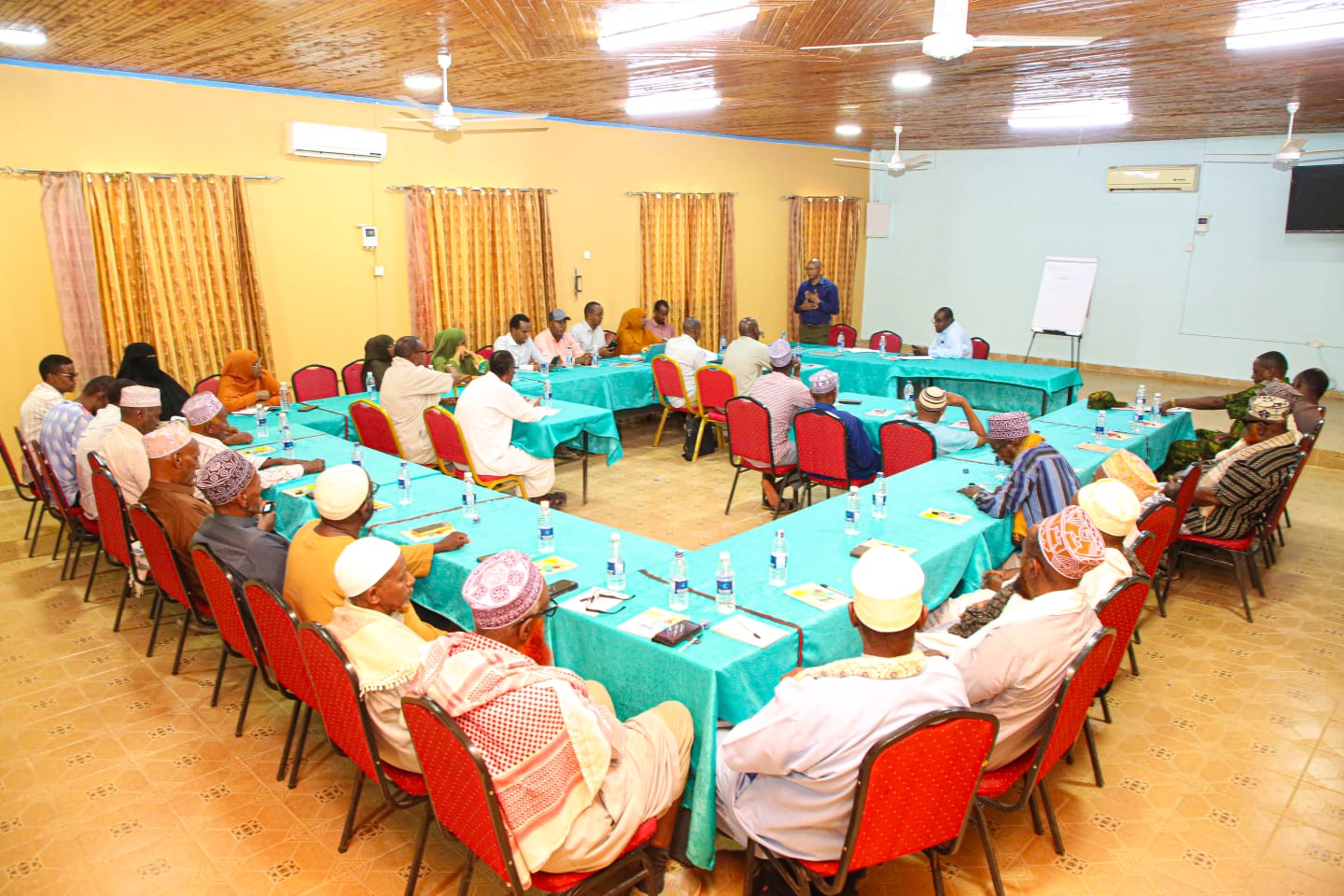
The decision came after a two-day forum organized by the Italian-based VolontariA Association in collaboration with DAWN and the Wajir County Government’s Department of Peace Building and Cohesion.
Peace stakeholders including community elders, religious leaders, women and youth representatives, civil society organisations, security agencies, county officials, and development partners converged to find solutions for the rising cases of SGBV.
“The objective of the meeting today is to address gender-based violence and the use of the Maslaha system. We need to find a lasting solution so that victims can get justice,” said Wajir County Director of Peace Building, Mr. Adan Abdi Ahmed.
SGBV has long been a concern in Wajir, where patriarchal norms dominate. Under the traditional Maslaha system, cases involving rape and defilement are often settled privately, prioritising family honour over the rights of victims.
Stakeholders at the forum declared that the system is no longer acceptable in cases of abuse against women and girls.
“There are so many cases in the county, and this destroys our dignity as a county. These issues are dragging us down. So we are here in this forum to unite on how to address these issues once and for all,” added Mr. Ahmed.
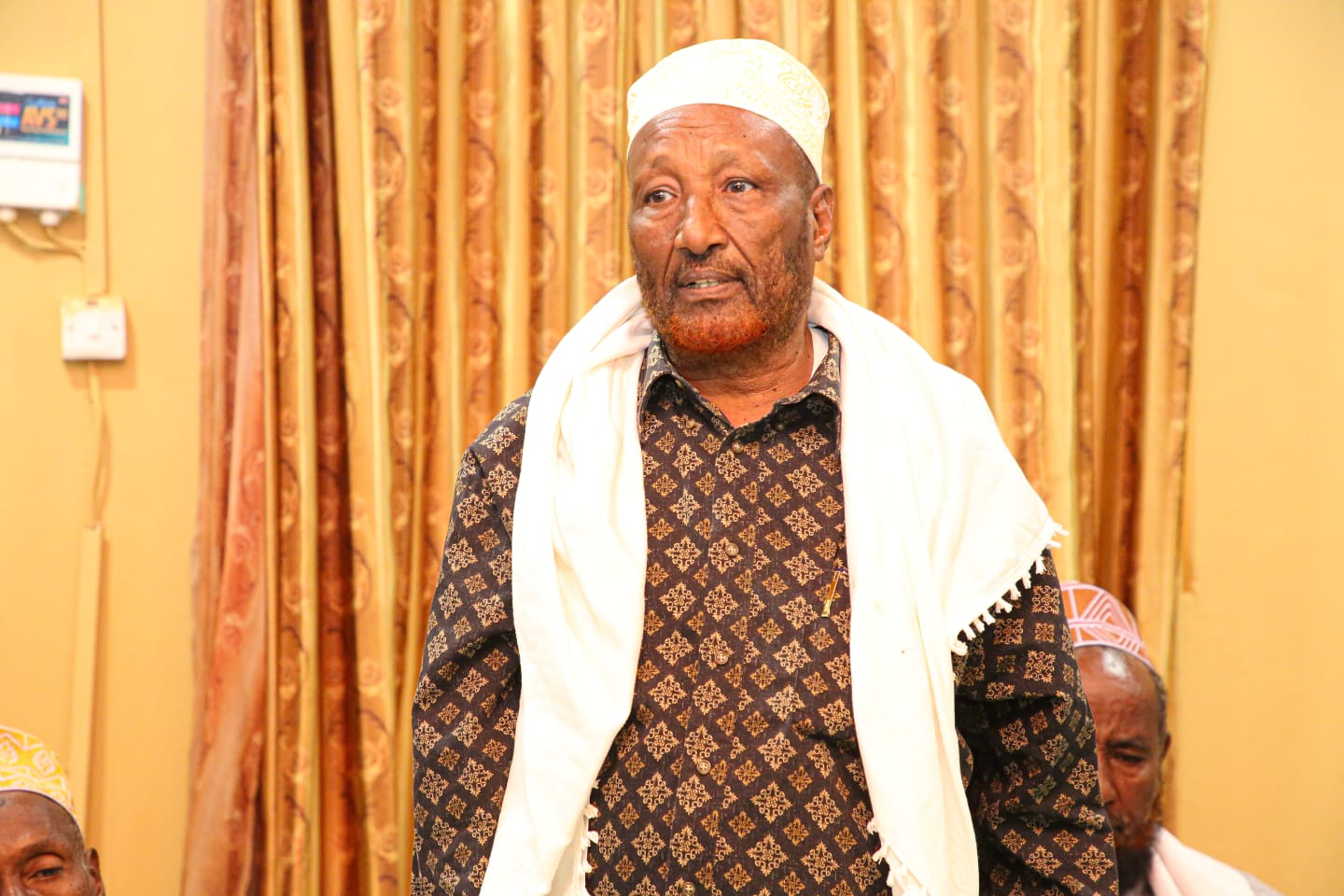
Retired Chief Abdishakur, speaking as an elder from Wajir, urged a shift from traditional arbitration to formal justice.
“This is a very important discussion. It is not our first time addressing this issue. Let us agree here today that we leave the work to the police and the courts, they should do their work,” he said.
Ms. Fatuma Yussuf, Chairperson of the Wajir County Civil Society Consortium, highlighted the dangers of clan influence in SGBV cases.
“We always see clan members coming to defend victims because they are from their clan. Cases of rape are increasing, and the situation in Wajir is getting out of hand. If we could have one voice on these issues, we can address the problem. Let us agree that we do not involve clan and community in handling these cases,” she said.
Peace Elder Sheikh Noor called for public awareness alongside the resolutions.
“We can reach an agreement, but we also need to ensure the resolutions we reach here are taken to the public so that the community is aware. We need to protect our girls and boys. Let us unite on this matter,” he said.
Sheikh Hassan Ahmed Hussein, Deputy Vice Chairman of SUPKEM Wajir Branch, stressed religious guidance should not shield offenders.
“We always talk about rape all the time. If we follow our religion, this would not have happened. If it is confirmed that a girl has been raped, elders should not intervene,” he said.
Resolution
After two days of deliberations, stakeholders announced a seven-point resolution that all SGBV cases must be reported, investigated, and prosecuted exclusively through the formal criminal justice system. Alternative Dispute Resolution (ADR) methods are no longer acceptable for such cases.
“Community and religious leaders shall refrain from facilitating ADR in SGBV cases and instead support lawful reporting,” read part of the resolution.
The agreement also called for peace committees to remove SGBV cases from their mediation mandates, serving only as referral points to formal justice channels.
County and national institutions have been urged to strengthen coordination to ensure timely justice while monitoring mechanisms will be established to ensure compliance.
The resolution marks a significant shift in Wajir’s approach to gender-based violence. By formally banning traditional arbitration in SGBV cases, the county aims to prioritise victims’ rights and deliver justice through Kenya’s criminal justice system.
“Effective intervention against Sexual and Gender-Based Violence in Wajir demands justice through the courts, survivor-centered support, and collective responsibility where culture, leadership, and law stand united to protect dignity, uphold rights, and end impunity.” Says Mr. Abdi Billow, a veteran peace champion
For decades, the Maslaha system allowed perpetrators to evade punishment while preserving family or clan honour, often leaving survivors without recourse. Stakeholders at the forum stressed that ending this practice is critical for protecting women and girls and restoring public confidence in the rule of law.
The forum concluded with a commitment from all stakeholders to champion the implementation of the resolution and to raise awareness throughout the county.


