

By Staff Writer | Wajir Today | Sunday, 2 November 2025
Wajir County has ranked among Kenya’s least competitive counties in the inaugural County Competitiveness Index (CCI) 2024, released by the Ministry of Investments, Trade and Industry in partnership with TradeMark Africa and funded by the European Union.
The report paints a grim picture for northern Kenya, placing Wajir, Tana River, and Garissa at the bottom of the competitiveness scale, counties still grappling with poor infrastructure, limited human capital, and weak governance systems.
“Counties such as Wajir, Tana River, and Garissa face significant challenges in infrastructure, human capital, and governance, hindering their competitiveness” the report states.
With an overall CCI score of just 13 percent, Wajir was categorised in the third and lowest tier of competitiveness, a grouping for counties with limited economic activity and underdeveloped infrastructure.
The report noted that while some counties have leveraged strong institutions and human capital to drive progress, others remain trapped in cycles of underdevelopment.
Wajir recorded low scores in governance and institutions, human capital, and climate and environment, highlighting the immense struggle to build effective institutions and a skilled workforce.
Just like neighbuors Garissa and Mandera, Wajir’s competitiveness is held back by fragile institutions and inadequate infrastructure. The county’s limited investment capacity and service delivery constraints have contributed to its economic isolation.
According to the CCI, less competitive counties often lack the institutional strength and infrastructure needed to attract private investment or support sustainable development.
The absence of strong governance structures, coupled with unreliable public services, has kept these areas economically disconnected from the rest of the country, the report says
Climate Vulnerability
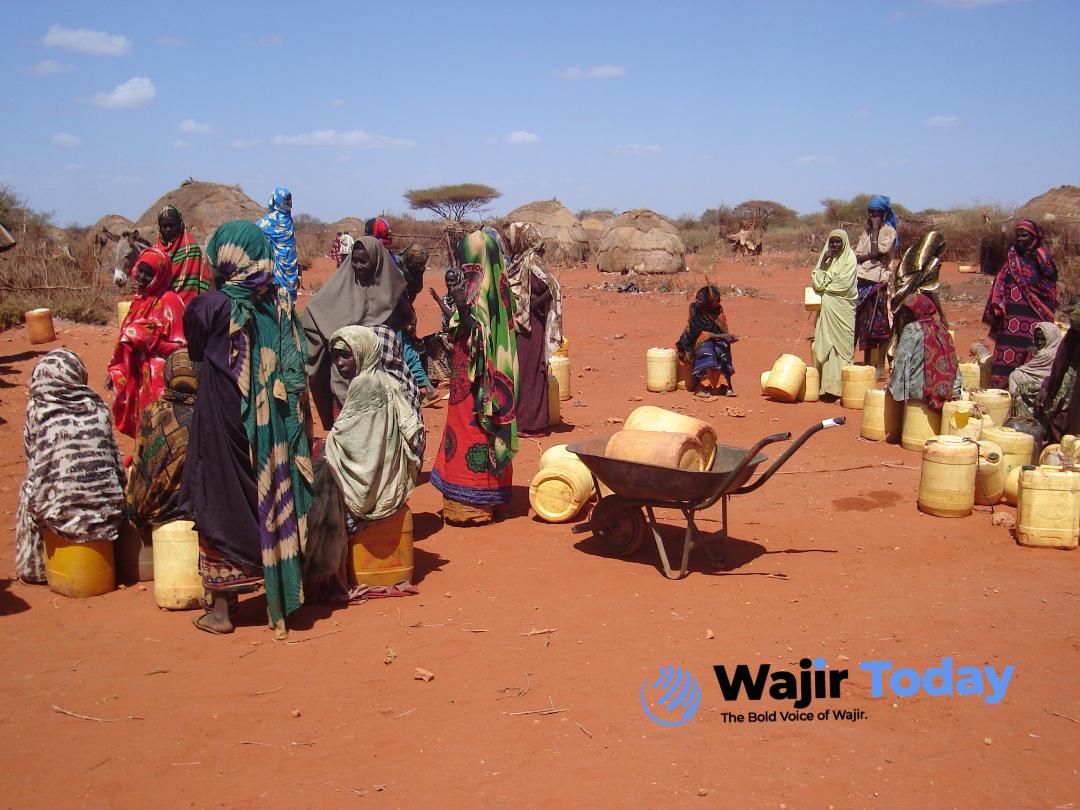
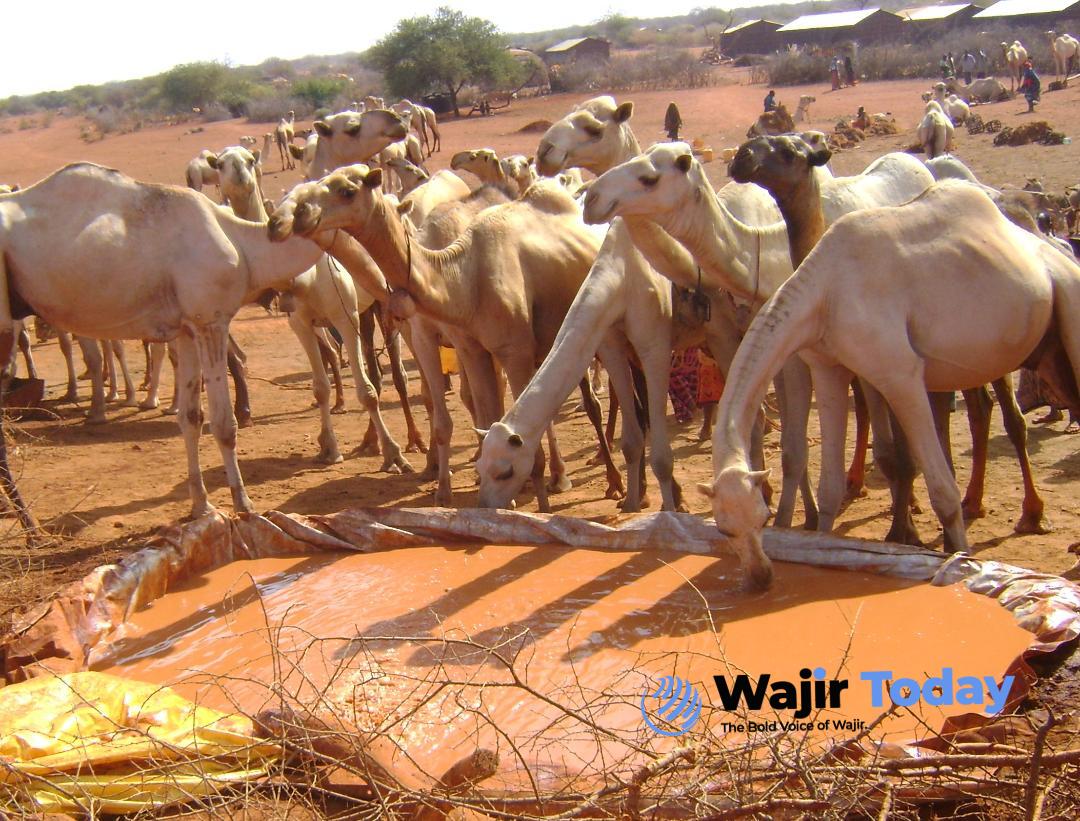
The report also raises alarm over climate vulnerability in northern Kenya. Wajir, along with Mandera and Marsabit, faces heightened risks from drought, water scarcity, and land degradation.
“There is an urgent need for climate-resilient technologies and water management systems to mitigate the effects of climate change and support long-term sustainability,” the report urges.
The CCI calls on national and county governments to prioritise climate adaptation, warning that without serious investment in resilience and environmental management, development gains in the region could remain fragile.
The report further offers a roadmap for struggling counties to climb the competitiveness ladder. For counties like Wajir and Tana River, the CCI recommends governance reforms aimed at improving public service delivery and promoting transparency.
It also calls for capacity-building initiatives to strengthen local administrations through targeted training and development programmes. “Such efforts,” the report suggests, “could enable these counties to deliver services more effectively and foster a more business-friendly environment.”
Improved governance, transparency, and accountability, it notes, would attract new investments and stimulate local economic activity.
Another major recommendation is investment in basic infrastructure, particularly in water, education, and healthcare. The report emphasises that these sectors form the foundation of human development and competitiveness.
“The least competitive counties should prioritise basic infrastructure investments in water, education, and healthcare to close development gaps,” the report advises.
The CCI 2024 findings have reignited debate about the impact of devolution in Northeastern counties where service delivery, infrastructural development and governance remain in limbo.


