
By Staff Writer | Wajir Today | Wednesday, 29 October 2025
“Can you allow your own 13-year-old daughter to be married?”
The question silenced the room before igniting a heated discussion during a capacity-building forum on Kenya’s obligations in addressing Gender-Based Violence (GBV), Sexual and Reproductive Health Rights (SRHR), and harmful cultural practices.
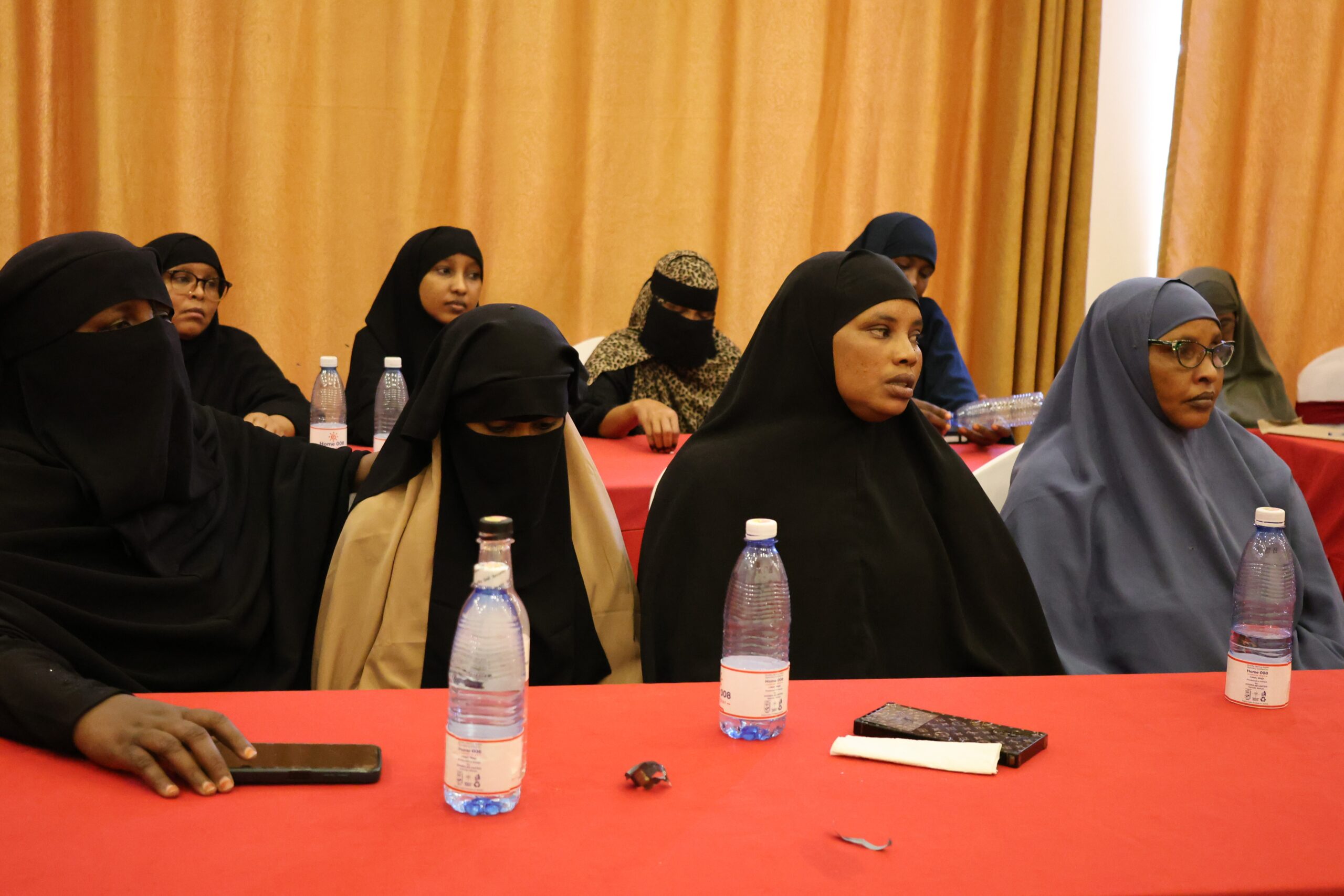
The event, held in Wajir Town by the Kenya National Commission on Human Rights (KNCHR), drew participants from across sectors, administrators, teachers, health workers, activists, and religious leaders.
For many, the question struck a deep chord, compelling them to reflect on entrenched practices that rob young girls of their childhoods.
“Okay, let me ask it again,” repeated the facilitator Mr. Ibrahim Kassim from the Commission’s Garissa office, underscoring the point that ending child marriage is a collective responsibility.
“No parent wants that,” responded Mr. Hussein Hillow, a teacher from ICF school in Wajir town. “At that age, she cannot bear that responsibility of being a mother and a wife. It will be a burden,” he said firmly.
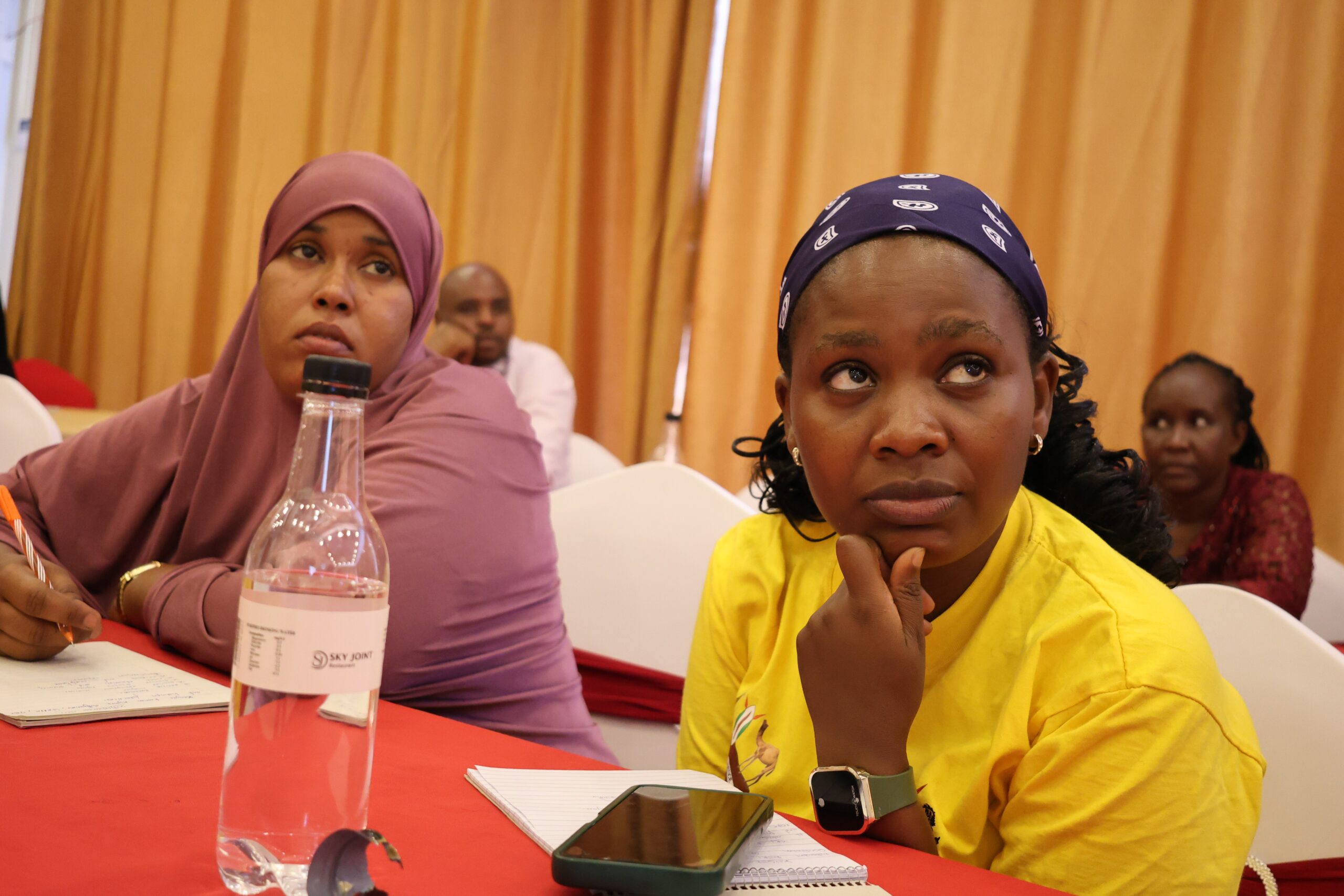
Before he could finish, two public health officers, Ms. Vane Jerusha and Ms. Amran Gedi nodded in strong agreement, their expressions echoing his conviction.
“The thing is, she should be in school at that age. Everyone should be given an equal chance in life, girls and boys alike,” Ms. Jerusha asserted.
Her colleague, Ms. Amran, added with firm resolve that the archaic practice of child marriage still found in parts of Wajir must end.
“We should stop it. We should eradicate it from the community. Young girls should be at school and learning because they are the future leaders,” Ms. Amran said
Social Barriers
Mr. Kassim reminded participants that Kenya is a signatory to several regional and international instruments designed to protect women and girls from gender-based violence, child marriage, and other harmful practices.
“We are here to strengthen prevention and eradication efforts, including advancing community awareness campaigns to challenge harmful cultural norms and practices,” he said. “Child marriage is illegal in Kenya.”
Despite these laws, Wajir remains one of the hotspots for harmful cultural practices in the Horn of Africa. Early marriages are still in practice, driven by poverty, limited access to education, and the low socio-economic value placed on girls.
“People living in rural areas do not have adequate awareness about the dangers of the practice. Many are not educated, and they require a lot of awareness,” noted Ms. Amran.
Child marriage, female genital mutilation (FGM), and sexual violence strip children of their rights and opportunities, leaving lasting scars on their health, education, and dignity.
The forum also debated about how to eradicate FGM, a practice that remains widespread in Wajir and across the Northeastern region. FGM refuses to go away and continues to affect young girls in the predominantly conservative community.
“FGM continues due to deep-rooted cultural beliefs, religious misinterpretations, and social pressure,” said Ms. Fatuma Yussuf Abdullahi, Chairperson of the Wajir County Civil Society Consortium.
In a similar recent forum Ms. Ubah Adan, Director of Gender and Social Services in Wajir, warned that the prevalence of FGM in the county remains alarmingly high.
“Female Genital Mutilation (FGM) remains a significant challenge in Wajir which has one of the highest FGM prevalence rates in Kenya, at approximately 97.2%” she said.
Invigorated campaign
A new wave of invigorated campaigns now seeks to challenge and eradicate these harmful traditions once and for all. KNCHR mobilises community leaders, activists, and religious scholars to lead change from within.
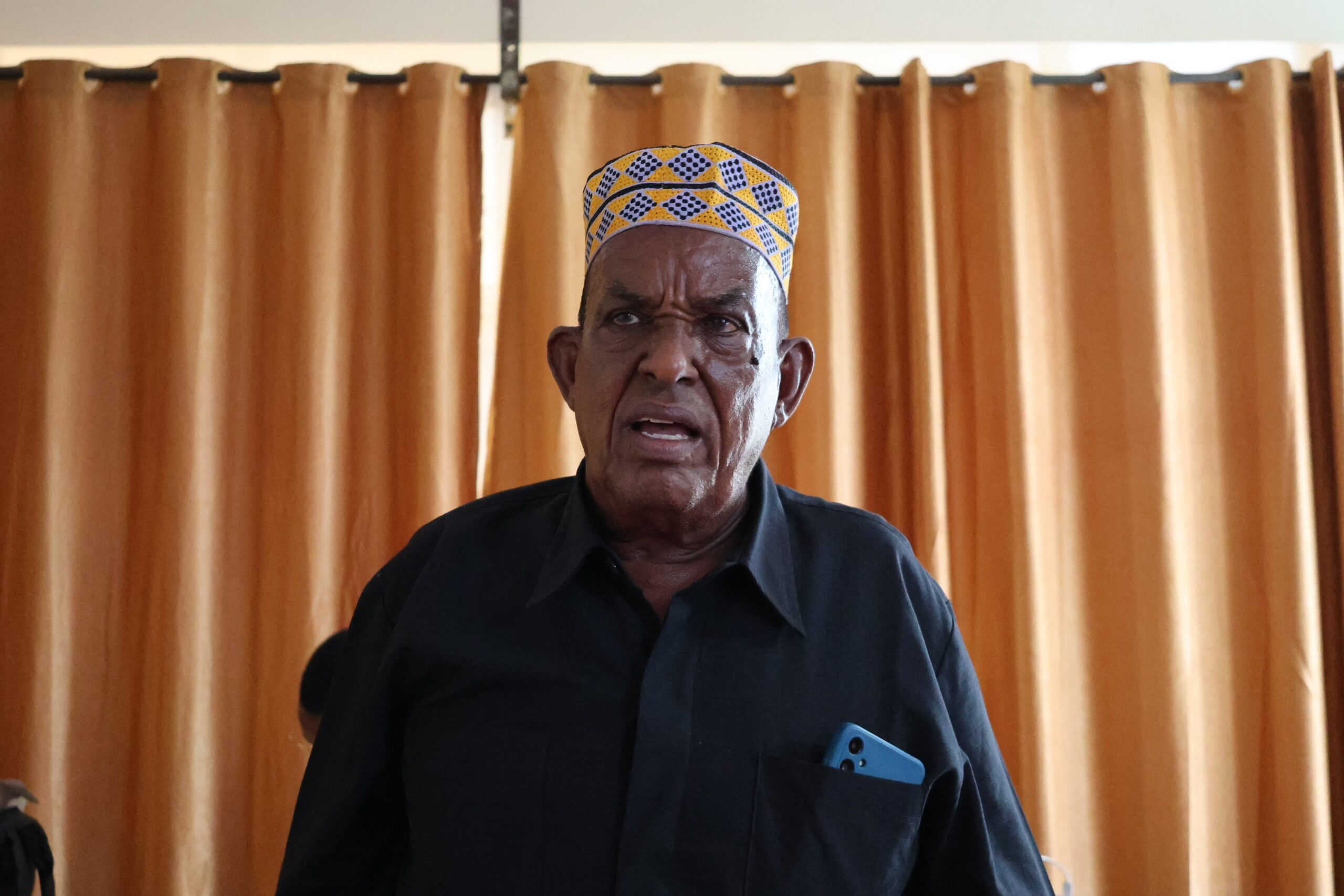
Former Wajir Town Chief, Mr. Mohamed Noor, believes that religious leaders hold the key to dismantling these harmful beliefs. He emphasised that engaging Islamic scholars can transform community perceptions about FGM and other harmful practices.
“We need to engage the religious leaders in the fight against harmful cultural practices like FGM,” he said during the forum, urging the Commission and civil society to work closely with clerics.
Many participants agreed that involving imams and madrassa teachers could help correct misconceptions that falsely justify these practices as religious obligations.
Beyond child marriage and FGM, the forum also tackled the issue of gender-based violence (GBV), a persistent problem in Wajir and other pastoralist communities.
Participants linked its prevalence to the traditional justice system known as Maslaha, where elders often mediate cases rather than allowing formal legal processes.
While the system is intended to promote reconciliation, it often results in lenient judgments or small fines for perpetrators, effectively denying survivors justice.
“The problem is the Maslaha system and everybody knows that. We need to abolish that system so that we can deal with the problem of GBV,” said Ms. Safi Abdullahi, a local human rights activist.
Her words resonated with many in the room who acknowledged that impunity and cultural taboos perpetuate silence around GBV. Survivors rarely report cases, fearing stigma, family shame, or community backlash.
Participants emphasised that sustainable change can only come through community empowerment. They say laws alone cannot end harmful practices unless communities understand their dangers and embrace new ways of thinking.
“We must continue sensitising communities, empowering girls, and supporting parents to make informed choices.” Ms. Abdullahi proposes
The Commission pledged to strengthen partnerships with local organisations, national and county officials, religious and community leaders to expand advocacy and support networks across Wajir.