

By Staff Writer | Wajir Today | Thursday, October 2, 2025
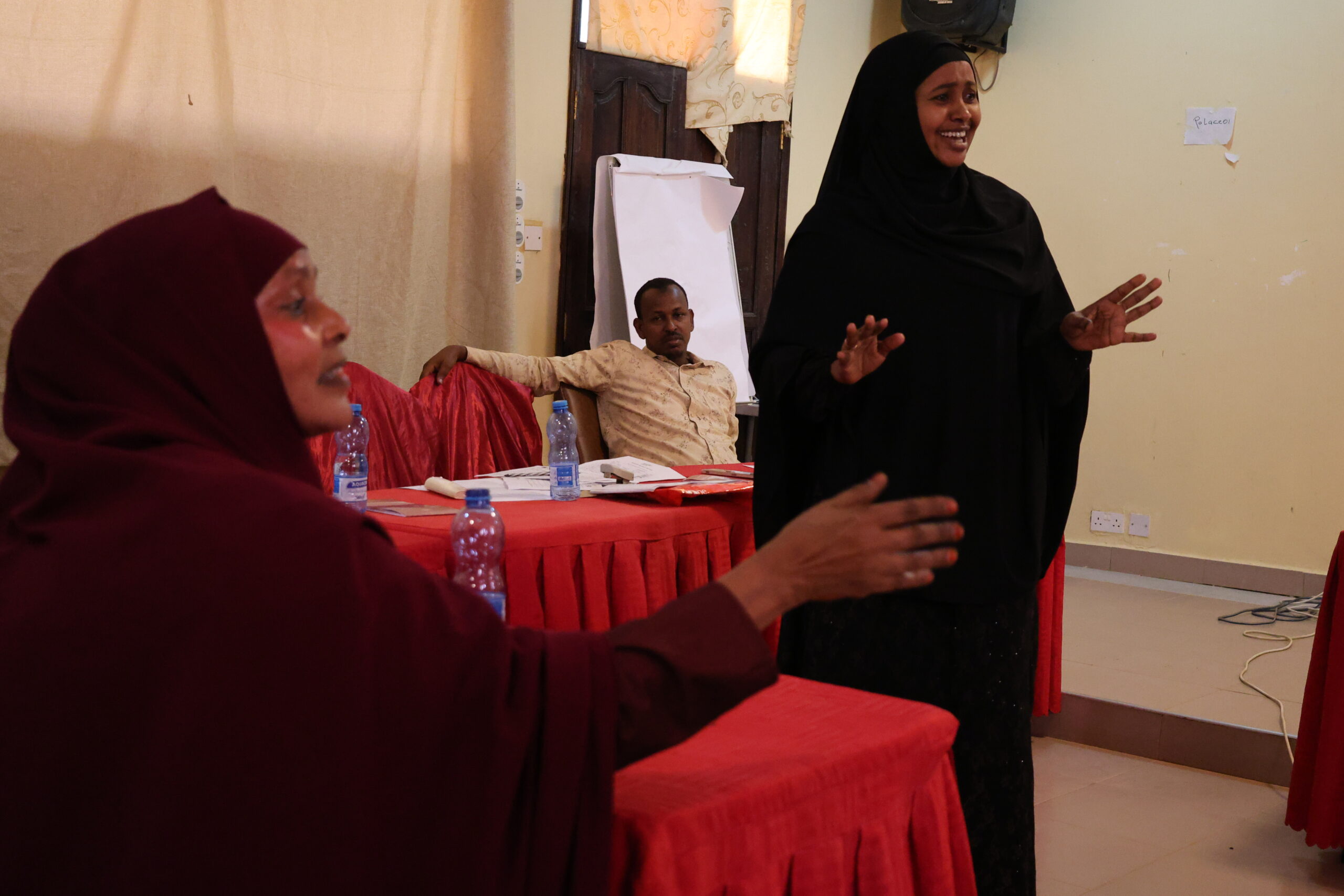
The Kenyan National Commission on Human Rights (KNCHR) on Wednesday convened a meeting in Wajir aimed at identifying training needs for local stakeholders in the fight against harmful cultural practices such as Female Genital Mutilation (FGM), Gender-Based Violence (GBV), and child marriage.
The session brought together representatives from the Wajir County Government, civil society organisations, religious leaders, and members of the community. The goal was to assess gaps in capacity and develop culturally sensitive strategies to address practices that continue to endanger the health and rights of women and girls.
Discussions at the meeting centred on the entrenched drivers of these practices. Stakeholders noted that patriarchal structures and cultural norms often fuel FGM, GBV, and child marriage.
The meeting further highlighted how traditional and religious leaders play a critical role either by perpetuating harmful practices through misinterpretations or silence, or by actively supporting campaigns to abandon them.
Stakeholder collaborations

For Wajir County, where FGM prevalence is among the highest in Kenya, the challenge remains acute. Ms. Fatuma Yussuf Abdullahi, Chairperson of the Wajir County Civil Society Consortium, described the situation as deeply troubling.
“FGM remains a significant challenge in Wajir County. Despite laws and ongoing awareness campaigns, the practice continues due to deep-rooted cultural beliefs, religious misinterpretations, and social pressure,” she said.
She explained that the most prevalent form in the county is Type III, also known as infibulation. “This is the most severe form and is associated with serious health complications including childbirth difficulties, infections, and long-term physical and psychological harm.”
Her appeal to the community was both urgent and heartfelt. “My message to the community is that FGM is not a religious obligation but a harmful cultural practice that endangers the health, rights, and dignity of our girls. Protecting our daughters from FGM means giving them a future free of pain, trauma, and unnecessary health risks,” Ms. Abdullahi stressed.
She further urged stronger collaboration among stakeholders: “To religious leaders, elders, women groups, youth, and government authorities—I urge stronger collaboration in creating awareness, enforcing the law. Together, we must invest in education, empower girls, and support families who abandon the practice so that Wajir becomes a county where every girl grows up safe, healthy, and with her rights fully protected.”
FGM prevalence
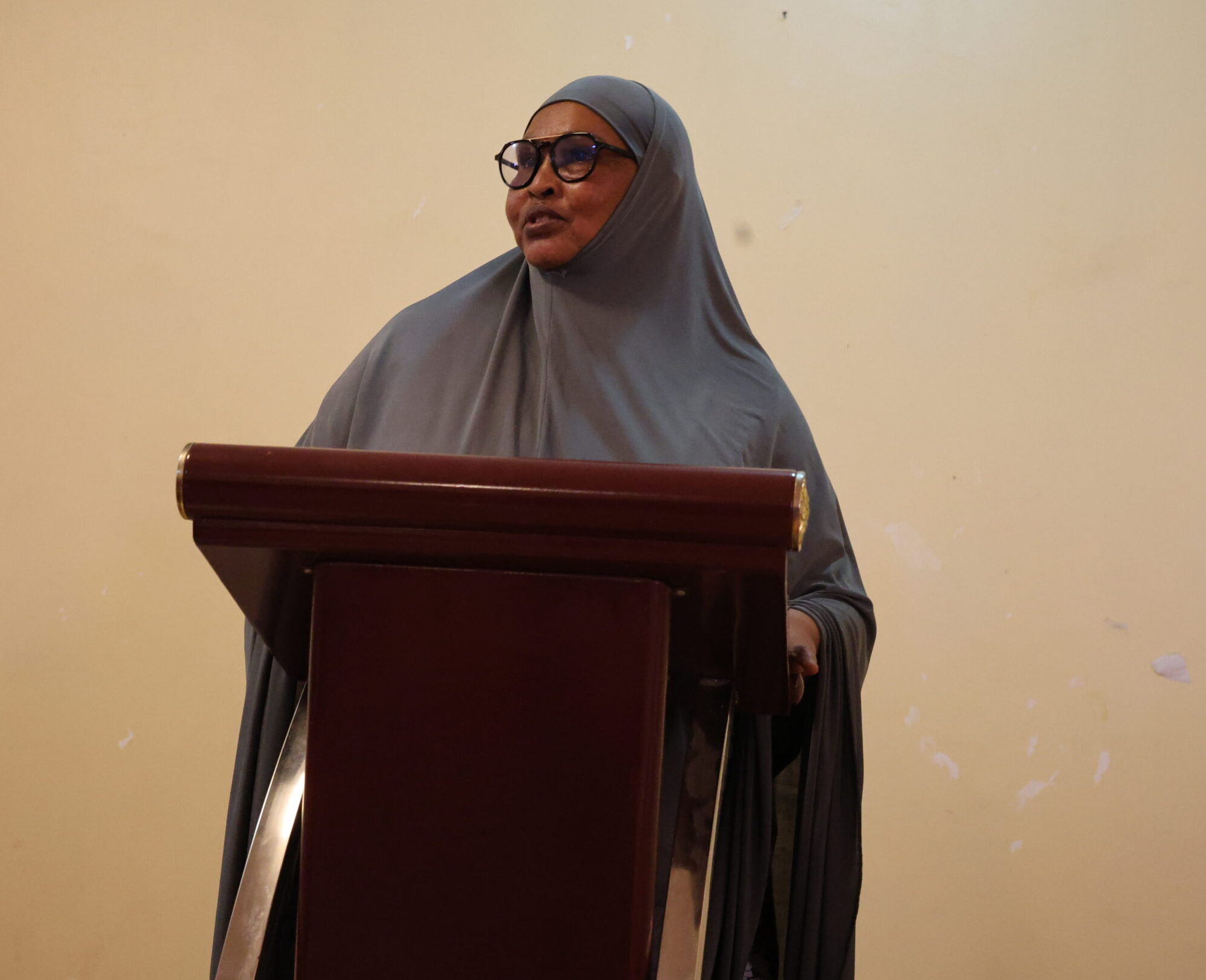
Ms. Ubah Adan, Director of Gender and Social Services in Wajir, echoed these concerns, warning that the prevalence of FGM in the county remains alarmingly high.
“Female Genital Mutilation (FGM) remains a significant challenge in Wajir which has one of the highest FGM prevalence rates in Kenya, at approximately 97.2%. The practice is deeply ingrained in the local culture, particularly among the Somali community,” she said.
The KNCHR assessment comes at a critical time when Kenya is grappling with persistent reports of harmful practices despite decades of advocacy and legal reforms.
Wednesday’s meeting underscored that eliminating FGM, GBV, and child marriage will require more than punitive measures. It will demand shifting mindsets, empowering communities, and ensuring girls are given opportunities to thrive.


