


By Staff Writer | Wajir Today | Tuesday, 30 September 2025
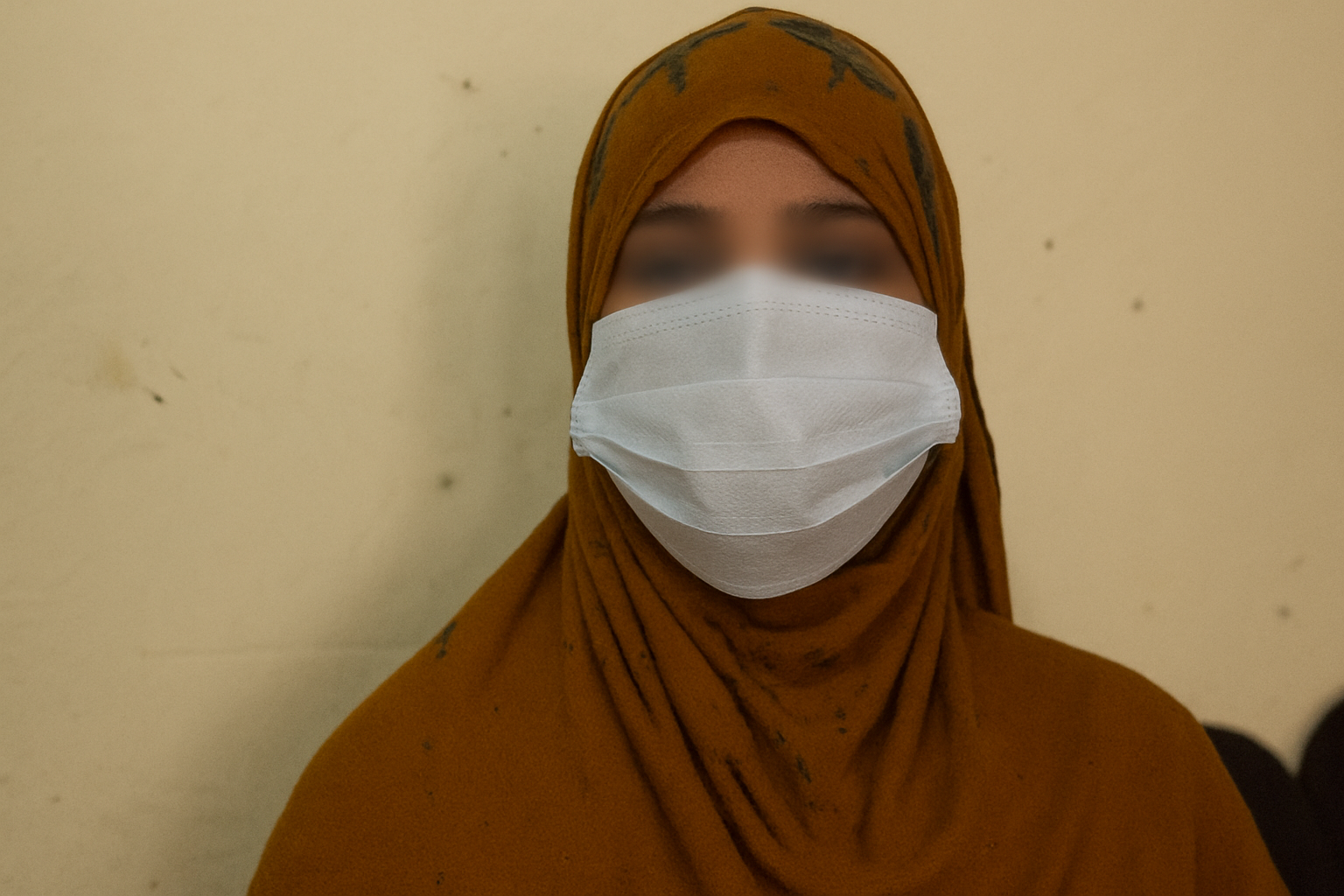
At just 23, Halima Kalsoon (not her real name) carries the weight of a life far older than her years. In a quiet neighbourhood on the periphery of Wajir town, she wakes each morning to the cries of her two young children, a boy and a girl. Her days begin not with the luxury of planning but with the urgency of survival.
Since her divorce three years ago, their father has been absent from their lives, leaving Kalsoon to shoulder the burden of parenthood alone. With no steady income and no support from her former husband or his family, she feels trapped in a struggle that seems endless.
“I do not work and I don’t have consistent livelihood. I do not have the ability to raise kids alone. I had a sick boy and no one ever took care of him. The child he left when I was pregnant is now three years,” she says quietly, her words laced with both pain and resilience.
Kalsoon’s story begins at 19 when she married after dropping out of school in Form Two. She hoped for stability and companionship, but two and a half years later, she was divorced and thrust into a life of hardship.
Today, she earns her bills in dribs and drabs working in a salon in town. Unlike many of her peers, her youth has been consumed by the relentless demands of parenthood.
“I am relying on myself and my parents. No support completely. The man can be bad but what about his family? If they were good people, they would have supported, not me, but the kids,” she says, her voice rising with frustration.
Even the legal dowry she was promised remains unpaid. “I was not even given my dowry of one camel until today. Even that would have helped me. I decided to remain silent. Now I have to do all that I can to support the kids because I do not want to burden my poor parents.”
Her past is marred not only by neglect but also by domestic violence. Yet, she refuses to pursue court action over dowry or child maintenance. “I just want to move on,” she whispers, though the burden is etched across her face.
The Story Repeats
Kalsoon’s case is not unique. Hamdi (not her real name), another single mother, lives a similar reality. She was divorced and left to fend for her daughter, now eight years old.
“My daughter is now 8 years old. I am the one who currently pays for her bills. I try to call him once in a while, sometimes I get and sometimes I don’t get support. Many times, I don’t ask for support,” Hamdi explains.
The stories of Kalsoon and Hamdi echo across Wajir, where single mothers often find themselves abandoned. Women rights campaigners say the problem is deepening, leaving both women and children vulnerable to cycles of poverty, neglect, and trauma.
Women Rights Advocacy Initiative (WORAI), based in Wajir, has been at the forefront of championing the rights of women and children. Farhia Sheikh Dahir, WORAI’s Programme Officer, highlights the painful truth.
“It is difficult to get child maintenance because of animosity. If you are angry at your former wife, you are also angry at your children. That is a notion most Somali men have. If you leave her, you also leave her with her baggage.”
The Children’s Office in Wajir has seen a surge in such cases. Mr. Jilo Roba, the Wajir County Coordinator for Children Services, confirms the crisis.
“Children maintenance neglect is among the caseloads we handle in our offices. Last year we handled 3,000 cases and 60 percent were about neglect. So, it is an issue that we treat with a lot of seriousness and a lot of concern,” he says.
Neglect, he adds, is not just a moral failure but a legal offence. “Neglect under the Children’s Act is an offence. Children are the future of our society and if we don’t protect our children, it is like we have forfeited our future.”
Seeking Support
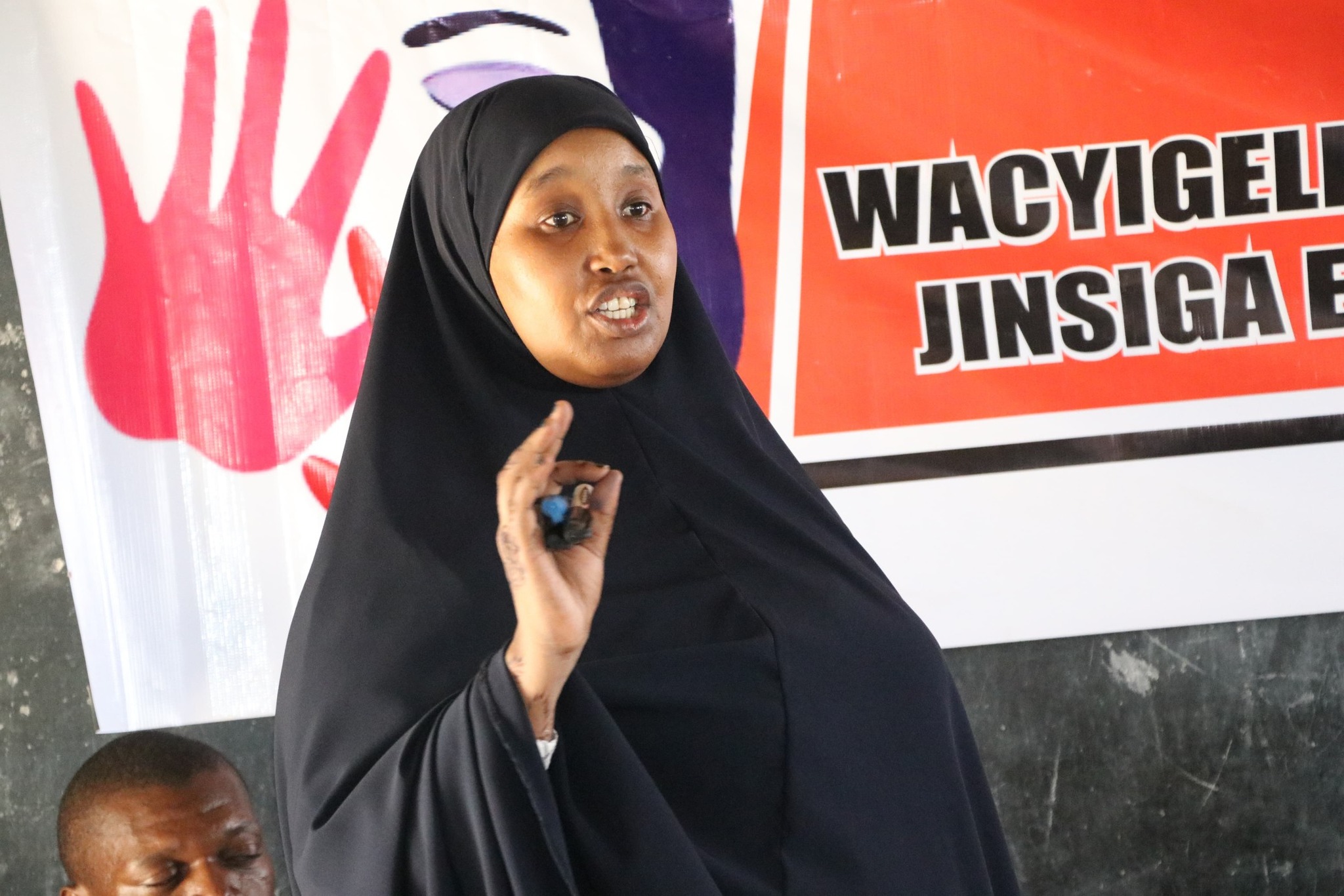
Organisations like WORAI continue to urge women to speak out and seek help. “They can liaise with the Children’s Department officers, present their case. There is also the Kenya National Human Rights Commission where they can file a case. They can come and visit us at WORAI where we can also link them to service providers,” says Farhia.
But cultural and social barriers keep many women from pursuing legal channels. Divorce carries stigma. Courts feel distant. The shame of publicising private struggles silences many women, trapping them in cycles of quiet suffering.
Farhia believes the problem goes deeper than neglect. It is cultural, generational, and systemic.
“It is a fact that people do not have proper Islamic knowledge that once you give birth to this child, he is a responsibility to you. There is also the culture and carelessness that nobody begs on them any responsibility. Men are usually put on a higher pedestal and they can get away with so much unlike women,” she explains.
She links the neglect to cycles of trauma. “A man who was abandoned by his father may not feel obliged to take care of his own. It is like I grew up without a father in a chaotic home, so I don’t care. That’s how many men rationalise their neglect.”
Farhia calls on religious leaders to play their role in shaping attitudes. “I would like to encourage religious leaders to make it a priority to talk about this issue in our community. For example, in Friday sermons, they should remind men that neglecting their duties will have consequences not only here on earth but on the Day of Judgement.”
Community Interventions
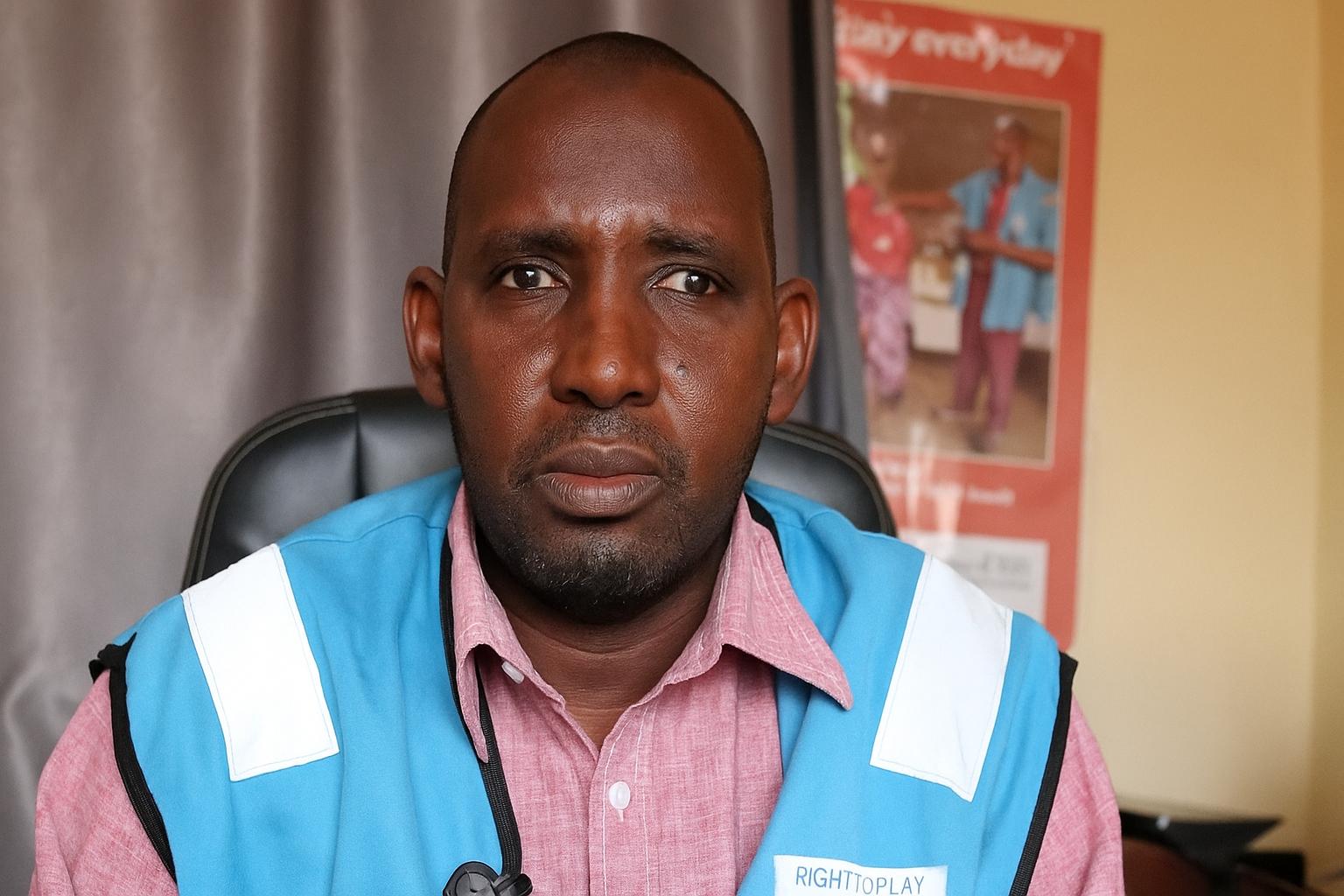
The County Children’s Office has also intensified its community outreach. “We are doing awareness through radio stations and through community barazas. We are organising public barazas as part of efforts to ensure the community takes keen interest in protecting children,” says Mr. Roba.
These efforts, though vital, often fall short of addressing the financial hardships single mothers face. Farhia stresses the importance of economic empowerment: “I encourage our partners within Wajir County to do a lot of economic resilience programmes for these single mothers so that they can be able to support their children.”
She also calls for long-term solutions through education. “In the curriculum, children should be taught about values of good families, so that we can have responsible men.”
The Religious Standpoint
Religious leaders, too, recognise the gravity of the issue. Sheikh Ahmed Abdi, a local scholar, underlines the Islamic perspective.
“There are several men who normally neglect the rights of their children after they divorce their women. Islamically that one is prohibited, but we urge all of them to be wise enough to think of their children and do the necessary after the divorce happens. If they have divorced the wife, the rights of their children are still there, so I will urge all of them to provide what they can to the women and their children.”
Behind the statistics, campaigns, and policies are the children, the silent victims of neglect. For Kalsoon’s three-year-old boy and Hamdi’s eight-year-old daughter, childhood is already a battleground of absence and longing.
Child psychologists warn that neglect and lack of paternal involvement can have lasting impacts. Children raised without financial or emotional support often struggle with self-esteem, education, and relationships later in life.
For mothers like Kalsoon, the struggle is not only economic but emotional. Young single mothers abandoned with Children are toiling to earn a living in the most deplorable conditions while seething in pain and frustrations.
The crisis of child neglect among divorced families in Wajir is a reflection of a larger social challenge. It is about broken systems, cultural barriers, and the urgent need for collective responsibility.
From government departments to advocacy groups, from religious leaders to parents, the message is clear, children must not be left to suffer because of adult conflicts.
As Farhia from WORAI puts it, “Things are getting out of hand and we need to rescue our generation. We are going to have a fatherless generation, and that is going to affect the Somali community”
For Kalsoon, Hamdi, and thousands of other single mothers in Wajir, that future is not a distant reality, it is the battle they fight every single day.


2 Comments. Leave new
This is a true reflection of what single mothers go through, I am of the opinion that this advocacy campaign to sensitize the community, of course men, not all of them should also provide solutions with the support of religious leaders through zakat fund from the rich few, to give them( single mothers) source of income.
Thаnks for the marѵelous posting! I genuinely enjoyed reading
it, you’re a great author. Ӏ will maқe sᥙre to
bookmark your bⅼog and will eventually come back from now on. I want to encourage that you
continue your great job, have a nice morning!
Feel free to visit my page :: fintechbase