

By Staff Writer | Wajir Today | Saturday, 27 September 2025
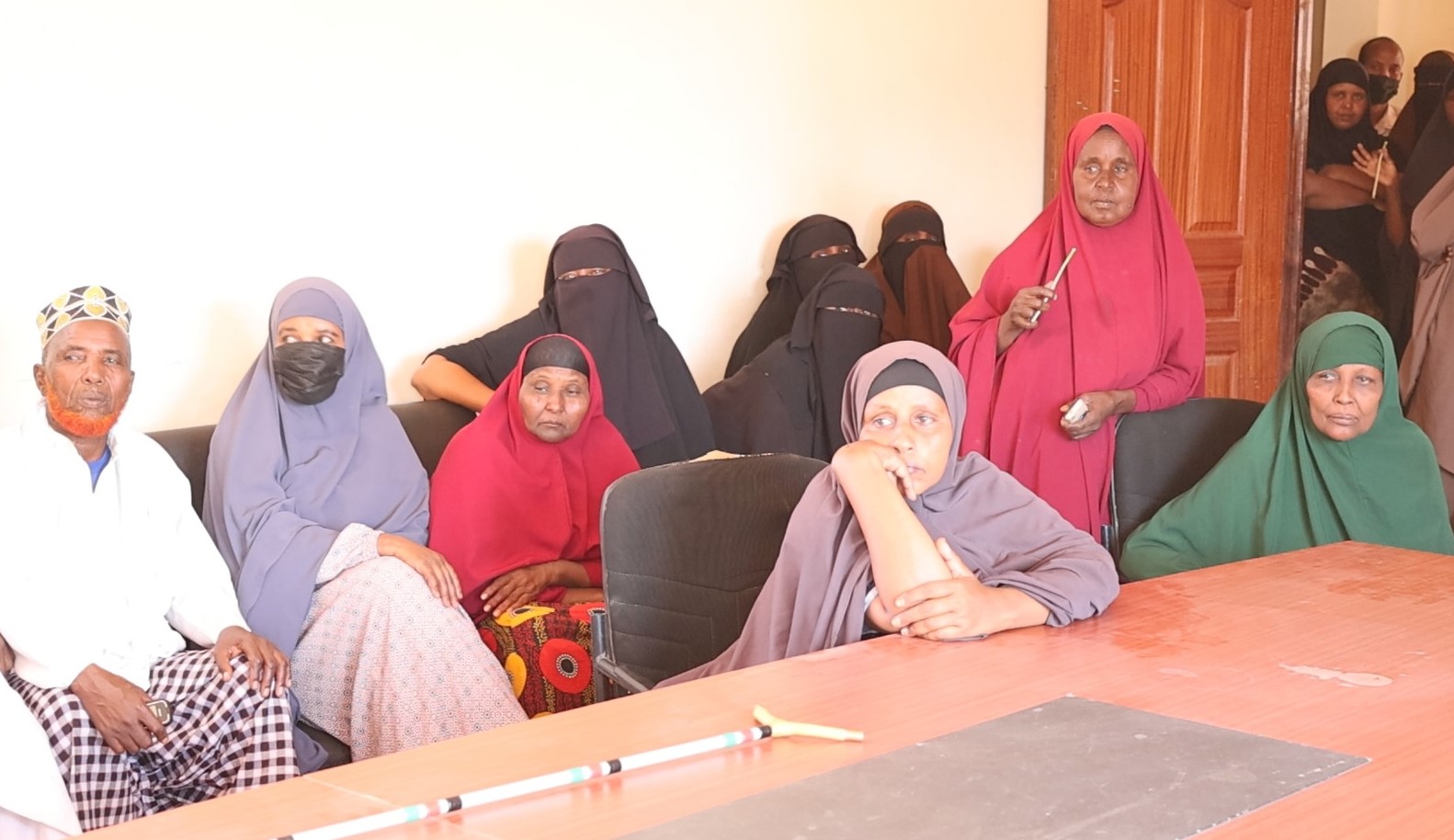
Wajir town played host on Friday to a community forum aimed at raising awareness about Kafaalah, an Islamic family-based alternative care option for vulnerable children.
The initiative, led by the office of County Coordinator for Children Services, sought to popularise the practice as a faith-based response to the growing need for family-based care for orphans and children deprived of parental protection.
Kafaalah is rooted in Islamic tradition and recognised under Kenya’s Children Act. Unlike adoption, which is discouraged in Islam, Kafaalah allows a Muslim family or individual to take in and raise a child without severing the child’s biological ties, altering their family name, or transferring inheritance rights.
It is seen both as a moral obligation and a spiritual duty to ensure that children grow up in nurturing family environments rather than in institutional care.
The Chairlady of the Kafaalah Steering Committee, Ms. Habibia Sharif, explained the principle behind the practice.
“Kafala actually means taking care of a child who is deprived of parental and family care and protection by a person professing the Islamic faith who is capable of looking after a child as part of the Children’s Act. Kafala is enshrined in the Constitution of Kenya under the Children’s Act. We have seen that children raised in institutions and those raised at home are very different. The ones who grow up in family settings are holistically developed.”
She illustrated the difference by comparing children’s upbringing at home with life in institutions. “Imagine a child you are sending to fetch sugar, onions or tea leaves. That child learns responsibility and independence. A child in an institution is just fed and clothed, but lacks that family connection and everyday guidance,” she said.
Ms. Sharif also outlined the conditions for taking in a child under Kafaalah. Prospective caregivers must be Muslims, aged 18 years or older, possess a national ID card, have a certificate of good conduct, and provide a recommendation letter from an Imam.
“You must be a person of good conduct, a person of sound mind, and capable of taking care of the child. There are many aspects looked at before a child is placed under your care. Let’s take this message of Kafala all over Kenya,” she urged.
The forum brought members of the community, with participants stressing that Kafaalah preserves a child’s dignity and identity. It ensures children grow up in loving homes, while safeguarding their rights to belong to their original families and communities.
The Wajir County Coordinator for Children Services, Mr. Jilo Roba, noted that awareness sessions were already ongoing across the county and would continue until 1st October.
“Today we converged here with the community of Wagberi location to pass messages about Kafala. It is an alternative family care option for children who are either in institutions or deprived of care by their parents. We have already done this in other locations and will continue until October,” Mr. Roba said.
He explained that Kafaalah is designed for children in varied circumstances including orphans, those abandoned or neglected, children of imprisoned parents, or children whose parents are unable to provide care due to disability or poverty. In such cases, he said, it becomes imperative for the community or a compassionate individual to take up responsibility.
Unlike adoption, he emphasised, Kafaalah does not permit changing a child’s identity. “As Muslims, we believe every child should be called after their family of origin. Under Kafala, someone who may not be related can take care of the child, but the child’s family identity is preserved,” he said.
The discussion highlighted that while children’s homes provide temporary relief, long-term institutional care deprives children of a sense of belonging, cultural roots, and essential family bonds. By contrast, Kafaalah not only upholds Islamic principles but also meets the holistic needs of children.
Community members at the forum echoed the importance of spreading awareness about the practice to ensure more children are integrated into family settings. For Wajir County, where extended family and community ties remain strong, Kafaalah was presented as a culturally relevant and religiously appropriate solution to child protection.
Friday’s gathering was more than an awareness session; it was a call to action. It urged Muslim families and individuals of good standing to consider stepping forward as caregivers and to recognise the shared responsibility of ensuring that no child is left without family love and guidance.
The initiative in Wajir reflects a broader push by child protection agencies to replace institutional care with community-based solutions. Advocates say this aligns not only with Islamic teachings but also with global best practices in child welfare.
As the campaign continues across the county, organisers hope to inspire more families to open their homes and hearts. In doing so, they believe that vulnerable children in Wajir and beyond will grow up with the dignity, security, and nurturing every child deserves.


